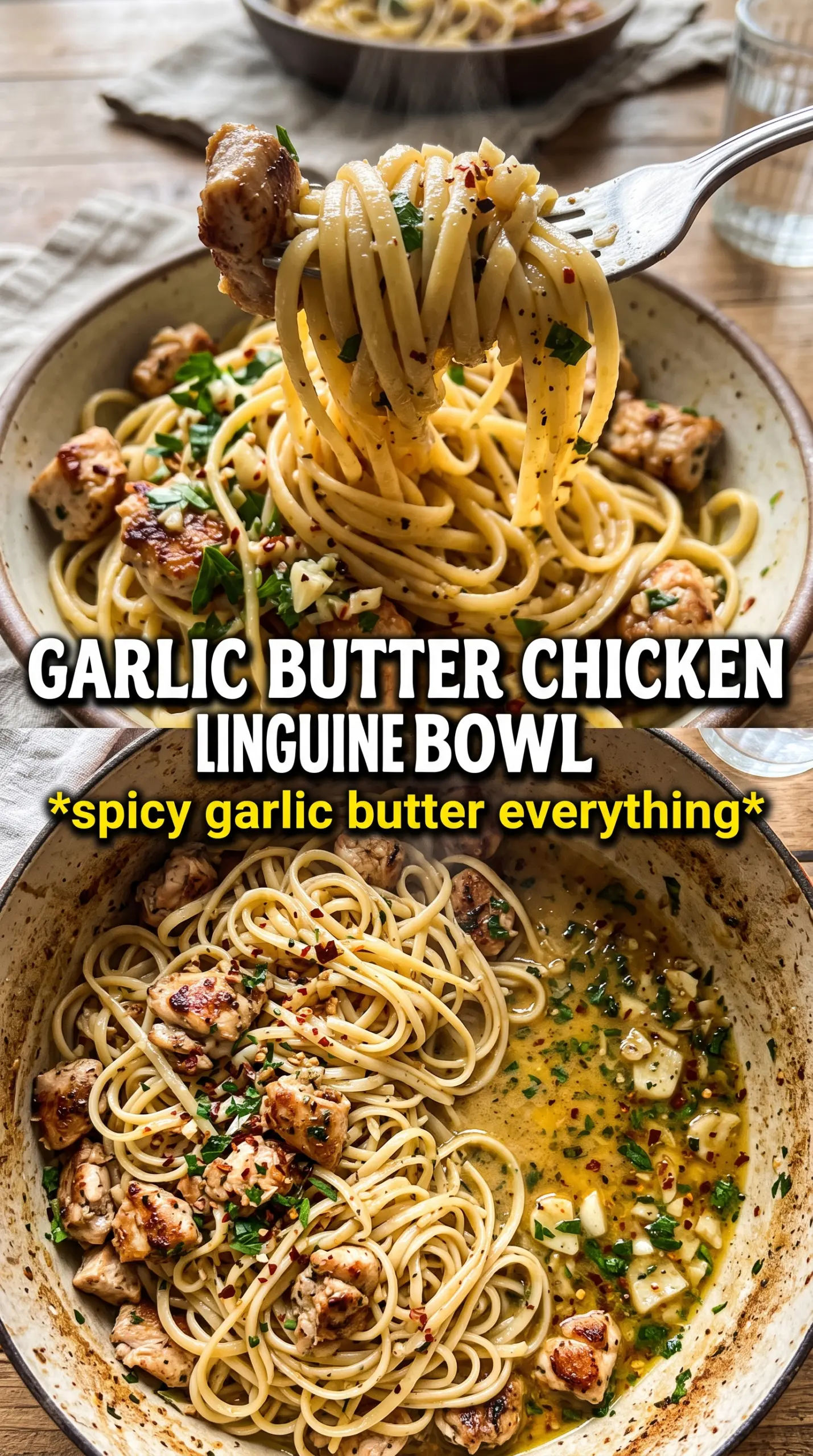
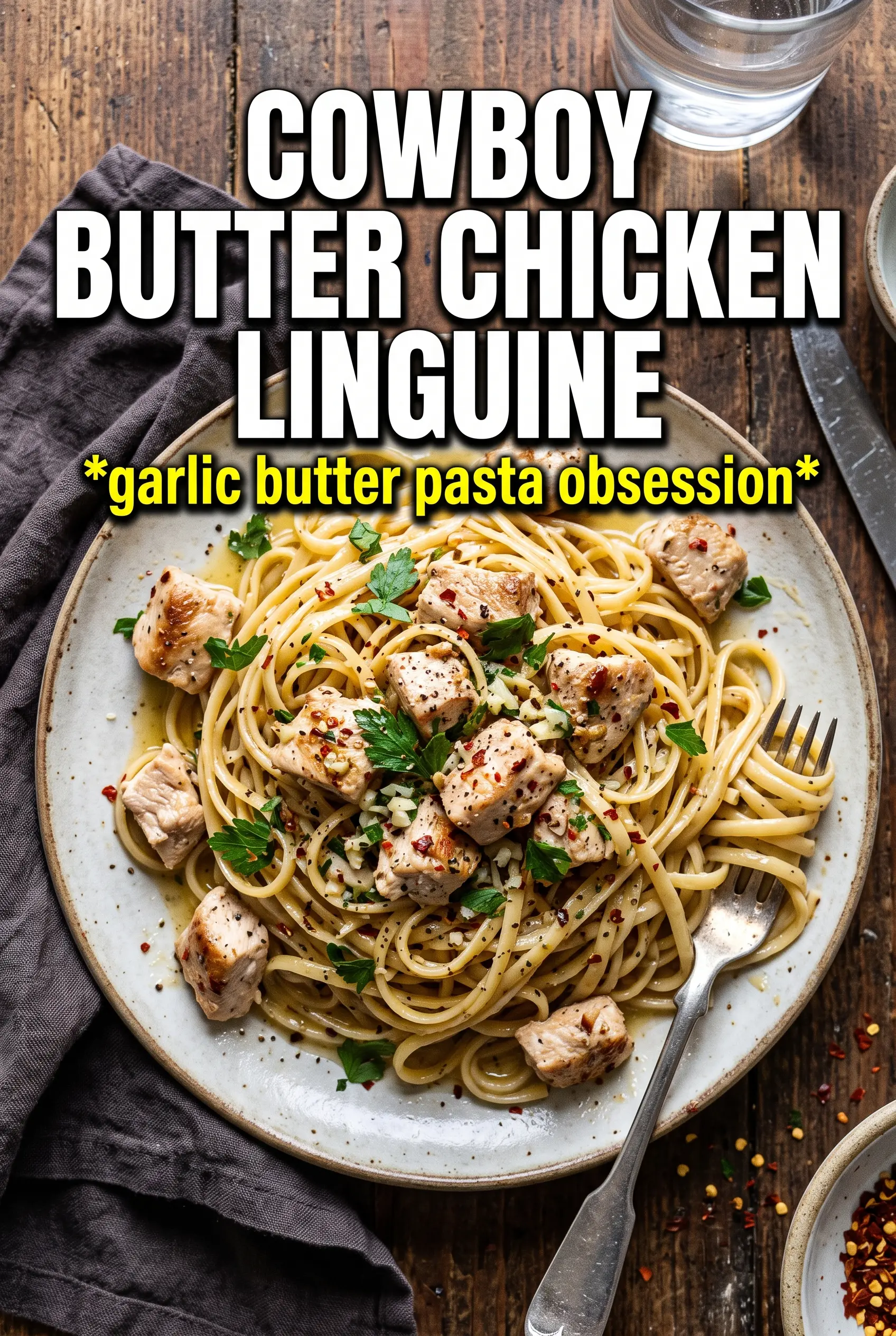
Seared chicken, glossy linguine, and a butter sauce that hits with garlic, lemon, smoked paprika, and a little heat — this is the kind of pasta that disappears fast. The sauce clings to every strand instead of pooling at the bottom of the bowl, and the chicken stays bold and savory enough to stand up to it.
What makes this version work is the way the sauce is built. The chicken gets a hard sear first, which leaves browned bits in the pan for the butter to pick up. Then the garlic, Dijon, spices, and lemon go in at the right moments so the sauce tastes layered instead of flat or greasy. A splash of pasta water gives the linguine enough starch to carry the sauce without turning it heavy.
Below, I’ll show you the small timing details that keep the butter sauce smooth, plus a few smart swaps if you want to dial the heat up, scale it down, or make the dish fit what’s already in your kitchen.
The sauce clung to the linguine beautifully and the chicken stayed juicy even with that high-heat sear. I added a little extra pasta water at the end and it turned silky instead of oily.
Save this cowboy butter chicken linguine for the nights when you want a silky, spicy pasta with a bright lemon finish and a real seared-chicken edge.
The Trick to Keeping Cowboy Butter Smooth Instead of Greasy
The biggest mistake with a butter-based pasta sauce is rushing the heat. If the skillet is too hot when the butter goes in, the spices can scorch and the sauce can taste sharp instead of rounded. Medium heat gives the garlic a chance to soften and the Dijon a chance to emulsify with the butter before the lemon juice loosens everything into a glossy sauce.
That same skillet is doing a lot of work here. The browned chicken bits left behind after searing are part of the sauce’s depth, so don’t wipe them out. When you toss the linguine in the pan with a little reserved pasta water, the starch helps the butter and lemon cling to the noodles instead of separating.
What Each Ingredient Is Actually Doing in This Bowl
- Chicken breasts — Slicing them into strips gives you more surface area, which means better browning and faster cooking. Thin, even strips also keep you from overcooking the outside before the center is done.
- Cajun seasoning — This brings the savory backbone and salt to the chicken, so the pasta doesn’t taste like butter alone. If your blend is salty, season the chicken lightly first and adjust at the end.
- Butter — Use real butter here. It’s the base of the sauce and gives you the rich, round finish that oil can’t match. If you need to lighten it up, you can cut in a tablespoon of olive oil, but the sauce won’t taste as plush.
- Dijon mustard — This is the ingredient that helps pull the sauce together. It doesn’t make the pasta taste mustardy; it helps emulsify the butter and gives the sauce a subtle tang that keeps it from feeling heavy.
- Lemon juice — Fresh lemon juice is worth it. Bottled juice tastes flatter and can make the sauce feel harsh. Add it after the spices bloom so it brightens the sauce instead of cooking off.
- Pasta water — Don’t skip reserving it. The starch is what helps the sauce coat the linguine and stay silky. Add it a splash at a time until the pasta looks glossy, not wet.
Building the Chicken and Sauce in the Right Order
Getting the Sear Before the Butter
Start with a hot skillet and a thin layer of olive oil, then spread the chicken out in a single layer. You want a deep browned edge before you turn it, not pale steamed chicken. If the pan looks crowded, cook in batches; overcrowding drops the heat and stops the sear from happening. Pull the chicken as soon as it’s cooked through, because it will finish warming later when you add it back on top.
Blooming the Spice Base
Lower the heat before the butter goes in. Once it melts, add the garlic and stir just until fragrant, then add the Dijon, smoked paprika, red pepper flakes, and cayenne. The spices should smell toasted and warm, not bitter. If the garlic starts to brown, the heat is too high and the sauce will carry that burnt edge all the way through.
Finishing the Pasta So It Grabs the Sauce
Add the lemon juice, parsley, and chives, then toss in the cooked linguine. Use a splash of pasta water if the noodles look dry or the sauce seems to sit underneath them. The finished pasta should look coated and glossy, with the sauce clinging to each strand. Add the chicken back on top right before serving so the sear stays intact and the meat doesn’t overcook in the pan.
How to Adjust This for Heat, Creaminess, or What’s in the Pantry
Make It Milder Without Losing the Cowboy Butter Character
Cut the red pepper flakes in half and leave the cayenne out completely. You’ll still get the smoky paprika, garlic, lemon, and Dijon that make the sauce taste bold, just without the sharp burn at the finish.
Swap in Chicken Thighs for a Richer Bite
Boneless skinless thighs work well and stay juicier, especially if you like a more forgiving sear. They’ll take a couple extra minutes to cook through, but the flavor is deeper and the texture stays tender even if you’re a little late pulling them from the pan.
Make It Dairy-Free
Use a good plant-based butter that melts cleanly and holds up to heat. The sauce won’t taste exactly the same, but the garlic, lemon, and spices still carry the dish. Keep the heat gentle so the substitute doesn’t split.
Use a Different Pasta Shape
Linguine gives you a nice flat surface for the sauce, but fettuccine, spaghetti, or even rotini will work. Just keep enough pasta water nearby, because shapes with more texture often need a little extra liquid to carry the butter sauce evenly.
Storage and Reheating
- Refrigerator: Store leftovers in an airtight container for up to 3 days. The pasta will absorb some sauce as it sits, so it won’t be quite as silky as it is fresh.
- Freezer: I don’t recommend freezing this dish. Butter sauces and cooked pasta both lose their best texture after thawing, and the sauce can separate.
- Reheating: Warm it gently in a skillet over low heat with a splash of water, broth, or milk to loosen the sauce. High heat is what turns the butter oily and dries out the chicken.
Answers to the Questions Worth Asking
Cowboy Butter Chicken Linguine
Ingredients
Equipment
Method
- Season the chicken strips with salt, pepper, and Cajun seasoning. Heat olive oil in a large skillet over high heat and cook the chicken for 4-5 minutes until charred and cooked through, then remove from the pan.
- Melt butter in the same skillet over medium heat. Add minced garlic and cook for 1 minute, until fragrant with a light golden color.
- Stir in Dijon mustard, smoked paprika, red pepper flakes, and cayenne pepper, then cook for 30 seconds. Keep stirring so the spices toast and turn glossy.
- Add fresh lemon juice, parsley, and chives. Toss the cooked linguine in the cowboy butter sauce and loosen with reserved pasta water as needed until every strand is evenly coated.
- Add the seared chicken strips on top of the sauced linguine and let any juices rewarm in the hot pan for a moment. Serve immediately while the sauce is still glistening.