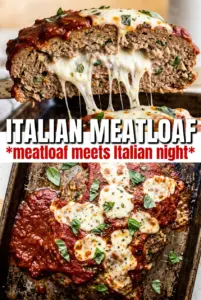
Italian meatloaf comes out tender, savory, and capped with a bubbling layer of marinara and mozzarella that turns an everyday loaf into a dinner people hover over. The parmesan melts into the meat as it bakes, the herbs stay fragrant, and the sauce on top keeps the whole thing from tasting heavy or dry. It slices cleanly after a short rest, which matters just as much as what goes into the bowl.
The trick here is restraint. The mixture needs to be combined just until the ingredients look evenly distributed, not worked into a paste, or the loaf turns dense. A little milk and enough breadcrumbs keep the texture soft, while the pork adds richness that plain beef alone usually lacks. Baking the loaf before adding the sauce gives it structure, so the marinara stays bright and the mozzarella browns instead of disappearing into the meat.
Below, I’ve included the small details that make this version reliable, plus a few swaps for when you need to work with what’s in the fridge.
The loaf held together perfectly, and adding the marinara halfway through kept the topping from sliding off. Mine came out juicy with that browned mozzarella edge I was hoping for.
Save this Italian meatloaf with marinara and mozzarella for a dinner that slices neatly, stays juicy, and tastes a little like baked lasagna.
The Reason This Loaf Stays Tender Instead of Tight
Most meatloaves go wrong because the mixture gets packed too firmly or baked until every trace of moisture is gone. This version avoids both problems by leaning on a mix of beef and pork, plus enough breadcrumb and milk to keep the crumb soft without turning it spongy. The parmesan adds salt and depth, but it also helps the loaf hold together once it cools enough to slice.
The other smart move is waiting to add the marinara and mozzarella until the loaf has already set. If the sauce goes on too early, it sinks in and muddies the surface instead of giving you that glossy, cheesy top. You want the loaf to have enough structure to support the topping, but not so much time in the oven that it dries out.
- Ground beef + ground pork — The beef gives the loaf its backbone, while the pork brings fat and tenderness. If you use all beef, pick 85/15 so the finished loaf doesn’t turn lean and crumbly.
- Italian breadcrumbs — These soak up the milk and distribute moisture through the loaf. Plain breadcrumbs work in a pinch, but you’ll want to add a little extra Italian seasoning.
- Parmesan — This isn’t just for salt. It gives the meatloaf a deeper, savory finish that plain breadcrumbs can’t fake. Freshly grated parmesan melts in better than the shelf-stable kind.
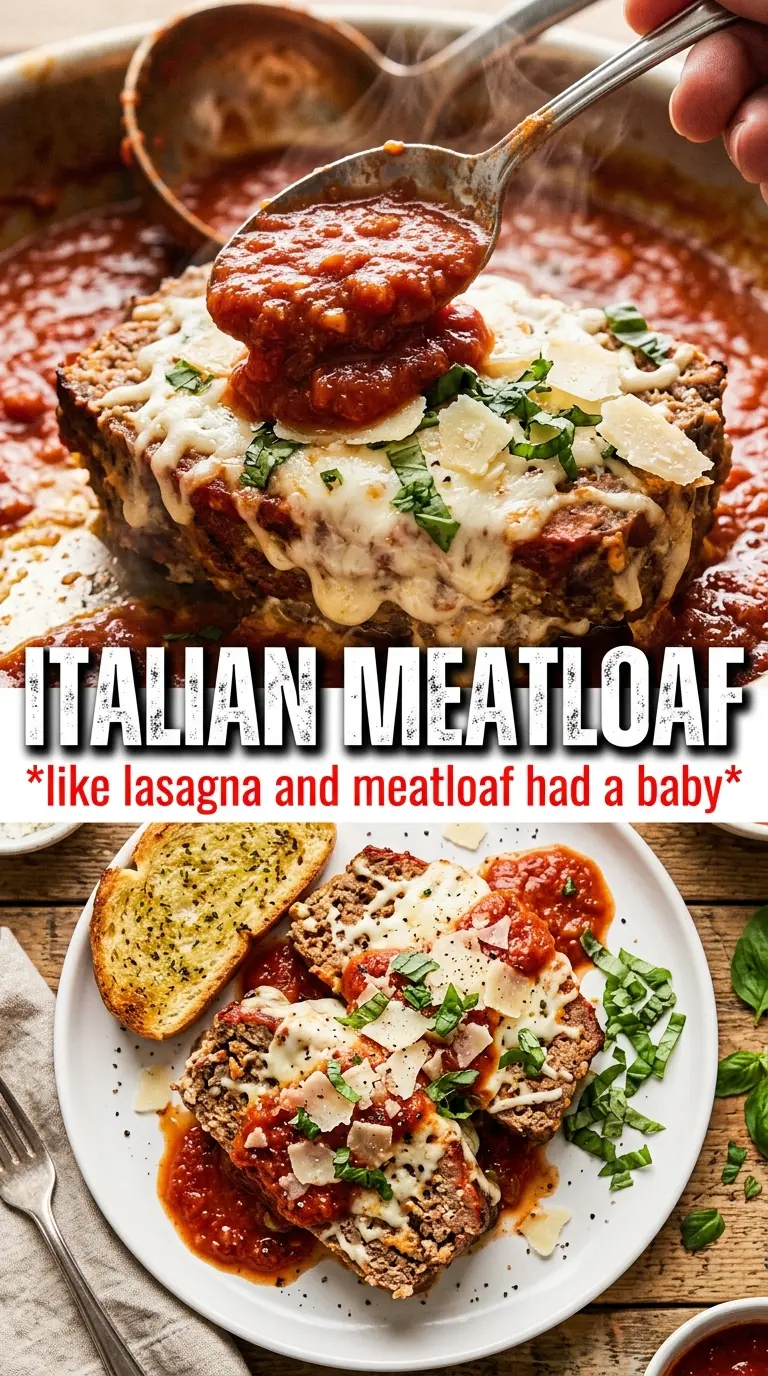
- Marinara and mozzarella — This is the part that makes the loaf feel Italian-American instead of standard diner meatloaf. Use a marinara you like to eat on its own, since the sauce stays front and center on the finished dish.
What Each Ingredient Is Actually Doing in This Recipe
- Primary ingredient (the star) — Quality matters most. Choose the best you can find.
- Cooking medium (oil, butter, or broth) — This carries flavors and prevents dryness.
- Seasonings (salt, pepper, spices, herbs) — Layer flavors so nothing overpowers. Build depth gradually.
- Aromatics (garlic, onion, herbs) — Cook with fat to bloom flavors. Become the foundation.
- Supporting ingredients — Complement the main ingredient without overpowering it.
- Sauce or liquid (if applicable) — Brings flavors together. Balance richness with acid.
- Acid (lemon, vinegar, wine, or other) — Brightens and prevents flat-tasting results.
- Final finish (garnish, glaze, or sauce) — Prevents one-dimensional taste and adds visual appeal.
Building the Loaf So It Slices Cleanly
Mixing Without Overworking
Combine the meat, crumbs, cheese, eggs, milk, garlic, parsley, seasoning, Worcestershire, salt, and pepper in a large bowl and mix only until the ingredients look evenly distributed. A loose hand keeps the texture tender; if you keep squeezing and folding, the proteins tighten up and the loaf turns dense. The mixture should hold together when pressed, but it should still look soft and slightly rough, not smooth like paste.
Shaping and First Bake
Press the mixture into a greased 9×5 loaf pan and level the top without packing it down hard. That pan helps the loaf hold its shape, which matters once the sauce and cheese go on later. Bake until the surface is set and the edges look browned; at this stage, the loaf should feel firm enough that a spoonful of sauce won’t sink straight through it.
Adding the Topping at the Right Time
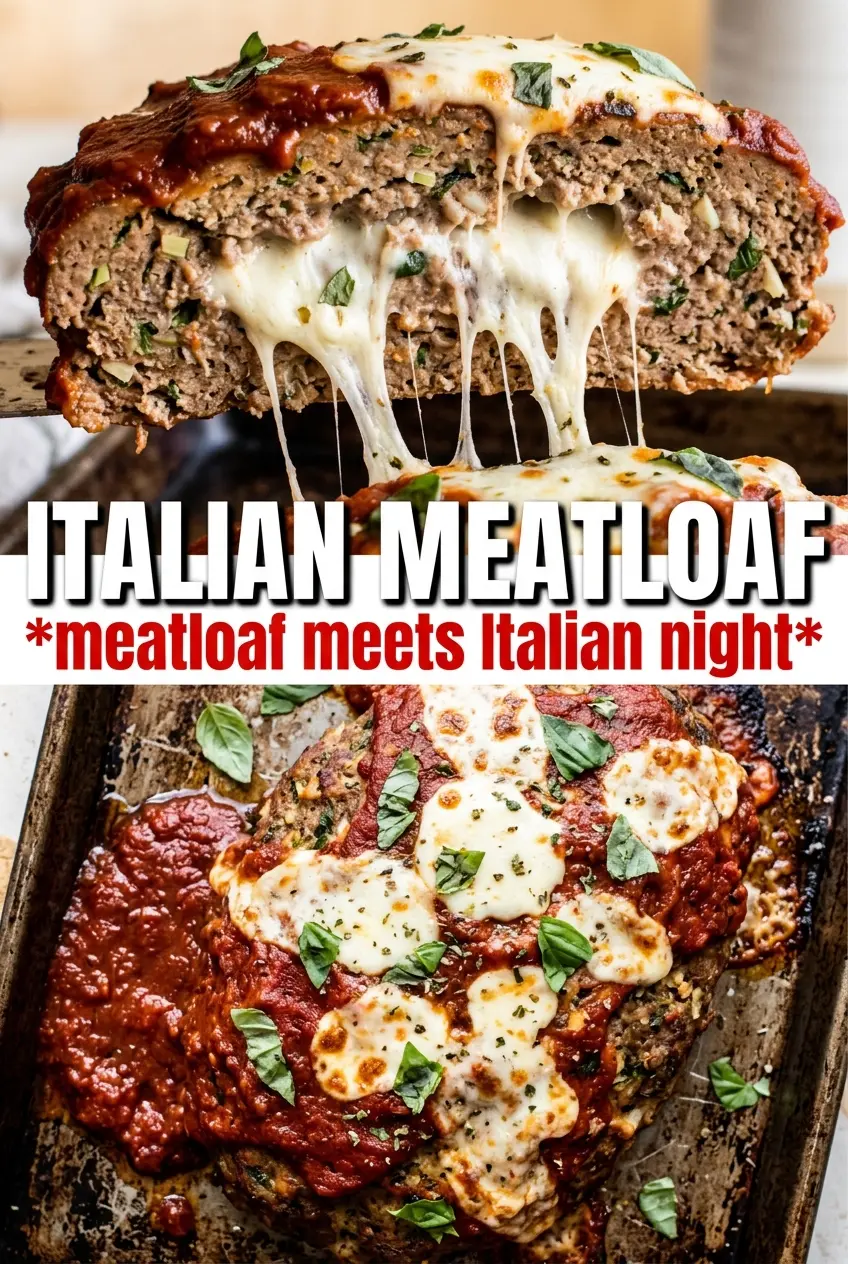
Spread the marinara over the loaf after the first bake, then scatter the mozzarella over the sauce and return it to the oven. The sauce should sit on top like a layer, not disappear into the meat, and the cheese should melt into pooled bubbles with a few golden spots. Pull it when the center reaches 160°F and the cheese looks melted all the way through, because waiting for deep browning usually means the meat has gone too far.
The Rest That Keeps the Juices In
Let the loaf rest for 10 minutes before slicing. That short pause lets the juices settle back into the meat instead of running out onto the cutting board. If you cut too soon, the slices will look messy even if the flavor is right, so give it the full rest before serving.
Small Swaps That Still Keep the Same Italian-American Feel
Make It Without Pork
Use all ground beef, but choose an 85/15 blend so the loaf stays moist. If you go leaner, the breadcrumb mixture will help, but the finished texture will be firmer and a little less rich.
Gluten-Free Version
Swap the Italian breadcrumbs for a gluten-free breadcrumb blend with the same amount by volume. The loaf will still bind well, but check the seasoning because some gluten-free crumbs are less salty than standard ones.
Dairy-Free Finish
Skip the parmesan in the loaf and use a dairy-free mozzarella-style topping if you have one that melts well. The flavor will be a little less savory, so add an extra pinch of salt and a touch more Italian seasoning to keep the loaf balanced.
Storage and Reheating
- Refrigerator: Store slices in an airtight container for up to 4 days. The texture tightens a bit as it chills, but the flavor deepens.
- Freezer: This freezes well. Wrap individual slices tightly and freeze for up to 3 months, or freeze the whole loaf wrapped in foil and then tucked into a freezer bag.
- Reheating: Reheat covered in a 325°F oven until warmed through, or use the microwave in short bursts with a splash of extra marinara. The biggest mistake is blasting it until the cheese toughens and the meat dries out.
Answers to the Questions Worth Asking
Italian Meatloaf
Ingredients
Equipment
Method
- Preheat oven to 350°F and grease a 9x5 loaf pan, using a light even coat so the meatloaf releases cleanly.
- In a large mixing area, combine ground beef, ground pork or Italian sausage, parmesan cheese, Italian breadcrumbs, eggs, whole milk, garlic, parsley, Italian seasoning, Worcestershire sauce, salt, and pepper until just mixed.
- Press the mixture firmly into the loaf pan so it holds together in slices, then bake for 50 minutes.
- Remove the loaf and spread marinara over the top, then scatter mozzarella over the sauce.
- Return to the oven and bake 15–20 more minutes at 350°F until the cheese is bubbly and golden and the internal temperature reaches 160°F.
- Rest the meatloaf 10 minutes to set the juices, then garnish with fresh basil and slice.