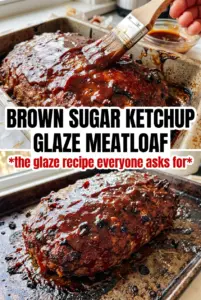
Meatloaf earns its place in the regular dinner rotation when the center stays tender, the slices hold together, and the top bakes into a sticky, burnished glaze that clings to every bite. This version hits all three. The beef stays juicy without turning dense, and the brown sugar ketchup glaze bakes into that familiar sweet-savory crackle that makes people come back for a second slice before the pan even hits the table.
The trick is keeping the mix gentle and the pan packed just enough to hold shape. Breadcrumbs soaked in milk soften into the meat, grated onion disappears into the loaf instead of leaving chunky bits, and the Worcestershire gives the whole thing a deeper, rounder flavor than plain ketchup-glazed meatloaf usually has. Half the glaze goes on early so it can set and caramelize, then the rest finishes the top into that shiny amber layer everyone remembers.
Below you’ll find the small details that keep the texture right, plus a few smart swaps for when you want to work with what you already have in the kitchen.
The glaze thickened into that sticky caramelized top I was hoping for, and the loaf sliced cleanly after resting. Even the leftovers stayed moist the next day.
Love that sticky brown sugar ketchup glaze? Save this meatloaf for the night you want a classic dinner with a caramelized top and a tender slice.
The Reason This Loaf Stays Tender Instead of Dense
Most dry, heavy meatloaf problems start before the pan even goes in the oven. The mixture gets packed too tightly, or the breadcrumb base never has a chance to soften, and the result is a loaf that eats like a brick. Here, the milk-soaked breadcrumbs act like a cushion inside the beef, and the grated onion disappears into the mixture so you get moisture and flavor without big watery pockets.
The other place people go wrong is mixing too long. Once the beef is evenly combined with the seasonings, stop. Overworking the meat tightens the texture and squeezes out the juiciness you want to keep. A loaf pan helps the shape stay neat, but the real key is a light hand and enough fat in the beef to carry the loaf through a full bake.
What the Brown Sugar Ketchup Glaze Is Doing Here
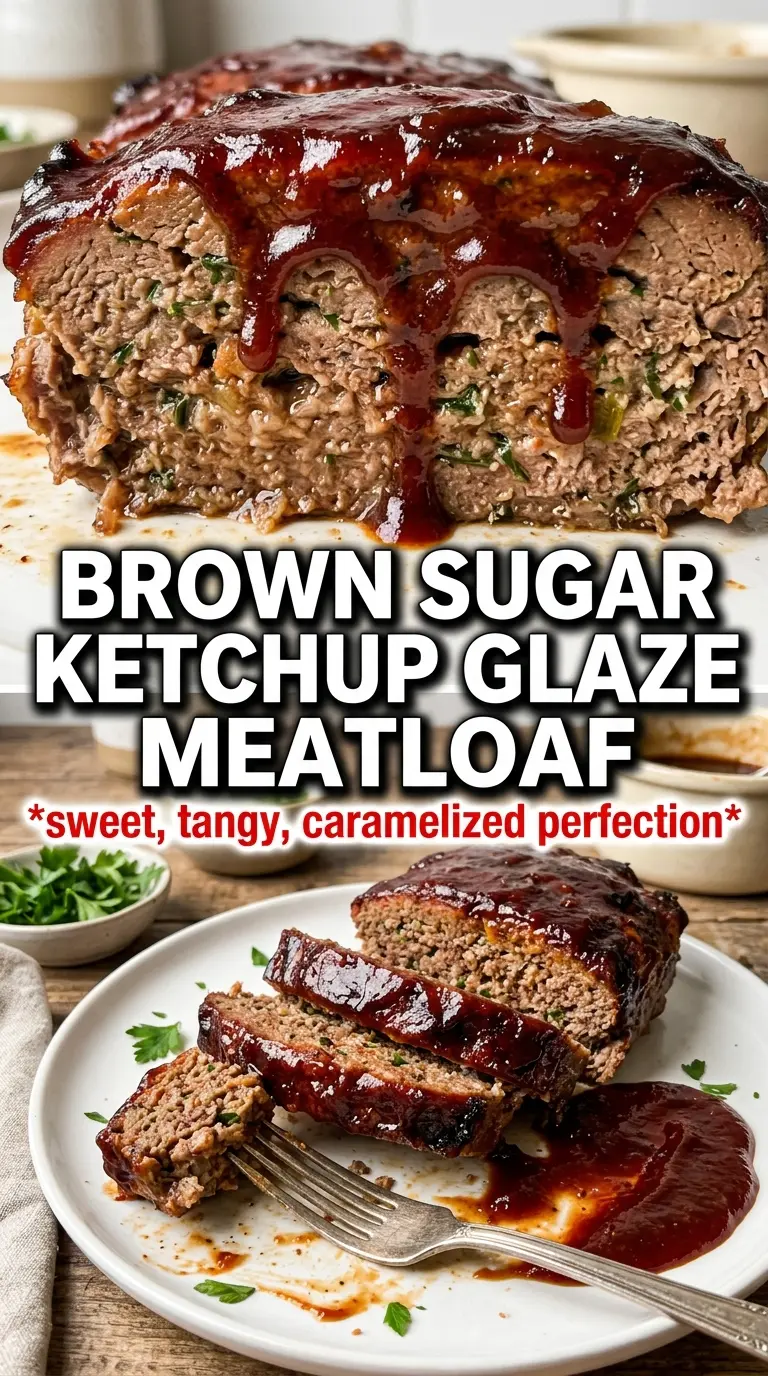
- Ground beef (80/20) — That 80/20 ratio matters because the fat keeps the loaf moist through a long bake. Leaner beef can work, but the slices get drier and the texture gets a little chalky unless you add extra moisture.
- Plain breadcrumbs and milk — This is the binder that keeps the loaf tender. The breadcrumbs need those few minutes to soak so they melt into the meat instead of staying dry and crumbly.
- Grated onion — Grating instead of chopping gives you onion flavor without hard pieces that can break up the slice. If you only have finely minced onion, use it, but grated onion gives a softer finish.
- Worcestershire sauce — It adds depth and a little tang that makes the beef taste more savory. There isn’t a perfect substitute, but a splash of soy sauce plus a little vinegar gets you close in a pinch.
- Brown sugar ketchup glaze — The brown sugar helps the ketchup caramelize into that sticky top layer, while the vinegar keeps it from tasting flat or one-note sweet. Whisk it until smooth so the sugar doesn’t stay gritty on the surface.
Building the Glaze in Two Layers
Soaking the Breadcrumbs
Give the breadcrumbs a short soak in the milk before anything else goes into the bowl. They should look fully damp and soft, not floating in excess liquid. This is what keeps the finished loaf from feeling dry in the center, especially after a full 70 minutes in the oven.
Mixing Without Tightening the Meat
Add the beef, eggs, onion, garlic, seasonings, and soaked breadcrumbs, then mix with your hands just until the ingredients are evenly distributed. The mixture should look cohesive but still loose. If you keep kneading it, the finished loaf turns dense and springy instead of tender.
Glazing Before and After the Set
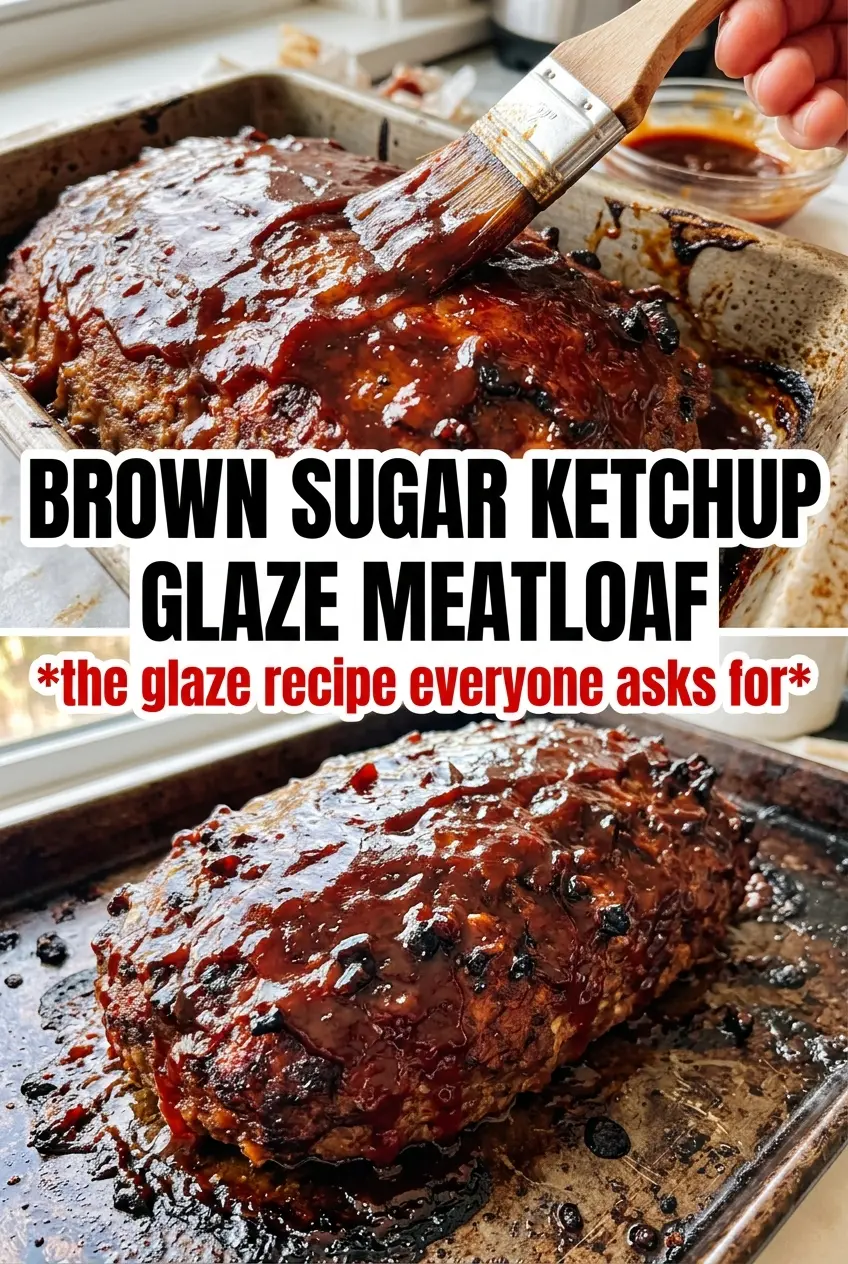
Spread half the glaze over the loaf before baking so it can bake into the surface and start caramelizing early. After 50 minutes, add the rest while the loaf is already partially set; that second coat stays glossy and sticky instead of sinking into the meat. If the glaze looks thin going on, don’t worry — the oven will reduce it into that deep amber finish.
Resting for Clean Slices
Pull the meatloaf when the center reaches 160°F, then let it rest for 10 minutes. That pause matters because the juices settle back into the loaf instead of spilling out the moment you cut it. Slice too soon and the glaze and juices will run all over the board.
How to Adapt This for Different Tables and Pantries
Make it gluten-free
Swap the breadcrumbs for certified gluten-free breadcrumbs or crushed gluten-free crackers. Use the same amount and still soak them in the milk so the texture stays tender instead of crumbly.
Use ground turkey instead of beef
Ground turkey works, but it needs the fat the beef already gives you. If you swap it in, choose a blend with some dark meat or add a little olive oil to the mixture so the loaf doesn’t dry out.
Make the glaze less sweet
Cut the brown sugar to 2 tablespoons and add an extra teaspoon of apple cider vinegar. You still get that sticky caramelized top, but the finish leans more tangy than sweet.
Add extra savoriness
A spoonful of Dijon mustard in the meat mixture gives the loaf a sharper edge without changing the classic feel. It works especially well if you like a glaze that leans sweet on top but savory in the middle.
Storage and Reheating
- Refrigerator: Store sliced meatloaf in an airtight container for up to 4 days. The glaze will firm up a little, but the slices stay moist.
- Freezer: It freezes well. Wrap individual slices tightly and freeze for up to 3 months so you can thaw only what you need.
- Reheating: Warm slices covered in a 300°F oven with a splash of water or a spoonful of extra glaze. The mistake to avoid is blasting it in the microwave too long, which dries out the edges before the center is hot.
Answers to the Questions Worth Asking
Meatloaf with Brown Sugar Ketchup Glaze
Ingredients
Equipment
Method
- Preheat oven to 350°F and grease a 9x5 loaf pan.
- Soak the plain breadcrumbs in whole milk for 3 minutes.
- Add ground beef, eggs, soaked breadcrumbs, grated onion, minced garlic, Worcestershire sauce, dried thyme, garlic powder, onion powder, salt, and black pepper to the mixture.
- Mix gently until just combined—do not overwork.
- Press the mixture into the loaf pan and smooth the top.
- Whisk together ketchup, brown sugar (packed), apple cider vinegar, Worcestershire sauce, and garlic powder.
- Spread half of the glaze over the meatloaf.
- Bake for 50 minutes, then spread the remaining glaze.
- Bake 15–20 more minutes at 350°F until the internal temperature reaches 160°F and the glaze is deeply caramelized.
- Rest the meatloaf for 10 minutes before slicing so the juices set.