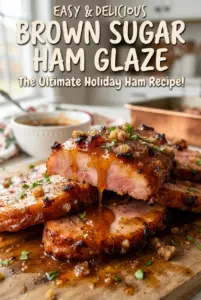
Brown sugar ham glaze turns a simple baked ham into the kind of centerpiece people actually talk about at the table. It bakes down into a glossy amber coating with sweet edges, a little tang from the mustard and vinegar, and just enough spice to keep it from tasting one-note. The best part is how fast it comes together: a handful of pantry ingredients, one saucepan, and a brush.
This version works because the sugar, honey, and fruit juice are balanced with Dijon and cider vinegar, which keeps the glaze from becoming cloying or sticky in a bad way. Butter gives it body and shine, while cinnamon and cloves add that classic holiday-ham warmth without taking over. Simmering it briefly before brushing helps the sugar dissolve fully, so it clings to the ham instead of drying into gritty patches.
Below, you’ll find the timing that keeps the glaze glossy, not burned, plus a few easy swaps if you need to work with what’s in your pantry. If you’ve ever had ham glaze slide off the surface or turn too dark before the ham was hot, the notes here will help you avoid both.
The glaze thickened up fast and brushed on like a dream. I used it every 10 minutes near the end, and the ham came out shiny with those sticky caramelized edges everyone wanted.
Save this brown sugar ham glaze for the ham that needs a glossy, clinging finish with sweet-tangy depth.
The Part Most Ham Glazes Get Wrong: Keeping the Sugar from Burning
The mistake with ham glaze is treating it like a sauce that can sit on high heat until it looks thick. Brown sugar and honey will tighten up fast, and once they cross from glossy to overheated, the glaze can turn bitter or seize into a sticky paste. The sweet spot is a gentle simmer, just long enough to dissolve the sugar and take the raw edge off the mustard and vinegar.
This glaze also needs to go on late in the bake. If it goes on too early, the sugars darken before the ham is fully heated through, and you lose that shiny, lacquered finish. Brushing in layers during the last 30 minutes builds color without scorching, and the repeated passes give you a thicker coating than one heavy application ever will.
- Brown sugar — This is the backbone of the glaze, giving it body and that deep caramel flavor. Packed brown sugar works best because it measures consistently and melts into the liquid evenly.
- Honey — Honey adds sheen and helps the glaze cling to the ham. If you swap in maple syrup, the result will be a little thinner and more woodsy, but still good.
- Dijon mustard — This keeps the glaze from tasting flat. Yellow mustard will work in a pinch, but Dijon gives a cleaner, sharper bite that balances the sweetness better.
- Apple cider vinegar — The vinegar keeps the glaze lively and cuts through the richness of the ham. Don’t skip it; that small amount keeps the finished glaze from tasting heavy.
- Pineapple or orange juice — Pineapple brings a brighter tang and a slightly more assertive finish, while orange tastes softer and rounder. Use whichever matches the ham you bought.
How to Build a Glossy Glaze That Clings Instead of Sliding Off
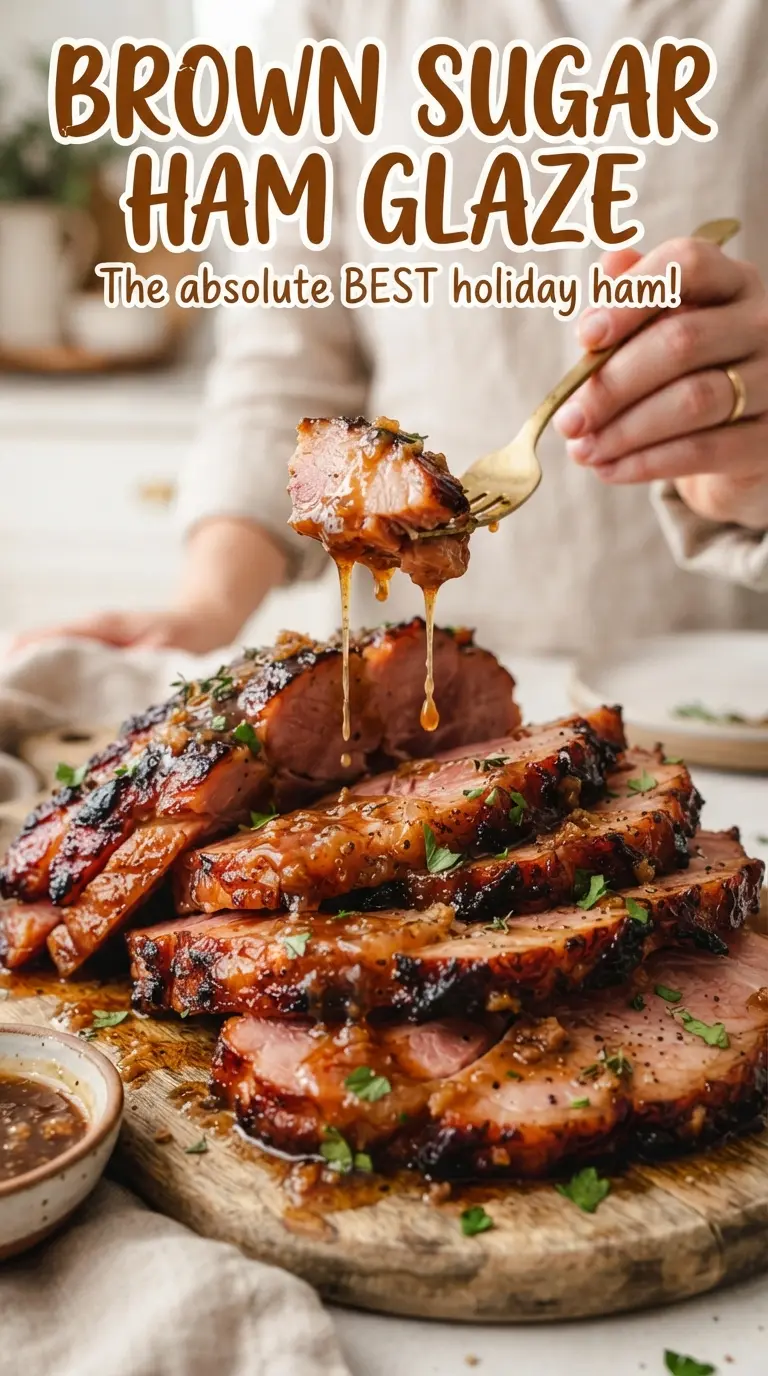
- Brush, don’t pour, during the bake — The glaze needs contact with the warm surface of the ham in thin layers. If you dump it on all at once, too much runs into the pan before it has time to set.
- Watch for small bubbles — Once the mixture starts to shimmer and bubble around the edges, the sugar has dissolved and the glaze is ready. A hard boil is too aggressive and can make the glaze overshoot from glossy to sticky.
- Use a warm glaze — Cold glaze thickens fast and doesn’t spread as evenly. Keep it over low heat or give it a quick stir before each brushing so it stays fluid enough to paint on.
- Save some for the table — The glaze on the ham will caramelize in the oven, but the reserved warm glaze gives sliced ham extra shine and moisture when served.
The 15 Minutes That Turn This from Thin Syrup into a Real Glaze
Combining the Ingredients
Add everything to a saucepan before turning on the heat. The butter helps the sugar dissolve smoothly, and the vinegar needs to be evenly distributed so the glaze doesn’t taste sharp in one bite and flat in the next. Stir from the start so the brown sugar doesn’t sit in clumps at the bottom of the pan.
Bringing It to a Gentle Simmer
Keep the heat at medium and watch for the first lazy bubbles. You want the sugar fully dissolved and the glaze slightly thickened, not reduced into taffy. If it starts boiling hard, pull it back right away; that’s how the butter separates and the sugar darkens too quickly.
Glazing the Ham in Layers
Brush the glaze over a fully cooked ham during the last 30 minutes of baking, then repeat every 10 minutes. Each layer should look glossy before the next one goes on. If the ham is still wet from pan juices, pat the surface lightly first so the glaze can grip instead of sliding off.
Serving the Final Spoonfuls
Warm the reserved glaze and spoon it over sliced ham at the table. The finish from the oven will be a little thicker and deeper, while the fresh spooned glaze keeps the slices juicy and bright. This is the part that makes leftovers taste like they were cooked with a purpose.
Three Useful Ways to Adjust This Brown Sugar Ham Glaze
Dairy-Free Without Losing the Shine
Swap the butter for a neutral oil or plant-based butter. You’ll lose a little of the classic dairy richness, but the glaze will still turn glossy and cling well because the sugar and honey are doing most of the structural work.
Orange Juice for a Softer, Brighter Finish
Use orange juice instead of pineapple if you want a gentler citrus note. Pineapple is punchier and a little more tangy; orange gives you a rounder glaze that leans sweeter and feels especially good with a smoky ham.
Thinner Glaze for Spiral-Sliced Ham
If you’re glazing a spiral-cut ham, add an extra tablespoon or two of juice so the glaze can seep between the slices. That thinner texture helps it coat the cut edges instead of sitting only on the surface.
Storage and Reheating
- Refrigerator: Store leftover glaze in an airtight container for up to 5 days. It will thicken as it chills.
- Freezer: It freezes well for up to 2 months. Freeze in a small container and thaw in the refrigerator before reheating.
- Reheating: Warm it gently in a saucepan over low heat with a splash of juice or water to loosen it. Don’t boil it again or the sugars can turn too thick and sticky.
Questions I Get Asked About This Recipe
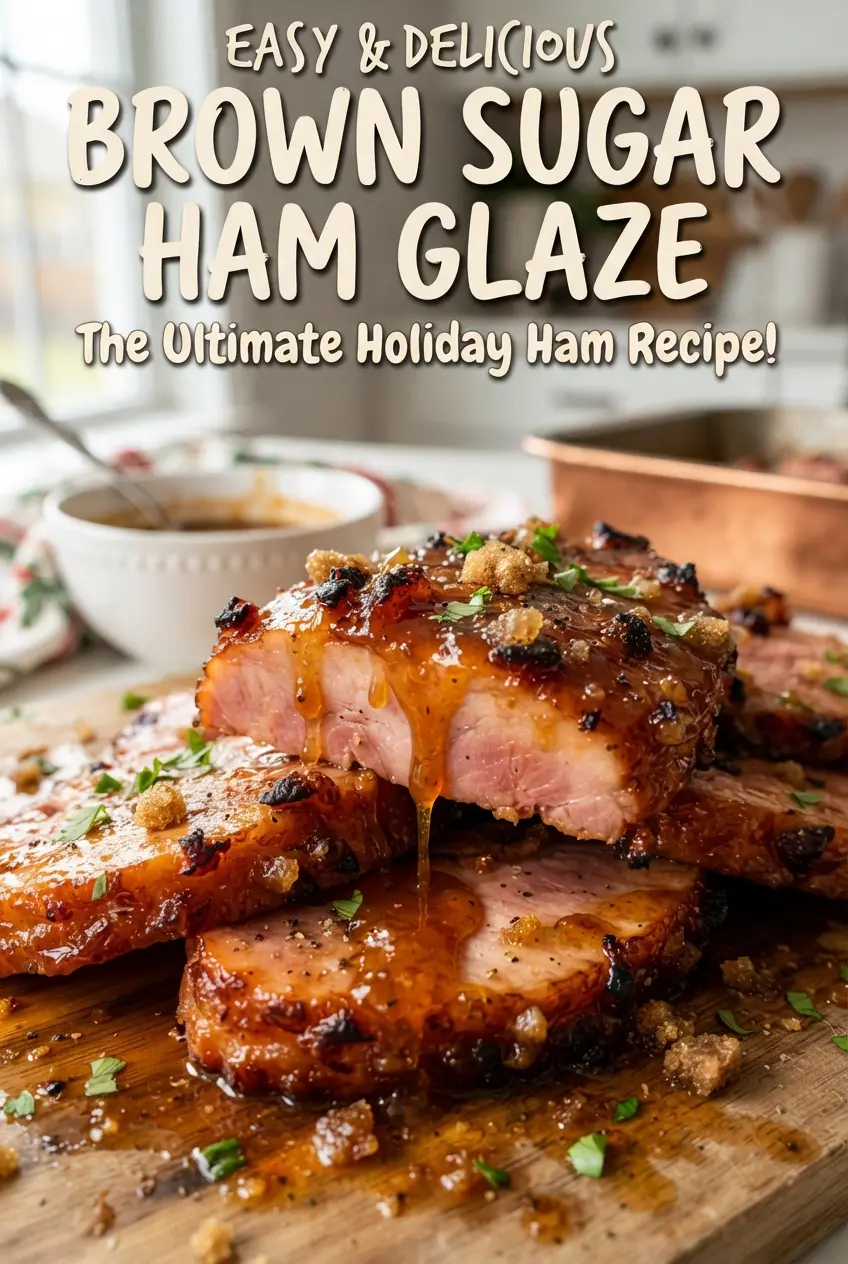
Brown Sugar Ham Glaze
Ingredients
Equipment
Method
- Combine brown sugar, honey, pineapple or orange juice, Dijon mustard, butter, apple cider vinegar, ground cinnamon, and ground cloves in a saucepan.
- Bring to a simmer over medium heat while stirring until the sugar fully dissolves.
- Simmer 3-4 minutes until slightly thickened and glossy, then remove from the heat.
- Brush the glaze over a fully cooked ham during the last 30 minutes of baking.
- Brush again every 10 minutes with fresh glaze from the saucepan for a lacquered finish.
- Spoon the remaining warm glaze over sliced ham at the table.