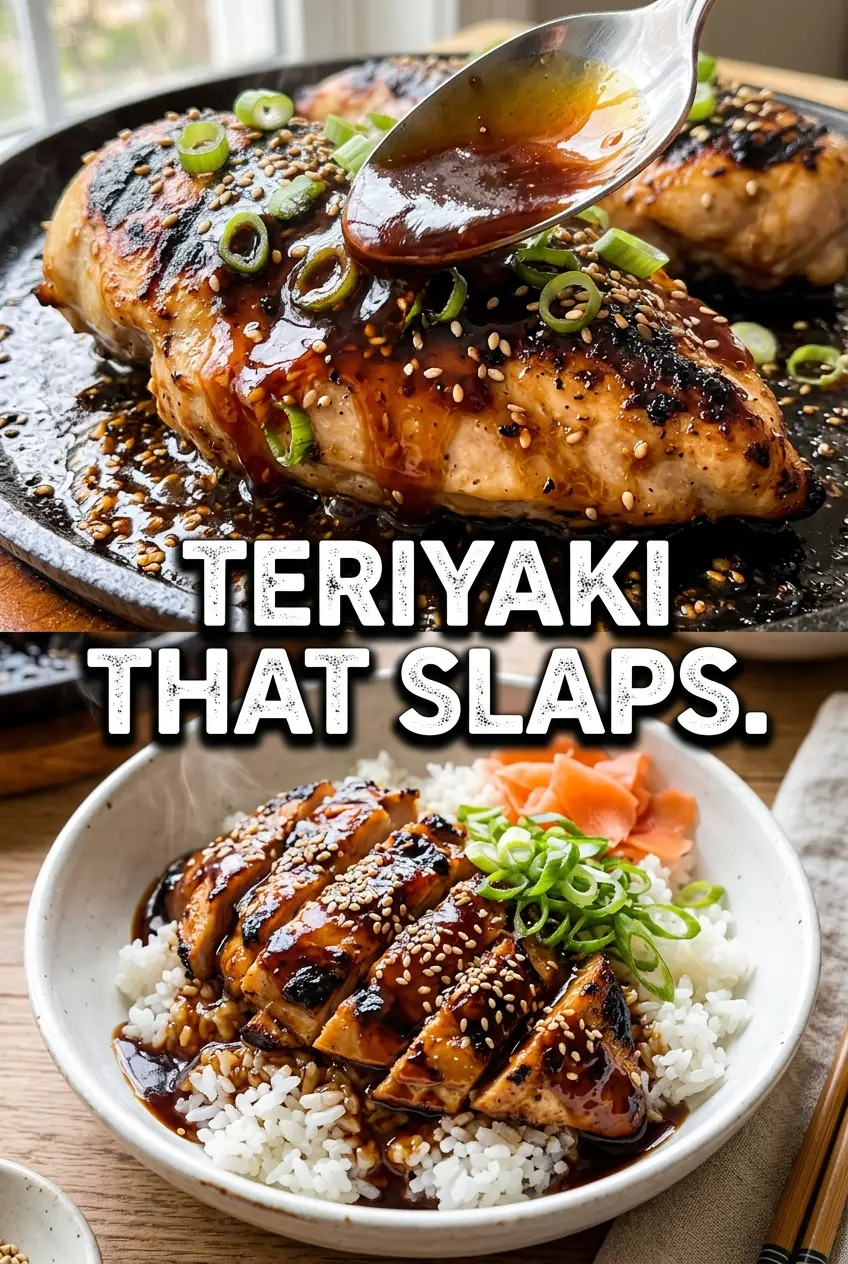
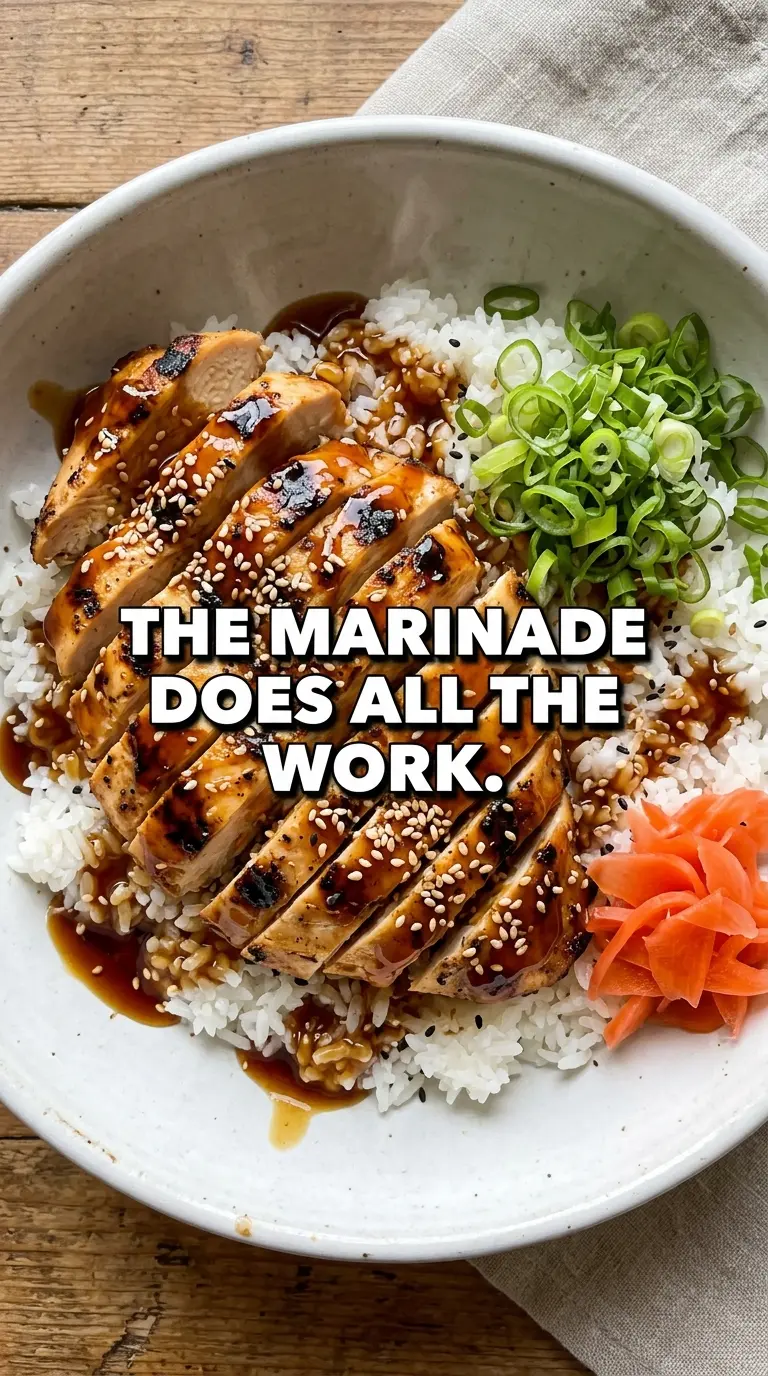
Sticky, glossy chicken teriyaki is one of those dinners that earns its keep fast. The chicken comes off the pan or grill lacquered in a sweet-salty glaze with caramelized edges, and it’s the kind of meal that feels a lot more put together than the effort it takes. Served over rice, it hits that perfect balance of saucy, savory, and just a little bit smoky.
What makes this version work is the marinade ratio. Soy sauce brings the salt and depth, mirin softens the sharpness, and brown sugar plus honey help the glaze cling and caramelize instead of just running off the chicken. The reserved portion is the key move: it gives you a clean basting sauce and lets you thicken the last bit into a proper glaze without worrying about raw chicken juice in the pan.
Below, I’ll walk through the one step people often rush, plus a few simple swaps if you need to work with what’s already in the kitchen. The difference between good teriyaki and great teriyaki is mostly in the timing and the heat.
The chicken took on the marinade fast, and the glaze thickened up on the stove into that shiny coating instead of staying watery. My husband kept going back for more rice just to get the sauce.
Save this chicken teriyaki with marinade for a glossy, caramelized dinner that comes together with pantry staples and a quick 30-minute soak.
The Marinade Has to Do More Than Season the Chicken
The common mistake with teriyaki is treating the marinade like a sauce that can be cooked down at the end without any planning. Soy sauce, sugar, and honey all want to thicken, but if you use the same liquid for marinating and basting without separating it first, you either waste a good marinade or risk cross-contamination. Reserving part of the mixture before it touches the chicken keeps the finish clean and lets the glaze reduce into something shiny instead of salty and thin.
Chicken thighs handle this method best because they stay juicy and tolerate the higher heat needed for caramelization. Breasts work too, but they need closer attention and should come off the heat as soon as they hit 165°F. If the heat is too low, the sauce stays pale and sticky; if it’s too high, the sugars burn before the chicken cooks through.
What Each Ingredient Is Actually Doing in This Teriyaki
- Chicken thighs or breasts — Thighs give you the juiciest result and are more forgiving over high heat. Breasts are leaner and cook faster, so pull them as soon as they’re done or they’ll dry out before the glaze finishes.
- Soy sauce — This is the backbone of the marinade, bringing salt, color, and that deep savory base. Low-sodium soy sauce works if you want a little more control, but regular soy gives the boldest teriyaki flavor.
- Mirin or rice wine — Mirin adds sweetness and the rounded, almost glossy finish that makes teriyaki taste like teriyaki. If you use dry rice wine, add a touch more brown sugar because you’ll lose some of that soft sweetness.
- Brown sugar and honey — These are what help the sauce cling and caramelize. Honey gives a smoother glaze, while brown sugar adds a deeper, molasses note; both together make the coating set beautifully on the chicken.
- Garlic and ginger — Fresh is worth it here. The sharpness cuts through the sweetness and keeps the sauce from tasting flat, especially after grilling or broiling.
- Cornstarch — Optional, but useful if you want the reserved marinade to turn into a spoon-coating glaze. Mix it into the reserved liquid and simmer just until the sauce goes from cloudy to glossy and thick.
How to Keep the Glaze Shiny Instead of Burnt
Mix the Marinade Before the Chicken Goes In
Stir the soy sauce, mirin, brown sugar, honey, garlic, and ginger until the sugar dissolves as much as it can. If you leave gritty sugar at the bottom, it tends to cling unevenly and can scorch in spots once the chicken hits the heat. Reserve 1/4 cup before marinating so you have a clean portion for basting or reducing later. That small step is what makes the final glaze taste polished instead of muddled.
Marinate Without Overdoing It
Thirty minutes gives the chicken enough time to pick up flavor without turning the texture soft or cured. Two hours is plenty if you want a stronger teriyaki presence, but don’t leave it much longer than that, especially with breasts, or the surface can start to get a little mealy. Let excess marinade drip off before cooking so the chicken sears instead of steaming in the pan or on the grill.
Cook Over Medium-High Heat and Baste at the End
Medium-high heat gives you those caramelized edges without blackening the sugar too early. Put the chicken down and leave it alone long enough to develop color, then turn it once and start basting during the last few minutes. If you baste too early, the sugars can burn before the center is cooked. The finished chicken should look lacquered, with sticky browned edges and juices running clear.
Thicken the Reserved Sauce Last
Simmer the reserved marinade with cornstarch only after the chicken is cooked. Keep the heat at a gentle simmer and stir until the sauce turns glossy and lightly nappes the spoon. If it looks lumpy, the heat was too high or the cornstarch wasn’t mixed in evenly. Pull it off the stove as soon as it thickens; it keeps tightening as it cools.
How to Adapt This for Different Kitchens and Diets
Use chicken thighs for the most forgiving result
Thighs stay juicy even if they get a little extra time on the heat, and they hold onto the glaze better. If you use breasts, slice them a little thinner so they cook through before the sugars on the outside get too dark.
Make it gluten-free with tamari
Swap the soy sauce for tamari in a 1:1 ratio. The flavor stays deep and savory, and the finished glaze still caramelizes the same way, just with a slightly cleaner finish.
Skip the grill and use a skillet
A heavy skillet gives you better control if the weather or equipment isn’t cooperating. The sauce will still reduce nicely, and the browned bits in the pan make the glaze taste even richer, but you’ll need to watch for hot spots because the sugars can scorch faster indoors.
Storage and Reheating
- Refrigerator: Store leftovers in an airtight container for up to 4 days. The glaze will thicken and tighten as it chills.
- Freezer: This freezes well for up to 2 months. Freeze the chicken with a little extra sauce so it reheats moist instead of dry.
- Reheating: Warm gently in a covered skillet over low heat with a splash of water, or reheat in the microwave at medium power. High heat is the mistake here — it drives off moisture and can turn the sauce sticky in a bad way.