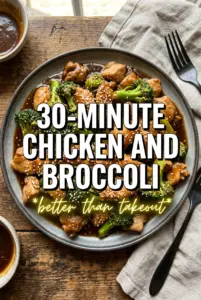
Glossy chicken and broccoli over rice hits that sweet spot between fast and satisfying, and this version gets there without a limp vegetable or a thin sauce. The chicken stays tender because it gets a light cornstarch coating before it ever touches the pan, and the broccoli keeps some bite instead of turning soft and dull. What you end up with is a takeout-style dinner that clings to the spoon and still tastes fresh at the table.
The sauce matters here. Soy sauce brings the salt, oyster sauce adds depth, hoisin rounds it out, and a little brown sugar keeps the edges from tasting sharp. Cornstarch does double duty: it gives the chicken a light crust and thickens the sauce just enough to coat every piece without turning gummy. The trick is cooking the broccoli until it turns bright green and stopping there, before it starts steaming itself soft in the pan.
Below, I’ve included the small details that make the difference between a decent stir-fry and one you’d happily make again next week, plus a few swaps for when you need them.
The sauce thickened in under two minutes and coated every piece of chicken without getting gluey. I used fresh broccoli and it stayed bright green with just the right bite.
Save this 30-Minute Chicken and Broccoli for a fast soy-garlic dinner with crisp broccoli and a glossy takeout-style sauce.
The Small Stir-Fry Habit That Keeps the Sauce Glossy, Not Starchy
Most chicken and broccoli goes wrong in one of two ways: the chicken steams in a crowded pan, or the sauce turns thick before the broccoli has any real color. This recipe avoids both by cooking in stages and using high heat only where it counts. You get browned chicken, crisp-tender broccoli, and a sauce that turns shiny instead of pasty.
The cornstarch on the chicken is doing more than helping the sauce stick. It gives the meat a thin protective layer so it stays juicy while the outside picks up a little color. The other thing that matters is removing the chicken before the broccoli goes in. If you leave everything in the pan at once, the broccoli dumps moisture and the whole skillet starts to braise instead of stir-fry.
- Chicken breasts — They cook quickly and stay tender when cut into even bite-sized pieces. Chicken thighs work too, but they bring a richer, slightly fattier result.
- Cornstarch — This is what gives the sauce its smooth, clingy finish and helps the chicken brown a little faster. Arrowroot can work in a pinch, but it can turn a bit slicker and less stable if you overcook it.
- Broccoli florets — Fresh florets hold their texture best here. Frozen broccoli softens more and releases extra water, so it’s better if that’s what you have, but cook it straight from frozen and expect a softer bite.
- Soy sauce, oyster sauce, and hoisin — This trio builds the savory-sweet base that tastes layered instead of one-note. If you skip oyster sauce, the sauce loses some depth, so add a little extra hoisin and a splash more soy to compensate.
- Chicken broth — It loosens the sauce just enough to whisk cleanly and keeps the cornstarch from clumping before it hits the pan. Water works, but the finished sauce tastes flatter.
- Sesame oil — Use it at the end, not for frying. A little goes a long way, and late addition preserves that nutty aroma.
What Each Ingredient Is Actually Doing in This Recipe
- Primary ingredient (the star) — Quality matters most. Choose the best you can find.
- Cooking medium (oil, butter, or broth) — This carries flavors and prevents dryness.
- Seasonings (salt, pepper, spices, herbs) — Layer flavors so nothing overpowers. Build depth gradually.
- Aromatics (garlic, onion, herbs) — Cook with fat to bloom flavors. Become the foundation.
- Supporting ingredients — Complement the main ingredient without overpowering it.
- Sauce or liquid (if applicable) — Brings flavors together. Balance richness with acid.
- Acid (lemon, vinegar, wine, or other) — Brightens and prevents flat-tasting results.
- Final finish (garnish, glaze, or sauce) — Prevents one-dimensional taste and adds visual appeal.
Building the Pan So the Sauce Thickens at the Right Moment
Coating the chicken first
Toss the chicken with salt, pepper, and cornstarch until every surface looks lightly dusted, not gummy. That thin coating helps the chicken sear instead of sticking and gives the sauce something to grab onto later. If you add too much cornstarch or let the chicken sit wet, the pieces clump and turn dull instead of lightly golden.
Getting the chicken browned
Heat the oil until it shimmers, then spread the chicken out in the pan and leave it alone long enough to color on the first side. Crowding the pan is the fastest way to lose the sear and end up with pale chicken in its own juices. When the pieces are cooked through and have patches of gold, pull them out; they’ll finish when they go back into the sauce.
Keeping the broccoli crisp
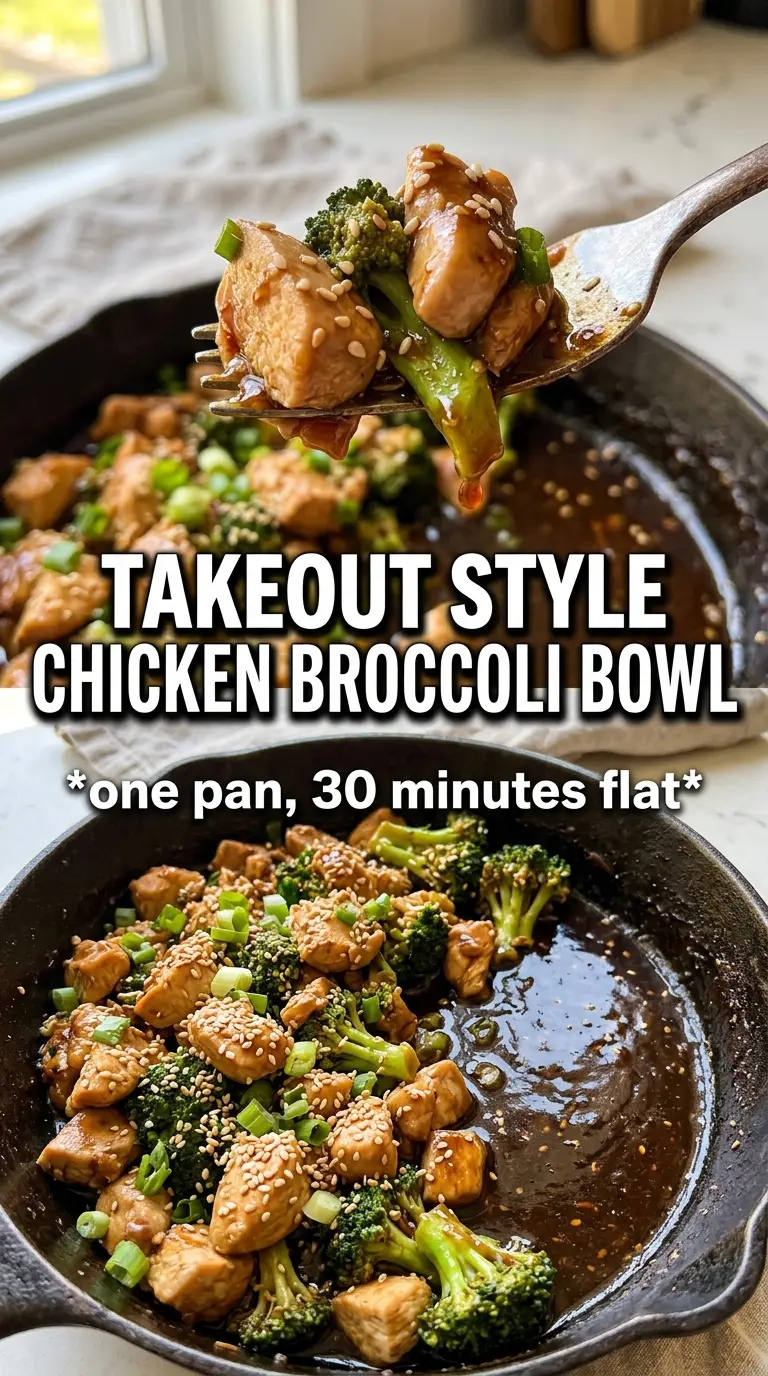
Stir-fry the broccoli just until it turns bright green and the stems start to soften at the edges. It should still have some snap when you bite into it. If the florets are going limp before the garlic goes in, the heat is too low or the pan is too crowded.
Finishing the sauce in the pan
Add the garlic and ginger for only about 30 seconds, just until fragrant, then pour in the whisked sauce. The starch will thicken quickly once it warms, so keep tossing until the liquid turns glossy and lightly coats the back of a spoon. If it starts looking too thick, a splash of broth loosens it right away.
How to Adapt This When You Need to Work Around the Pantry
Make it with chicken thighs
Boneless skinless thighs give you a juicier, richer version and are a little more forgiving if your heat runs high. They may need a minute or two longer to cook through, but the sauce and broccoli stay the same.
Gluten-free version
Use a gluten-free soy sauce or tamari and check that your oyster and hoisin sauces are labeled gluten-free. The texture stays the same, and the sauce still thickens properly because the cornstarch is doing the work.
Broccoli swap for mixed vegetables
Snap peas, bell peppers, or thin-sliced carrots all work well here. Just stagger the cooking times: carrots first, peppers next, snap peas last, so nothing turns soft before the sauce goes in.
Lower-sugar adjustment
Cut the brown sugar in half if you want a less sweet sauce. The dish will taste a little sharper and more savory, which works well if you’re serving it with plain rice.
Storage and Reheating
- Refrigerator: Store leftovers in an airtight container for up to 4 days. The broccoli softens a bit, but the sauce still reheats well.
- Freezer: It freezes, but the broccoli loses its best texture. If you plan to freeze it, undercook the vegetables slightly and cool the dish completely before packing it up.
- Reheating: Reheat in a skillet over medium-low heat with a splash of water or broth. The biggest mistake is blasting it over high heat, which tightens the chicken and makes the sauce seize up.
Answers to the Questions Worth Asking
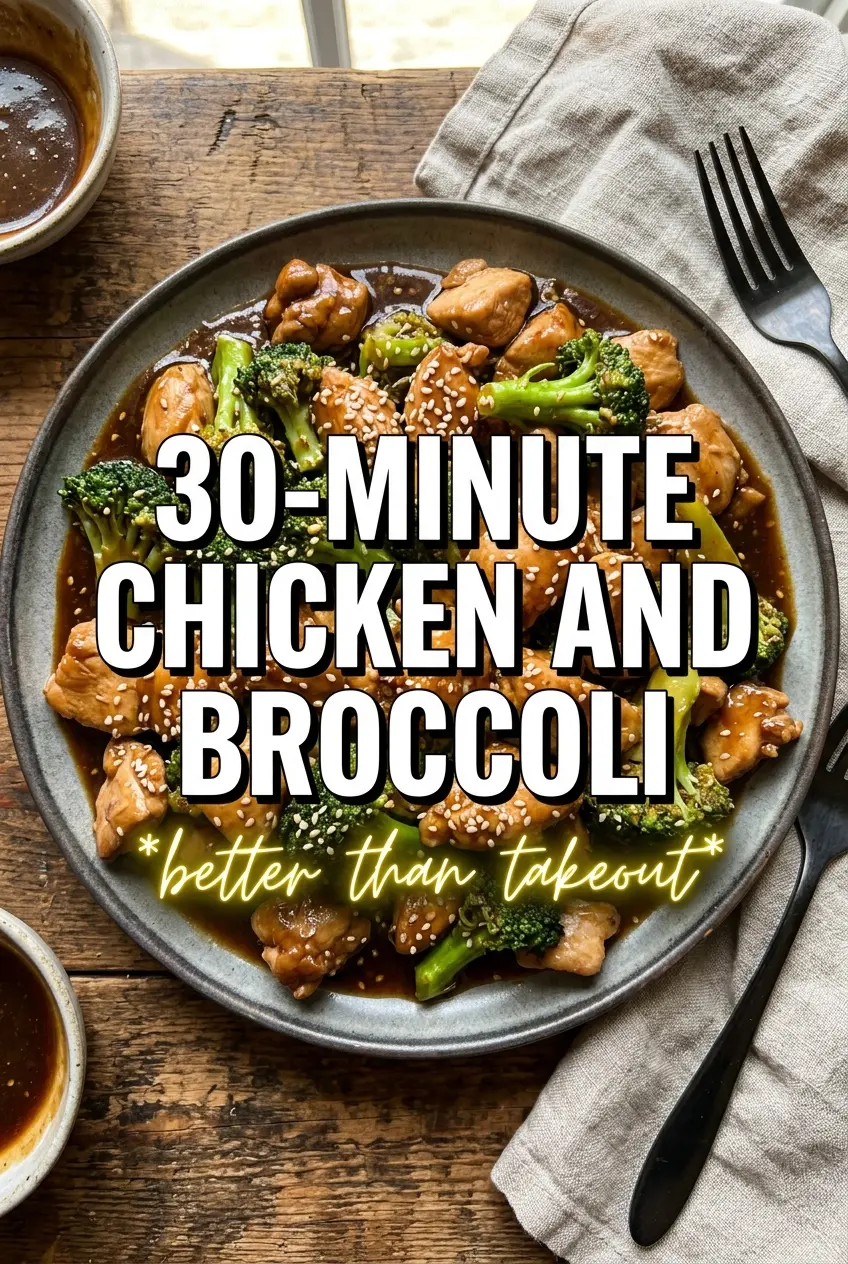
30-Minute Chicken and Broccoli
Ingredients
Equipment
Method
- Toss chicken with salt, pepper, and cornstarch until coated and lightly dusted.
- Heat 1 tablespoon oil in a large wok or skillet over high heat; cook chicken for 5-6 minutes until golden and cooked through, then remove.
- Add remaining oil; stir-fry broccoli for 3-4 minutes until bright green and just tender-crisp.
- Add garlic and ginger and stir-fry 30 seconds, then pour in the whisked sauce.
- Cook the sauce for 1-2 minutes until thickened and glossy, coating the pan bottom.
- Return chicken to the pan and toss to coat so every piece is glazed.
- Serve over rice and top with sesame seeds and green onions for a bright finish.