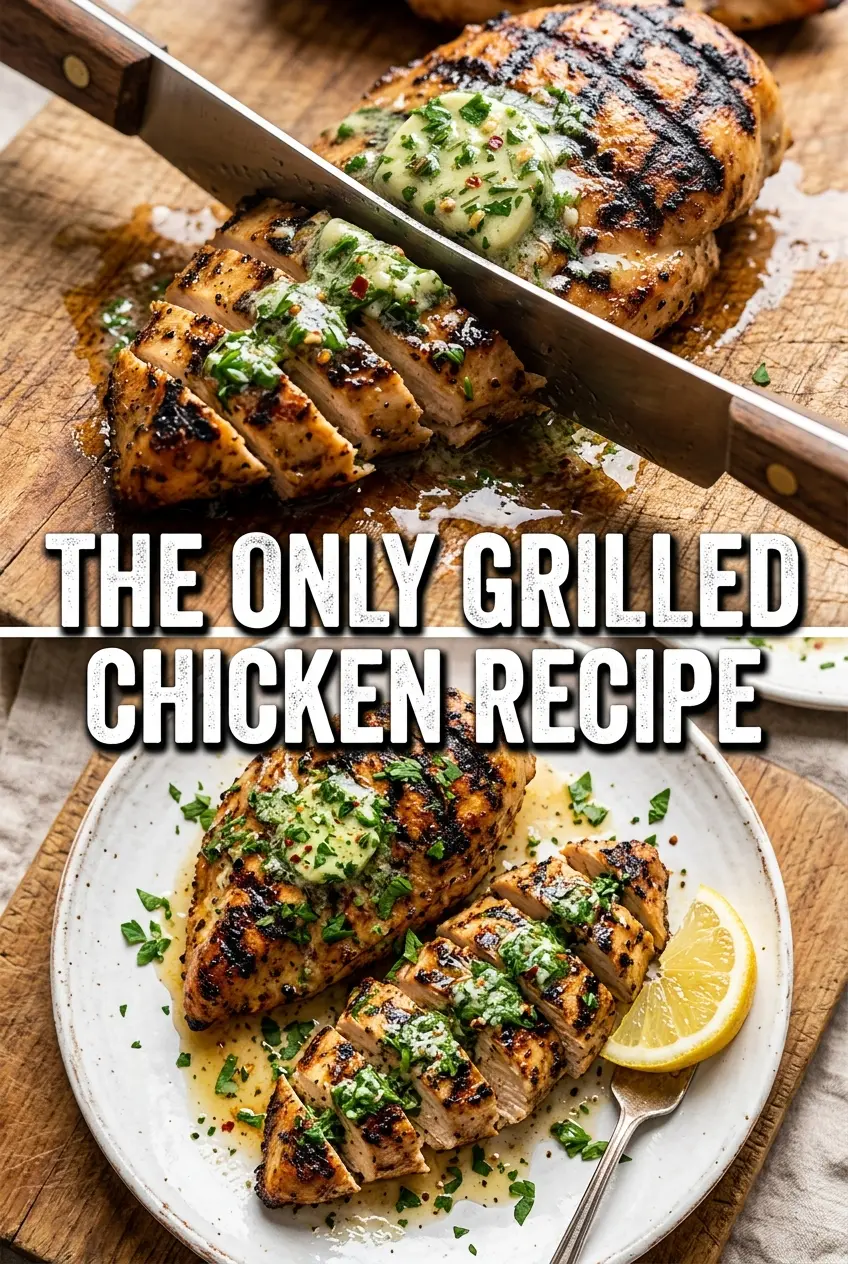
Juicy grilled chicken with dark, savory edges and a clean lemon-garlic finish earns a permanent place in the dinner rotation fast. The marinade does the heavy lifting here: it seasons all the way through, helps the chicken stay tender over the heat, and gives you those caramelized grill marks without turning the surface bitter or dry.
The balance matters. Soy sauce and Worcestershire bring depth, lemon juice brightens the meat, Dijon helps the marinade cling, and just enough brown sugar encourages browning without crossing into sticky-sweet territory. I’ve tested this with both chicken pieces and boneless cuts, and the difference comes down to the marinating time and keeping the grill at a steady medium-high heat.
Below you’ll find the one step that keeps the chicken juicy, why the marinade ingredients are working together instead of against each other, and a few ways to adapt it for different cuts or make-ahead cooking.
The chicken came off the grill juicy with a great char, and the marinade didn’t overpower it. I let it go the full 6 hours and the flavor was spot on.
Save this grilled chicken marinade for juicy, char-marked chicken with a balanced lemon-garlic finish.
The Marinade Time That Keeps Chicken Juicy Instead of Mushy
The biggest mistake with grilled chicken is treating the marinade like a soak-and-forget situation. Lemon juice and soy sauce both do great work here, but leave the chicken in the acid too long and the surface can turn soft instead of pleasantly seasoned. Two to eight hours is the sweet spot for this recipe, with thicker pieces needing the longer end of that window.
Heat matters just as much as time. A medium-high grill gives you good color before the sugars in the marinade burn, and turning the chicken occasionally helps the outside brown evenly instead of scorching in one spot. Pull it when the thickest part reaches 165°F, then let it rest so the juices settle back into the meat instead of running onto the cutting board.
What Each Marinade Ingredient Is Actually Doing

- Olive oil — Helps carry the seasonings across the chicken and keeps the surface from drying out on the grill. Use a decent everyday olive oil here; the flavor isn’t front and center, but cheap, stale oil can taste flat.
- Soy sauce — Brings salt and depth in one shot, which is why the chicken tastes seasoned all the way through instead of just on the outside. Low-sodium soy sauce works if that’s what you keep on hand; the chicken will still have plenty of flavor.
- Lemon juice — Sharpens the marinade and helps the chicken taste bright instead of heavy. Fresh lemon juice gives the cleanest result, and bottled juice can taste a little dull, but it still works in a pinch.
- Dijon mustard — Helps the marinade cling to the chicken and gives the finished meat a subtle tang that blends into the background. It’s not there to taste mustardy; it’s there to round out the marinade and keep everything emulsified.
- Brown sugar — Gives the grill marks a little help and balances the salt and acid so the chicken tastes full, not sharp. Don’t add much more than this or the sugar can darken too quickly before the chicken cooks through.
- Paprika and black pepper — Paprika adds color and a mild warm note, while pepper gives the chicken a little edge. Smoked paprika can be used if you want a more barbecue-style finish, but it will push the flavor away from classic grilled chicken territory.
Getting the Char Before the Chicken Dries Out
Whisking the Marinade Until It Clings
Whisk the olive oil, soy sauce, lemon juice, Worcestershire sauce, Dijon, garlic, brown sugar, black pepper, and paprika until the sugar mostly dissolves and the mixture looks cohesive. If the dressing separates in the bowl, that’s normal, but give it another whisk right before the chicken goes in so the flavor doesn’t pool at the bottom. Raw garlic should be minced finely enough that it sticks to the chicken instead of falling into the grill grates.
Marinating Without Overdoing It
Coat the chicken pieces evenly and refrigerate them for at least 2 hours, or up to 8 hours for thicker cuts. If the chicken sits too long in the lemon juice, the surface can get a little soft, so don’t stretch the marinating time overnight unless the pieces are especially thick. Turn the bag or dish once or twice so every piece gets the same amount of contact with the marinade.
Grilling to the Right Color and Temperature
Preheat the grill to medium-high and oil the grates if they tend to stick. Lay the chicken on the grates and let it cook long enough to pick up color before you move it; if it sticks, it usually isn’t ready to turn yet. Keep turning occasionally until the internal temperature reaches 165°F in the thickest part, then move it off the heat immediately so the sugars in the marinade don’t overcook and turn bitter.
Resting Before You Serve It
Let the chicken rest for 5 minutes before cutting or serving. This short pause keeps the juices in the meat instead of spilling out the second you slice in. If you skip the rest, even well-grilled chicken can eat drier than it should.
How to Adapt This Chicken for Different Cuts and Diets
Boneless chicken breasts
Boneless breasts cook faster and dry out faster, so start checking them early and pull them as soon as they hit 165°F. They’ll still take on the same marinade flavor, but you’ll lose some of the smoky, deeply browned edges that bone-in pieces develop.
Boneless thighs for a richer result
Thighs stay juicy longer and give you a little more forgiveness on the grill. They pick up the marinade beautifully and taste a touch richer, though they won’t have quite the classic backyard grilled chicken feel of mixed pieces.
Gluten-free version
Use a certified gluten-free soy sauce or tamari and check your Worcestershire sauce label, since some brands include gluten. The flavor stays the same, and the marinade still browns well on the grill.
No grill, just a grill pan
A grill pan works if that’s what you’ve got, but preheat it fully so the chicken sears instead of steaming. You’ll get good browning and a solid dinner, just with less smoke and fewer pronounced grill marks than over open flame.
Storage and Reheating
- Refrigerator: Store leftovers in an airtight container for up to 4 days. The chicken stays moist if you keep it whole instead of slicing it all at once.
- Freezer: Grilled chicken freezes well for up to 2 months. Wrap it tightly or store it in freezer bags with as much air pressed out as possible so the surface doesn’t dry out.
- Reheating: Reheat gently in a covered skillet with a splash of water or broth over low heat, or warm it in a 300°F oven until just heated through. High heat will tighten the meat and push out the juices you worked to keep in.
Questions I Get Asked About This Recipe
All-Star Grilled Chicken
Ingredients
Equipment
Method
- Whisk together olive oil, soy sauce, lemon juice, Worcestershire sauce, Dijon mustard, minced garlic, brown sugar, black pepper, and paprika until the mixture looks evenly combined.
- Place chicken pieces in a container and pour the marinade over them, turning to coat all sides.
- Cover and refrigerate for 2-8 hours so the marinade can season the chicken thoroughly.
- Preheat the grill to medium-high heat and keep the lid closed while it heats.
- Grill the chicken over medium-high heat, turning occasionally, until the internal temperature reaches 165°F, about 25 minutes total.
- Let the chicken rest for 5 minutes after grilling before serving to help the juices settle.