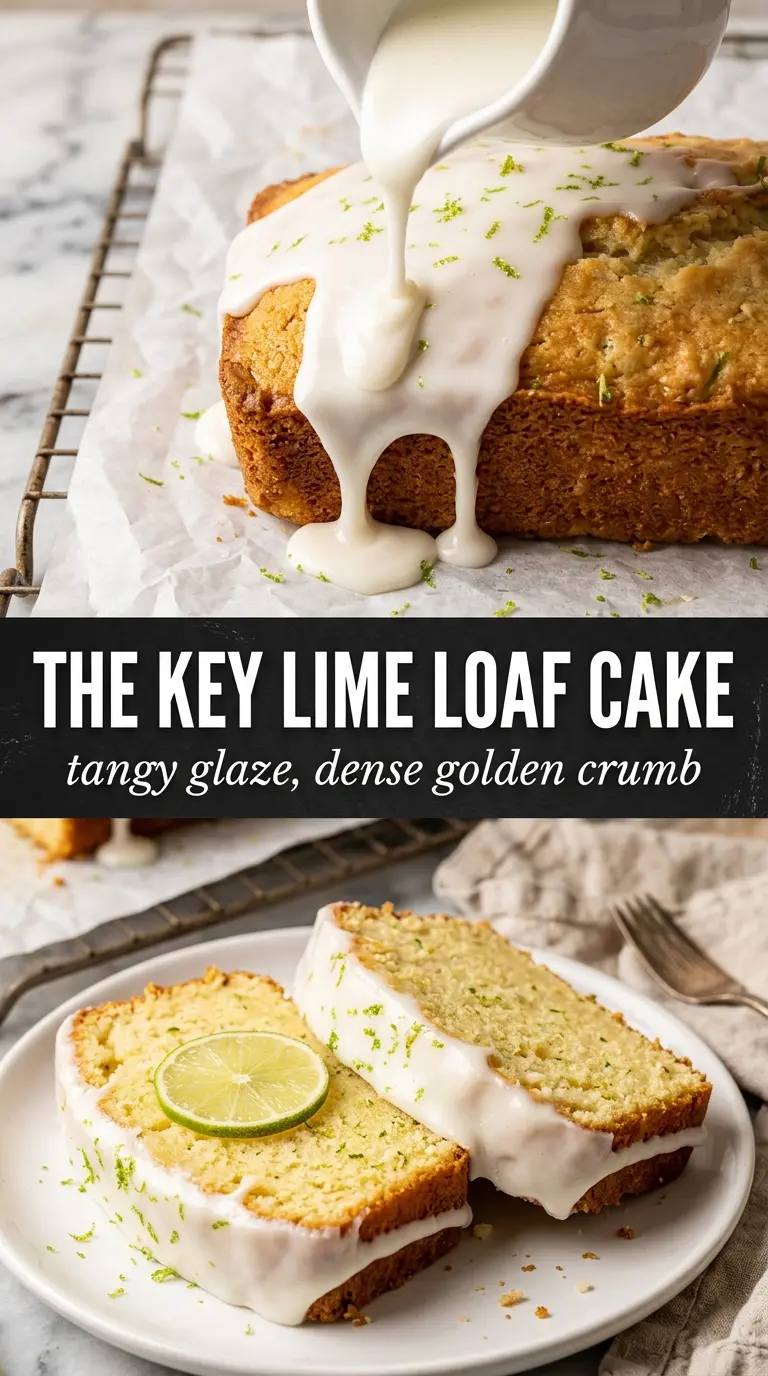
Dense, buttery pound cake gets a bright lift here from fresh key lime juice and zest, and that combination keeps every slice tasting clean instead of heavy. The crumb bakes up tight and tender, the kind that holds its shape when you cut it but still melts on the tongue once it hits your plate.
What makes this version work is the balance. Sour cream keeps the batter rich without turning it greasy, while the lime juice and zest go in at the end so the citrus stays sharp and fragrant. A Bundt pan gives the cake plenty of surface area for browning, which matters because pound cake should have a deep golden crust that tastes as good as the center.
Below you’ll find the small details that keep this cake from getting dry or sinking in the middle, plus a few smart swaps for when you want to lean more tangy, more polished, or just work with what you’ve got in the kitchen.
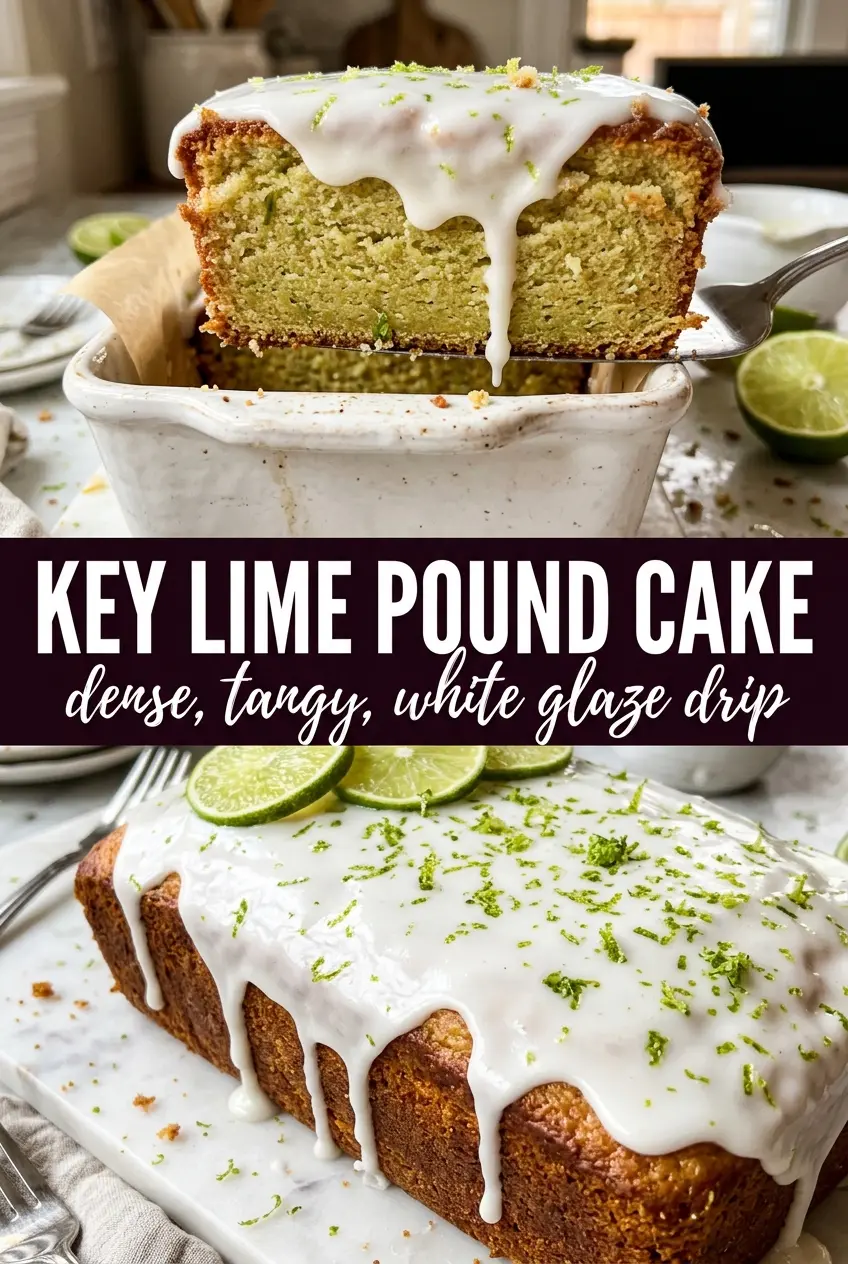
The glaze soaked into every ridge of the Bundt cake and the crumb stayed incredibly tender for days. I used fresh key limes and the citrus flavor came through without tasting too tart.
Save this key lime pound cake for the kind of dessert that bakes up tall, slices cleanly, and disappears fast under that tangy drizzle.
Why This Pound Cake Stays Dense Instead of Heavy
The difference between a pound cake that feels luxurious and one that turns leaden comes down to how the batter is mixed. You want the butter and sugar beaten until pale and airy, because that traps the lift this recipe gets before the flour ever goes in. Once the flour is added, stop treating it like cake batter you can whip into submission. Overmixing at that point builds structure in all the wrong ways and gives you a tight, tough slice.
The other thing that keeps this cake balanced is the order of additions. The sour cream and dry ingredients alternate, which keeps the batter smooth and prevents the butter from breaking. The key lime juice goes in at the end so its acidity brightens the crumb without fighting the emulsion while the cake is still being built.
- Butter and sugar — This is where the texture starts. Beat them long enough to look fluffy and lighter in color, not just combined.
- Sour cream — It adds moisture and richness without thinning the batter. Greek yogurt works in a pinch, but the crumb will be a little less plush.
- Key lime juice and zest — Juice brings the tang; zest brings the aroma. If you use bottled juice, the flavor will be flatter, even if the cake still bakes fine.
- Bundt pan — The shape helps the cake bake evenly and gives the glaze places to settle. Grease every crevice or the cake will cling in the corners.
What Each Ingredient Is Actually Doing in the Batter
- Butter — Use softened butter, not melted. Softened butter traps air when beaten with sugar, which gives the cake its lift and fine crumb.
- Granulated sugar — It sweetens, but it also helps whip air into the butter. Don’t cut it much or the texture turns less tender and the lime can taste harsh.
- Eggs — Add them one at a time so the batter stays smooth. If the mixture looks curdled after an egg goes in, it usually comes back together once you add flour.
- All-purpose flour — This cake needs regular flour for structure. Cake flour makes it softer, but it can also make the finished loaf a little fragile for a heavy glaze.
- Sour cream — Full-fat sour cream is worth using here. Low-fat versions add water, and that water works against the dense, velvety crumb you want.
- Fresh key lime juice and zest — Key limes are smaller and more aromatic than regular limes, so the flavor reads brighter and a little more floral. If you only have Persian limes, use them, but increase the zest a little to keep the citrus from tasting thin.
- Powdered sugar for the glaze — It melts into a smooth drizzle without grit. Granulated sugar won’t do the same job.
Building the Batter So the Cake Rises Evenly
Whipping the Butter Base
Start with butter that gives slightly when you press it, then beat it with the sugar until the mixture looks very pale and fluffy. This takes longer than most people expect, usually around five minutes, and that time matters because it’s the main source of air in the cake. If the butter is still cold in the center, the mixture stays grainy and won’t trap enough air.
Adding the Eggs Without Breaking the Mixture
Drop in one egg at a time and beat just until the yolk disappears before adding the next. The batter should look glossy and smooth, but not loose. If it starts to look separated, pause and scrape the bowl; cold eggs are usually the culprit, and letting them sit out for a few minutes before baking helps.
Alternating the Dry Ingredients and Sour Cream
Add the flour mixture and sour cream in three additions, starting and ending with the flour. That keeps the batter stable and prevents the dairy from overwhelming the butter base. Stop mixing as soon as the flour disappears. If you keep going, the cake bakes up tighter and loses that fine pound cake texture.
Finishing with Lime and Vanilla
Stir in the key lime juice, zest, and vanilla at the end so the citrus stays vivid. The batter will smell bright and creamy, and that’s your cue that everything is in the right place. Scrape the bowl once more before pouring it into the pan so the last bits at the bottom don’t end up unevenly flavored.
Three Ways to Adjust the Lime Without Losing the Cake
Use regular limes when key limes aren’t available
Persian limes will work, but the cake will taste a little less floral and a little more straightforward. Add a bit more zest if you can, because the juice alone won’t give the same perfume that key limes bring.
Make it dairy-free with the right swap
Use a plant-based butter that bakes well and a thick dairy-free yogurt in place of the sour cream. The cake will still be tender, but it won’t have quite the same rich, classic pound cake finish.
Turn the glaze into a thinner drizzle
Add a little more lime juice, a teaspoon at a time, until the glaze falls off the spoon in ribbons. A thinner glaze soaks deeper into the cake ridges, while a thicker one sits on top and gives a sweeter finish.
Storage and Reheating
- Refrigerator: Store covered for up to 5 days. The crumb stays moist, though the glaze will soften a little after the first day.
- Freezer: This cake freezes well without the glaze. Wrap the cooled cake tightly, then freeze for up to 2 months. Glaze after thawing for the cleanest finish.
- Reheating: Let slices come to room temperature or warm them very briefly in the microwave. Long reheating dries pound cake out fast, especially once it’s glazed.
Questions I Get Asked About This Recipe
Key Lime Pound Cake
Ingredients
Equipment
Method
- Preheat the oven to 325°F, then grease and flour a Bundt pan for easy release.
- Beat the butter and granulated sugar until very light and fluffy, about 5 minutes, scraping the bowl as needed.
- Add the eggs one at a time and mix just until incorporated after each addition.
- Alternately add the flour mixture (flour, baking soda, salt) and sour cream in 3 additions, stirring until smooth after each.
- Stir in the key lime juice, key lime zest, and vanilla extract until the batter looks evenly speckled.
- Pour the batter into the prepared pan and bake for 60-70 minutes, until a toothpick comes out clean.
- Cool the cake in the pan for 15 minutes, then invert to release.
- Whisk the glaze ingredients until smooth, with no visible sugar lumps.
- Drizzle the glaze over the completely cooled cake, letting it pool into cracks and crevices.
- Let the glaze set before slicing for cleaner cuts.