Crisp lettuce cups piled high with deeply browned beef and fresh Thai basil hit that sweet spot between fast weeknight dinner and something you actually look forward to eating. The beef gets glossy and savory, the basil stays bright and fragrant, and the cool lettuce keeps every bite light enough that you want another roll right away.
What makes these work is the order. The garlic and chilies go into hot oil first to perfume the pan, then the beef cooks long enough to pick up real caramelized edges before the sauce goes in. That last minute is where the magic happens: the oyster, soy, fish sauce, and brown sugar reduce into a sticky glaze instead of pooling at the bottom of the skillet.
Below you’ll find the timing that keeps the basil from turning dark and limp, plus a few smart swaps if you want to use what you already have on hand. I also included the one reheating trick that keeps the beef from tasting flat the next day.
The beef got those caramelized edges I usually only get at a good Thai spot, and the sauce clung to every bite instead of turning watery. I added the fried egg on top like suggested and it made the whole bowl feel complete.
Love the sticky, savory glaze on these Thai Basil Beef Rolls? Save it to Pinterest for the nights when you want fast lettuce cups with real caramelized flavor.
The Difference Between Stir-Fried Beef and a Proper Sticky Glaze
The biggest mistake with dishes like this is stopping too soon. If the beef only turns gray and the sauce gets added before the pan is hot enough, you end up with a soft, steamed mixture that tastes fine but never gets that deep savory edge. Here, the heat stays high from the moment the garlic hits the oil until the sauce has reduced and clings to the meat.
That caramelization matters more than extra seasoning. Browned beef brings its own flavor, and the sugar in the sauce only works if it has something hot to grab onto. If the pan looks crowded or the beef is releasing a lot of liquid, keep cooking until that liquid evaporates and the bits on the bottom start to darken slightly.
- Ground beef 80/20 — The fat helps the meat brown and carry the sauce. Lean beef works, but it won’t taste as rich unless you add a little extra oil and watch the pan closely so it doesn’t dry out.
- Thai basil — This is the ingredient that makes the dish taste like itself. Sweet Italian basil works in a pinch, but it loses that peppery, anise-like bite that balances the salty sauce.
- Fish sauce and oyster sauce — These are doing different jobs. Oyster sauce gives body and sweetness; fish sauce adds depth and salinity. If you only have soy sauce, the dish will still work, but it won’t have the same round, savory finish.
- Butter lettuce or romaine — Butter lettuce gives the softest, most cup-like bite. Romaine is sturdier and better if you want a crunchier wrap that holds up to a generous scoop of beef.
What Each Ingredient Is Actually Doing in This Recipe
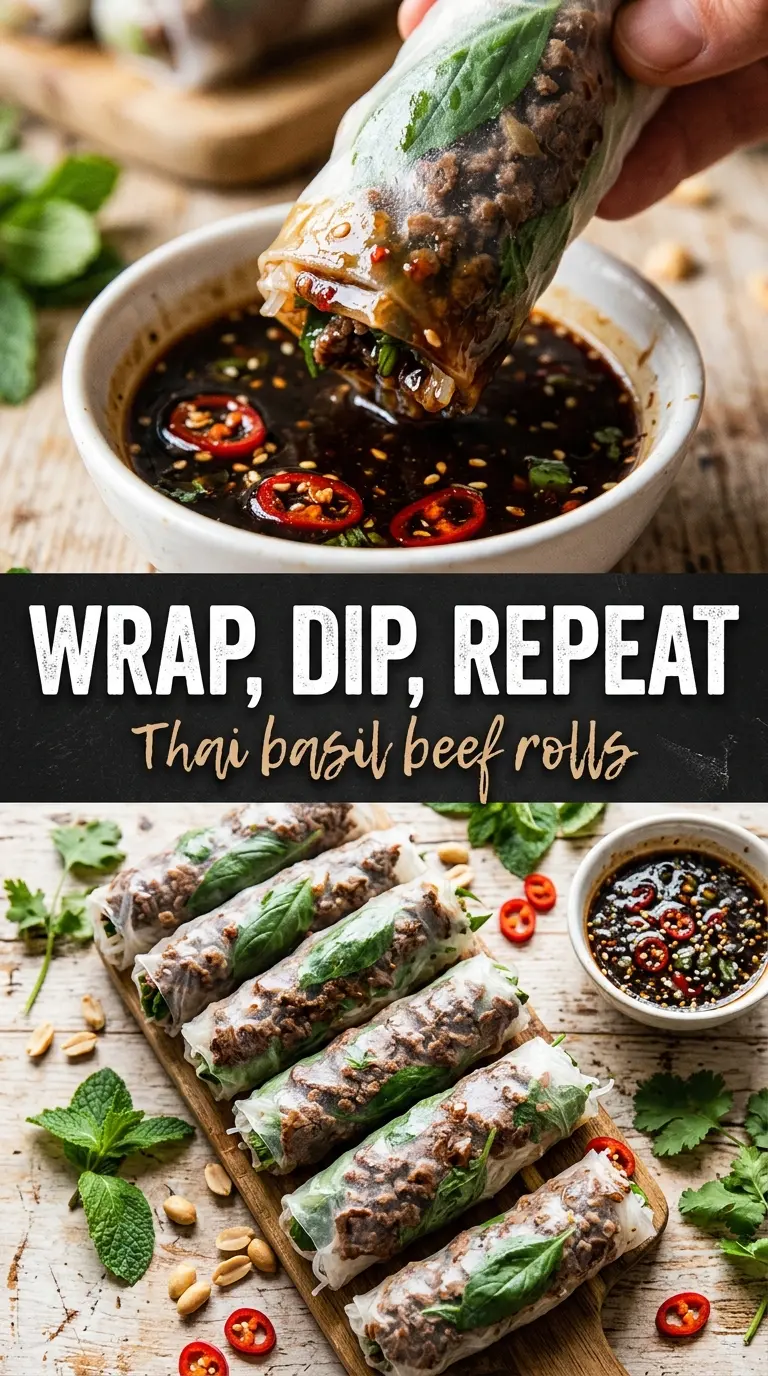
- Primary ingredient (the star) — Quality matters most. Choose the best you can find.
- Cooking medium (oil, butter, or broth) — This carries flavors and prevents dryness.
- Seasonings (salt, pepper, spices, herbs) — Layer flavors so nothing overpowers. Build depth gradually.
- Aromatics (garlic, onion, herbs) — Cook with fat to bloom flavors. Become the foundation.
- Supporting ingredients — Complement the main ingredient without overpowering it.
- Sauce or liquid (if applicable) — Brings flavors together. Balance richness with acid.
- Acid (lemon, vinegar, wine, or other) — Brightens and prevents flat-tasting results.
- Final finish (garnish, glaze, or sauce) — Prevents one-dimensional taste and adds visual appeal.
How to Get the Beef Glossy Without Overcooking the Basil
Mix the Sauce Before the Pan Gets Hot
Whisk the oyster sauce, soy sauce, fish sauce, and brown sugar together before you turn to the stove. That keeps the cooking fast once the beef is browned, and it also means the sugar starts dissolving right away instead of sticking in one sweet spot. If the sauce sits around too long, give it another stir before adding it so the sugar doesn’t settle at the bottom.
Brown the Garlic and Chilies in Hot Oil
Heat the oil until it shimmers and just starts to smoke, then add the garlic and chilies. They should sizzle hard and smell nutty within seconds. If the garlic browns too fast, the heat is too high for the pan you’re using; pull it off for a moment, then continue, because burnt garlic turns the whole dish bitter.
Cook the Beef Until the Bottom Turns Deep Brown
Break the ground beef apart, but don’t keep stirring every second. Let it sit long enough to form browned patches before you turn it over and break up the next side. If you move it constantly, it steams instead of sears, and you’ll miss the darker bits that make the sauce taste fuller.
Finish With Basil Off the Heat
Once the sauce has coated the beef and thickened slightly, remove the pan from the burner before adding the basil. Toss just until the leaves wilt and turn bright green. If you leave them on the heat too long, they go black and lose the fresh aroma that cuts through the rich beef.
What to Change When You Want a Different Bowl of the Same Dish
Make it gluten-free
Swap the soy sauce for tamari or coconut aminos. Tamari gives the closest flavor, while coconut aminos are a little sweeter and lighter, so you may want to reduce the brown sugar by a teaspoon if you use them.
Make it dairy-free and egg-free for a lighter bowl
The base recipe is already dairy-free. If you want to skip the fried eggs, serve the beef over lettuce with rice and extra lime instead. The dish still tastes complete because the sauce and basil carry the flavor, but you’ll lose the rich yolk that softens each bite.
Make it milder without losing the Thai basil flavor
Use one jalapeño instead of Thai chilies, or leave the chilies out entirely and finish with sliced red chili at the table. You’ll keep the savory-sweet base and the basil aroma, but the heat will sit in the background instead of leading the dish.
Store and reheat without flattening the flavor
- Refrigerator: Store the beef filling for up to 4 days. Keep the lettuce, rice, and toppings separate so they stay crisp and bright.
- Freezer: The beef filling freezes well for up to 2 months. Let it cool completely, then freeze it flat in a sealed container or bag for faster thawing.
- Reheating: Reheat the beef in a skillet over medium heat with a splash of water. Microwaving works in a pinch, but it can make the sauce taste dull and dry out the edges, so a pan gives you the best texture.
Answers to the Questions Worth Asking
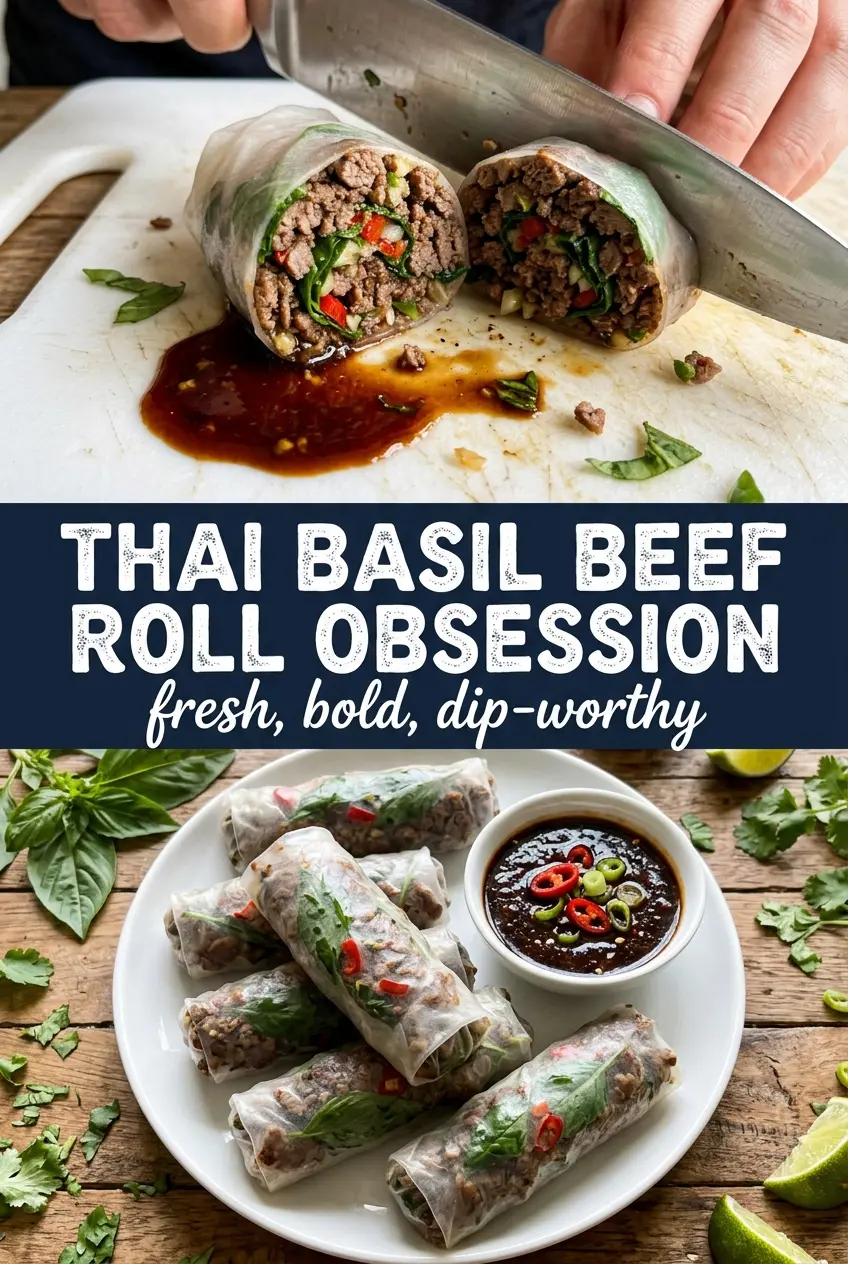
Thai Basil Beef Rolls
Ingredients
Equipment
Method
- Whisk oyster sauce, soy sauce, fish sauce, and brown sugar in a bowl until smooth and glossy. Set aside so it’s ready to pour when the beef is browned.
- Heat vegetable oil in a wok or large skillet over high heat until visibly smoking. Add garlic and chilies and stir-fry for 30 seconds, until fragrant.
- Add ground beef and cook over high heat, breaking it apart, for 5-6 minutes until deeply browned with caramelized edges. Drain any excess fat.
- Pour the sauce over the beef and toss to coat. Cook for 1-2 minutes, stirring, until the sauce caramelizes and turns sticky-glossy on the meat.
- Remove from heat and fold in fresh Thai basil until just wilted. Stop as soon as the leaves turn glossy green.
- Spoon the hot beef into butter lettuce or romaine leaves to form lettuce cups. Top with fried eggs and extra sliced red chili.
- Serve immediately with lime wedges alongside jasmine rice. Squeeze lime over the rolls just before eating.