Perfectly grilled salmon should come off the grate with crisp skin, clean grill marks, and flesh that flakes in big, moist pieces instead of drying out at the edges. The best version doesn’t need much beyond a short marinade and a hot grill, but those two things have to be handled with a little care or the fish either sticks, overcooks, or turns bland.
This version uses olive oil, lemon juice, garlic, and Dijon mustard to season the salmon without burying it. The mustard helps the marinade cling, the oil protects the surface, and the brief 15-minute rest is just long enough to season the fish without starting to cure it. That short window matters. Leave salmon in acid too long and the texture changes before it even hits the grill.
Below, I’ll walk through the part that matters most: getting the grates hot and oiled enough that the salmon releases on its own, plus the easiest way to judge doneness without guessing.
The skin crisped up beautifully and the salmon lifted off the grill without tearing. The Dijon-lemon marinade was light but gave the fish a bright, clean finish.
Save this grilled salmon for the nights when you want crisp skin, juicy flakes, and a fast marinade that doesn’t overpower the fish.
The Part That Stops Salmon From Sticking to the Grill
The biggest mistake with grilled salmon is turning it too soon. Once the skin hits a hot, clean grate, it needs time to sear and release. If you try to force it early, the skin tears and the fillet falls apart before the flesh has a chance to set.
Medium-high heat matters here because you want the surface to cook fast enough to develop color, but not so hot that the marinade burns before the center is done. The salmon also needs to be placed skin-side down first. That protects the flesh, helps the skin crisp, and gives you a more forgiving window if one fillet is thicker than the others.
- Skin-on salmon — The skin acts like a built-in shield on the grill. It helps hold the fillet together and gives you that crisp, savory layer that skinless salmon can’t match.
- Dijon mustard — This does more than add flavor. It helps the oil and lemon stay emulsified long enough to coat the fish evenly, which is why the seasoning clings instead of sliding off.
- Lemon juice — A little brightens the salmon, but the short marinating time is important. Too much time in acid and the surface starts to firm up in an unpleasant way before cooking.
- Fresh dill — Use it at the end, not in the marinade, so its fresh anise-like flavor stays clean and lively instead of going dull over heat.
What Each Ingredient Is Doing on the Grill
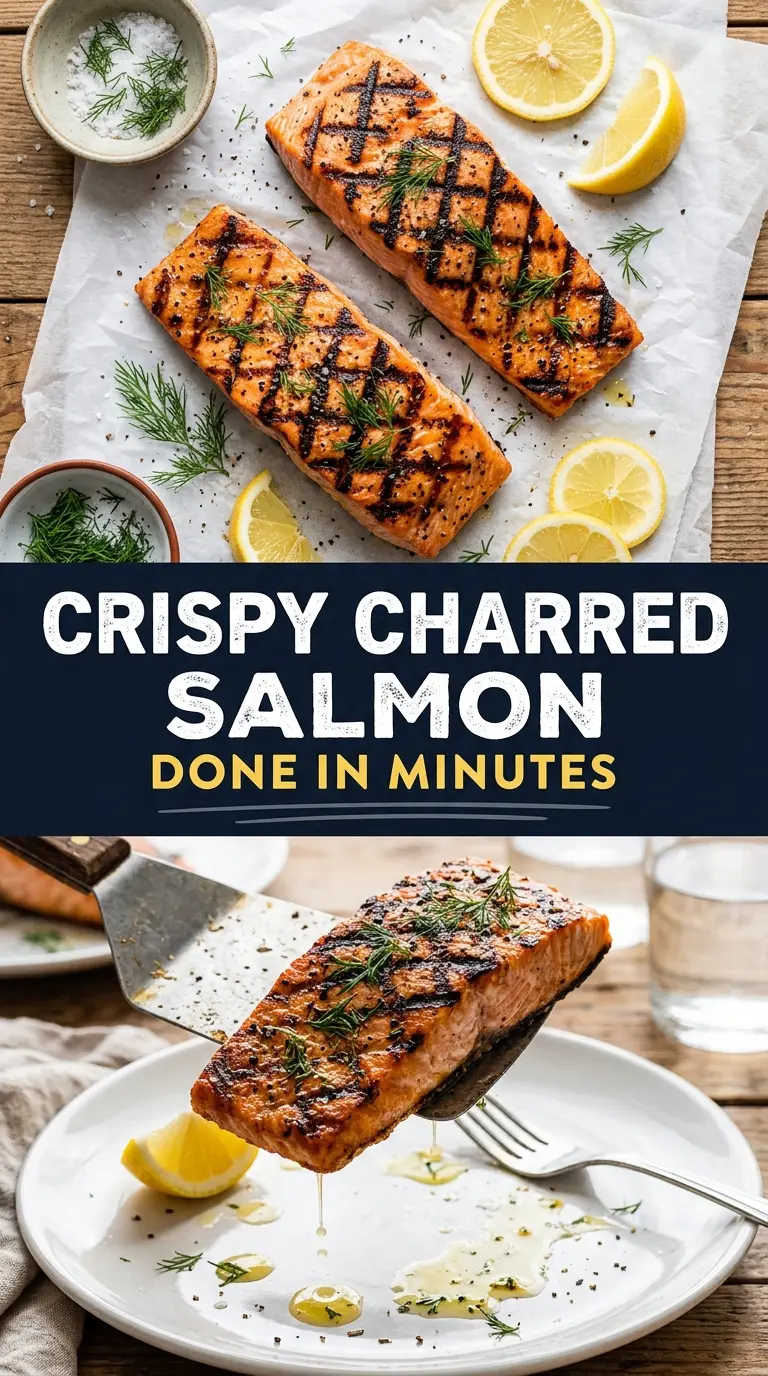
The olive oil coats the salmon and helps the surface brown instead of drying out. It also carries the garlic and Dijon across the fish so every bite gets seasoning, not just the top. Use a decent oil here, but it doesn’t need to be fancy.
Garlic should be minced fine so it doesn’t burn on the grill grates or sit in harsh little chunks on the finished fish. The mustard can be the standard yellow or Dijon-style you already keep in the fridge, but Dijon gives a deeper, sharper edge that works better with salmon. If you’re out of dill, parsley is the safest substitute, though it won’t give the same herbal lift.
Getting the Salmon From Raw to Just-Set
Mixing the Marinade
Stir the olive oil, lemon juice, garlic, Dijon mustard, salt, and pepper until the mixture looks slightly thickened and glossy. That means the mustard has helped it come together enough to coat the fish. Brush it over the salmon and let the fillets sit for 15 minutes, no longer. If they sit much longer, the lemon starts changing the surface texture before the heat does.
Heating and Oiling the Grates
Preheat the grill to medium-high and oil the grates well before the salmon goes on. The grates should be hot enough that the fish sizzles immediately, but not so blistering that the marinade scorches on contact. A clean, well-oiled grate is the difference between a fillet that lifts cleanly and one that leaves half its skin behind.
Cooking Skin-Side Down First
Set the salmon skin-side down and don’t move it for 6 to 8 minutes. You want the skin to crisp and the flesh on the bottom to turn opaque about halfway up the fillet. If the salmon clings to the grate, it usually needs another minute; when it’s ready, it releases naturally. That’s your cue, not the clock alone.
Finishing the Flip
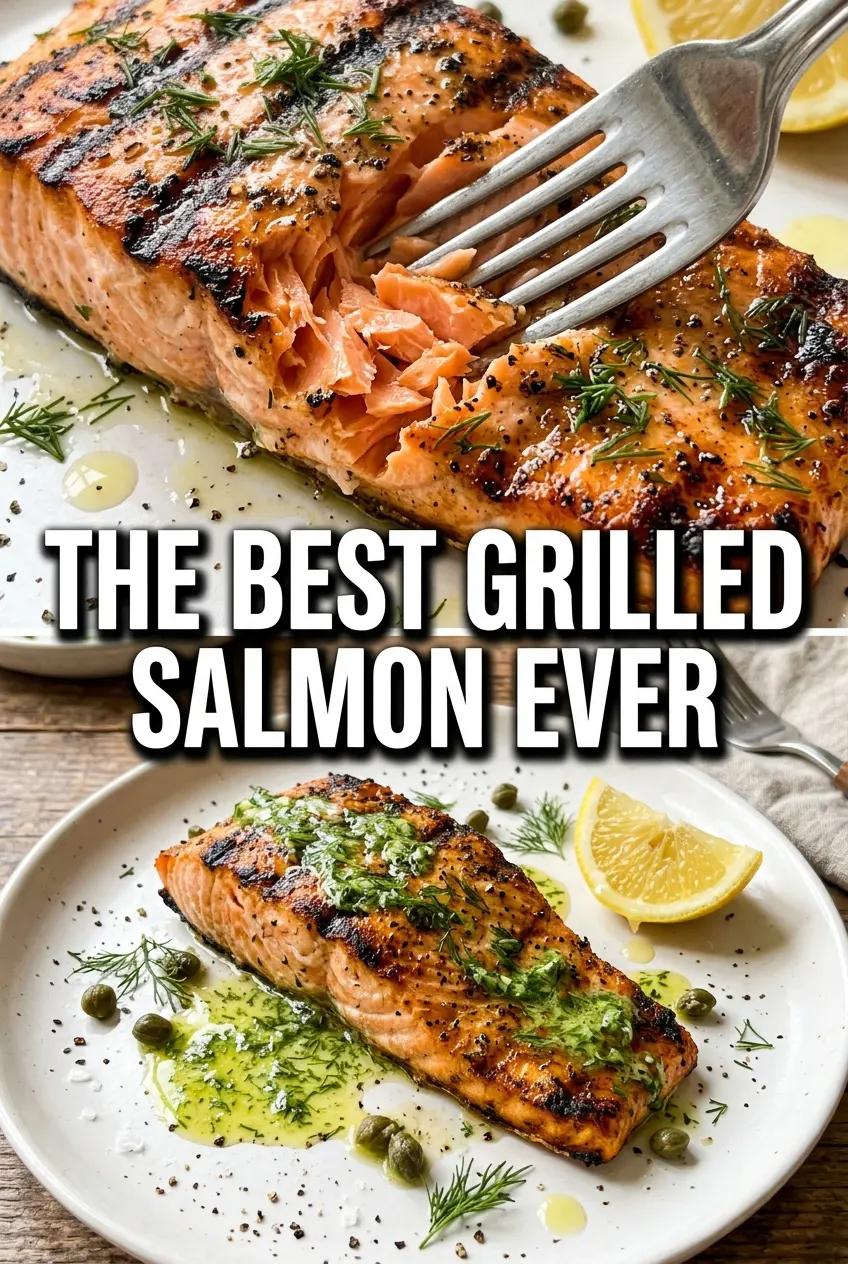
Turn the salmon carefully and grill the second side for 2 to 3 minutes, just until the center reaches your preferred doneness. The fish should flake with a fork but still look moist in the middle. Pull it off a little early if you like a softer center, because carryover heat will keep cooking it while it rests. Finish with dill and lemon wedges right before serving so the bright flavors stay fresh.
How to Adapt Grilled Salmon Without Losing the Good Part
Dairy-Free and Naturally Gluten-Free
This recipe already fits both needs without changes, which is part of why it works so well for a crowd. Just keep an eye on any seasoning blends you add on the side and stick with plain mustard and spices rather than pre-mixed sauces that can hide flour or dairy.
No-Grill Oven Broiler Version
Set the salmon skin-side down on a well-oiled sheet pan and broil it a few inches from the heat. You’ll lose the smoky grill flavor, but you’ll still get good browning and a juicy center. Watch closely, because broilers go from browned to burned in a minute.
Swap the Herb at the End
Dill gives the cleanest match, but parsley, chives, or tarragon all work in different ways. Parsley keeps things mild, chives add a gentle onion note, and tarragon turns the dish a little more aromatic and assertive. Use the herb as a finishing touch so it stays bright.
If Your Fillets Are Thicker or Thinner
Thicker salmon needs the full grilling time on the skin side before you even think about flipping. Thinner pieces may only need a few minutes total and can dry out fast, so use color and texture instead of forcing them to match the clock exactly. The center should still look slightly glossy when you pull it.
Storage and Reheating
- Refrigerator: Store leftovers in an airtight container for up to 2 days. The skin softens, but the salmon stays good for bowls, salads, or quick lunches.
- Freezer: It freezes, but the texture is never as good after thawing. If you do freeze it, wrap it tightly and use it within 1 month for the best chance of keeping it from drying out.
- Reheating: Warm it gently in a low oven, covered loosely with foil, just until heated through. High heat dries salmon out fast, and the skin won’t re-crisp well once it’s chilled.
Questions I Get Asked About This Recipe
The Best Grilled Salmon
Ingredients
Equipment
Method
- In a bowl, mix olive oil, lemon juice, minced garlic, Dijon mustard, salt, and pepper until combined.
- Brush the marinade over the salmon fillets, then let them sit for 15 minutes to marinate.
- Preheat the grill to medium-high heat and oil the grates well so the skin crisps without sticking.
- Place salmon on the grill skin-side down and close the lid if possible.
- Grill for 6-8 minutes skin-side down without moving, until the edges look set and you see grill marks.
- Carefully flip the salmon and grill for 2-3 minutes until cooked to your desired doneness.
- Transfer salmon to plates and serve immediately with fresh dill and lemon wedges.