Blackstone fries come off the griddle with crisp, bronzed edges and soft centers, and that contrast is exactly why they disappear fast. The butter hits the hot surface with the oil, the potatoes pick up seasoning right away, and the fries get that seasoned, diner-style finish you can’t get from a baking sheet alone.
The big difference here is keeping the potatoes dry and giving them enough contact with the griddle to actually brown. If the fries go down wet, they steam. If they get stirred too early, they never develop that crackly crust. A short soak pulls off surface starch, and the dry-off afterward is what lets the heat do its job.
Below, I’ve laid out the small details that matter most, plus a few ways to change up the seasoning or make the fries work with the dip you already have on hand.
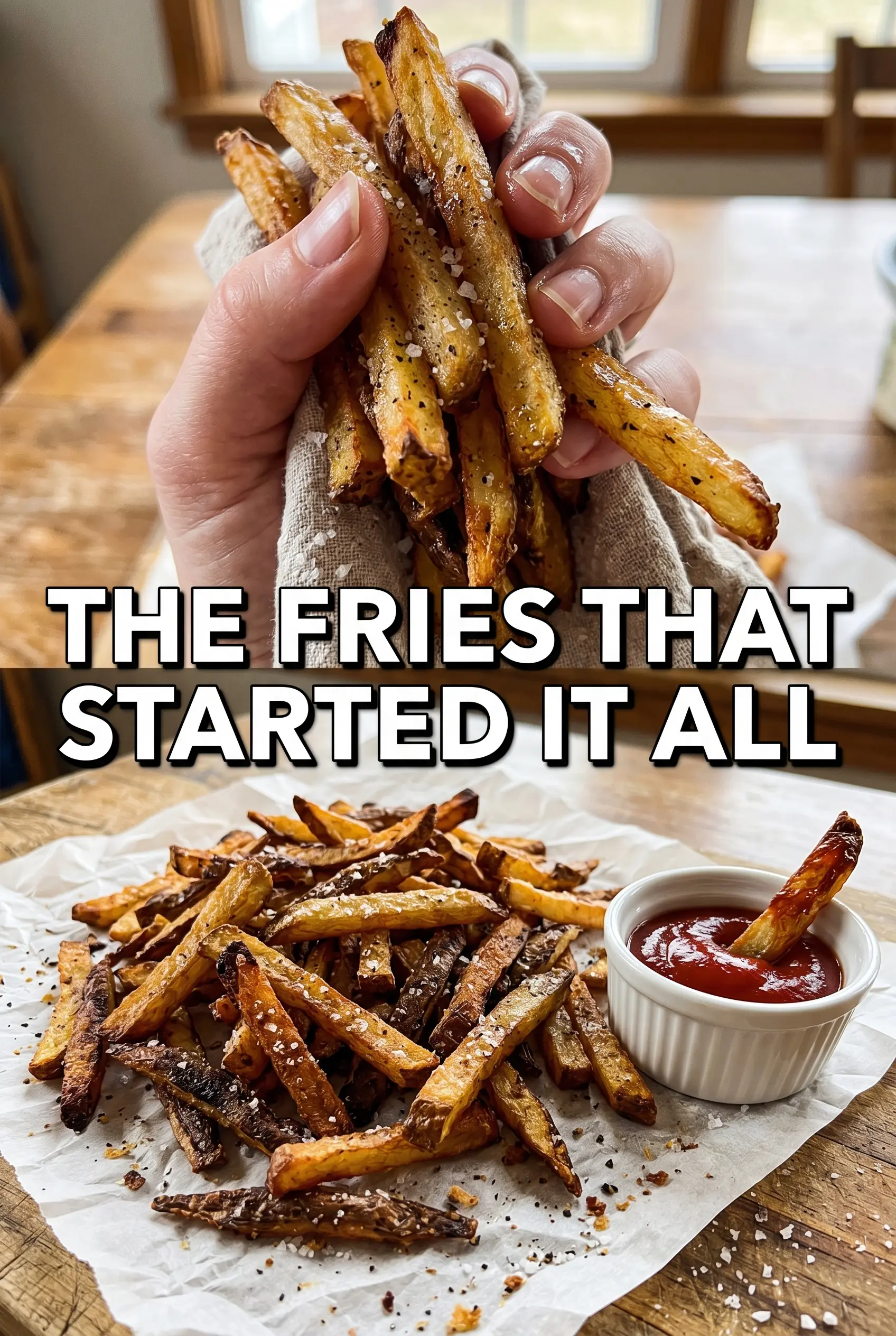
I’ve made fries on a sheet pan for years, but the Blackstone gave me crisp edges all over instead of soggy bottoms. The butter and spices stuck right on and they were gone before I got the ketchup out.
Save these Blackstone fries for the nights when you want crisp, buttery griddle fries with a smoky seasoning finish.
The Part Everyone Gets Wrong: Letting the Fries Sit Still
The biggest mistake with griddle fries is moving them too soon. Once the potatoes hit the hot surface, they need uninterrupted time to build a crust. If you keep tossing them, they’ll soften before they brown, and you end up with pale fries that taste cooked but never crisp.
Medium-high heat is the sweet spot here. Hot enough to brown the outsides, not so hot that the butter burns before the potatoes get color. The oil keeps the butter from scorching too quickly, and that combination gives you a richer finish than oil alone.
- Dry potatoes — Any moisture on the surface turns into steam on the griddle. After soaking, pat them until they feel dry to the touch, not just drained.
- Russet potatoes — Their starch content gives you a fluffier center and a better crust than waxy potatoes can manage.
- Butter plus oil — Oil raises the smoke point, while butter adds flavor. Use both, because butter by itself can brown too fast on a Blackstone.
- Seasoning after cooking — Garlic powder and paprika stick better once the fries are hot and slightly greasy from the griddle.
What Each Ingredient Is Doing on the Griddle
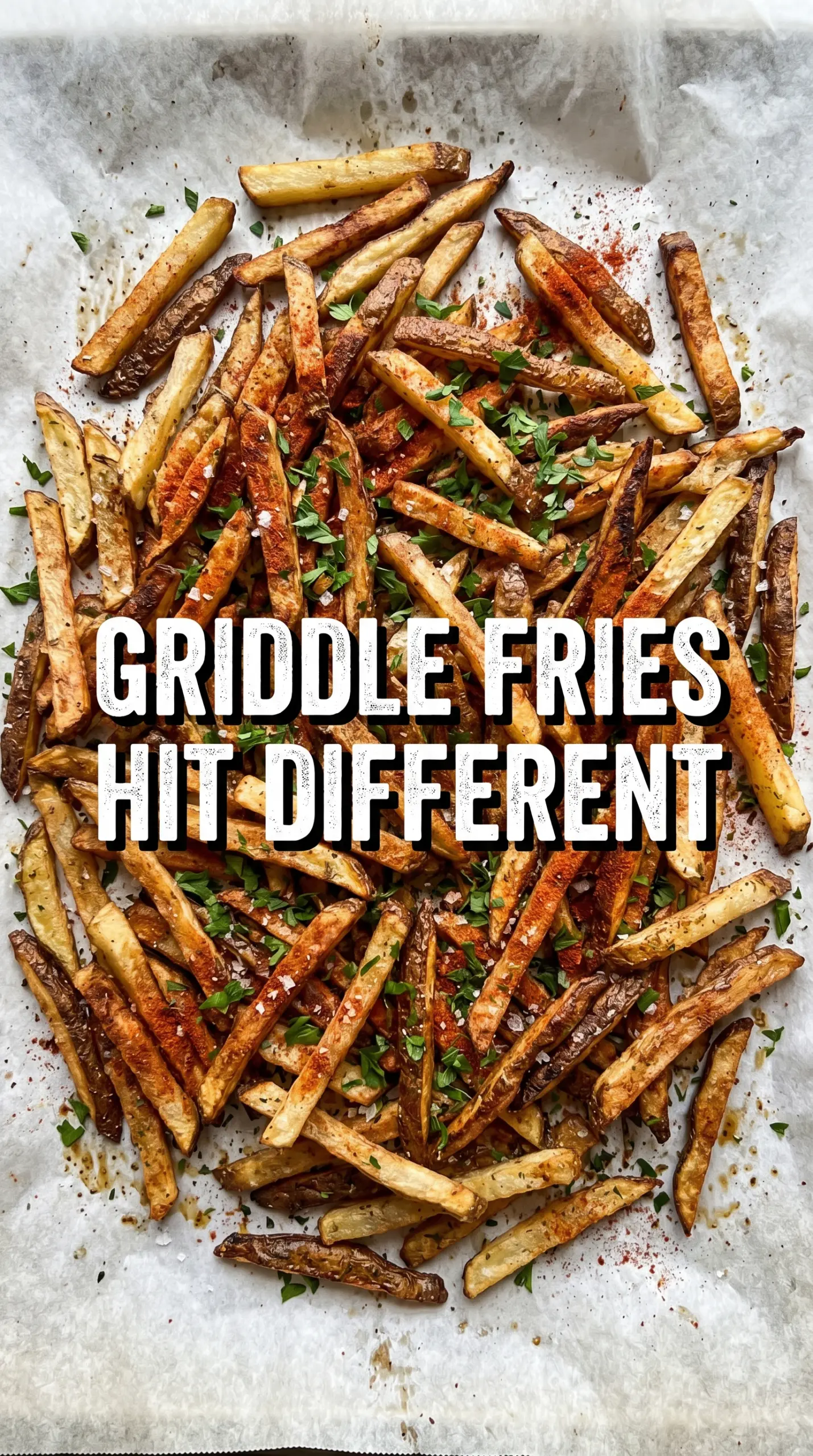
- Russet potatoes — These are the right choice for fries because they fry up fluffy inside and crisp on the outside. Slice them evenly so they cook at the same pace.
- Vegetable oil — This gives you the high-heat base that keeps the fries from sticking and helps the surface brown evenly. Any neutral oil with a similar smoke point will work.
- Butter — Butter adds the griddle-fry flavor that makes these taste like something from a favorite roadside stand. If you skip it, the fries still work, but they lose that rich finish.
- Garlic powder, paprika, and onion powder — This seasoning blend clings well to hot fries and gives you a savory, smoky coating without making the fries wet. Fresh garlic isn’t the move here because it can burn before the potatoes finish.
- Fresh parsley — It’s not just garnish. The fresh herb cuts through the butter and makes the fries look and taste finished.
From Raw Potatoes to Crispy Edges Without Burning the Butter
Soaking and Drying the Potatoes
Cut the potatoes into even 1/4-inch fries, then soak them in cold water for 10 minutes to pull off some surface starch. That step helps the fries crisp instead of clumping or sticking together. The dry-off matters even more than the soak: if they go onto the griddle damp, the outside steams before it browns. Pat them thoroughly and don’t rush this part.
Heating the Griddle Base
Heat the Blackstone to medium-high, then add the oil and butter together. You want the butter melted and foaming, not browned and smoky. If the griddle is too cool, the fries absorb fat instead of searing. If it’s too hot, the butter can turn bitter before the potatoes get color.
Building the First Side
Spread the fries in a single layer and leave them alone for 8 to 10 minutes. This is where the crust forms. You’re looking for the bottoms to turn deeply golden at the edges before you flip. If they stick, give them another minute; forcing them too early tears off the crust you just built.
Finishing and Seasoning
Flip the fries and cook for another 8 to 10 minutes until they’re golden and crisp on all sides. Season them immediately while they’re hot so the garlic powder, paprika, onion powder, salt, and pepper cling to the surface. Toss with chopped parsley and serve right away with ketchup or whatever dipping sauce you like best.
How to Change the Seasoning Without Losing the Crunch
Cheesy Griddle Fries
Add finely grated Parmesan right after the fries come off the griddle. The heat helps it cling without turning the fries soggy, and you get a salty, nutty finish that works especially well with ranch or garlic dip.
Spicy Paprika Fries
Swap half the paprika for smoked paprika and add a pinch of cayenne. That gives the fries a deeper, warmer heat without changing the crisp texture. Keep the cayenne light, because too much spice can overpower the buttery finish.
Dairy-Free Fries
Use all oil instead of butter and add a small extra pinch of salt at the end to replace some of the richness you lose. The fries will still crisp well, but they’ll taste a little cleaner and less rounded than the buttered version.
Air Fryer Potato Wedges From the Same Prep
If you don’t have a griddle, use the same soak-and-dry method and cook the fries in an air fryer in a single layer. You won’t get the same buttery griddle flavor, but you’ll still get crisp edges if you don’t overcrowd the basket.
Storage and Reheating
- Refrigerator: Store leftovers in an airtight container for up to 3 days. They’ll soften a bit as they sit.
- Freezer: Fries freeze, but the texture drops after thawing. For the best result, freeze them in a single layer, then reheat from frozen on the griddle or in a hot oven.
- Reheating: Reheat in a hot skillet, on the Blackstone, or in a 425°F oven until the edges crisp again. The common mistake is microwaving them first, which turns the outside rubbery before the fries have a chance to re-crisp.
Questions I Get Asked About This Recipe
Blackstone Fries
Ingredients
Equipment
Method
- Cut the russet potatoes into 1/4-inch thick fries and soak them in cold water for 10 minutes.
- Drain and pat the fries completely dry before cooking so they crisp instead of steam.
- Heat the griddle to medium-high, then add the vegetable oil and butter until shimmering.
- Spread the fries in a single layer and cook for 8-10 minutes without moving, until steam is visible and the bottoms start to set.
- Flip the fries and cook another 8-10 minutes until golden and crispy on all sides.
- Season immediately with garlic powder, paprika, onion powder, salt, and pepper while the fries are hot.
- Garnish with fresh parsley and serve right away with ketchup and other dipping sauces.