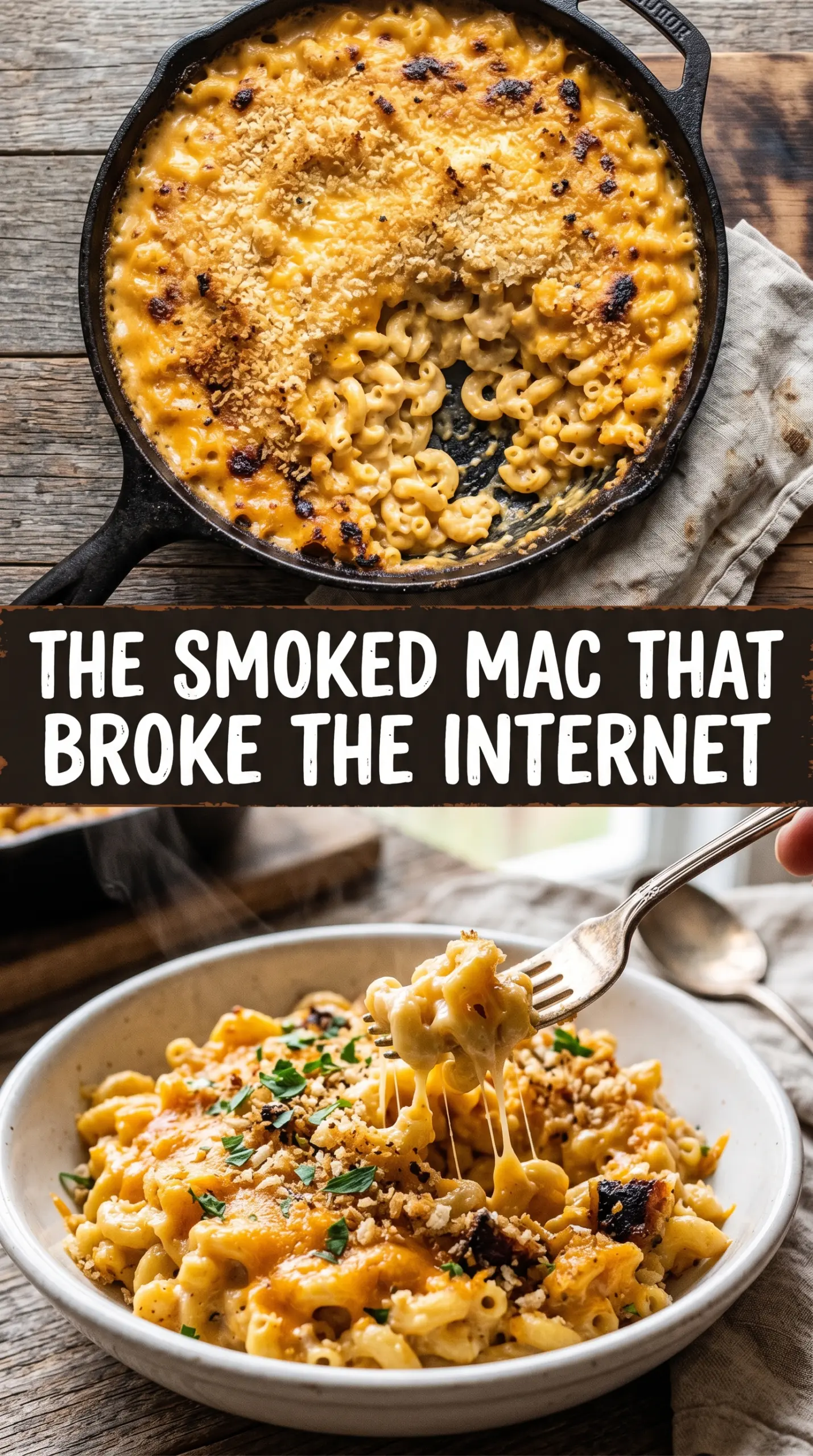
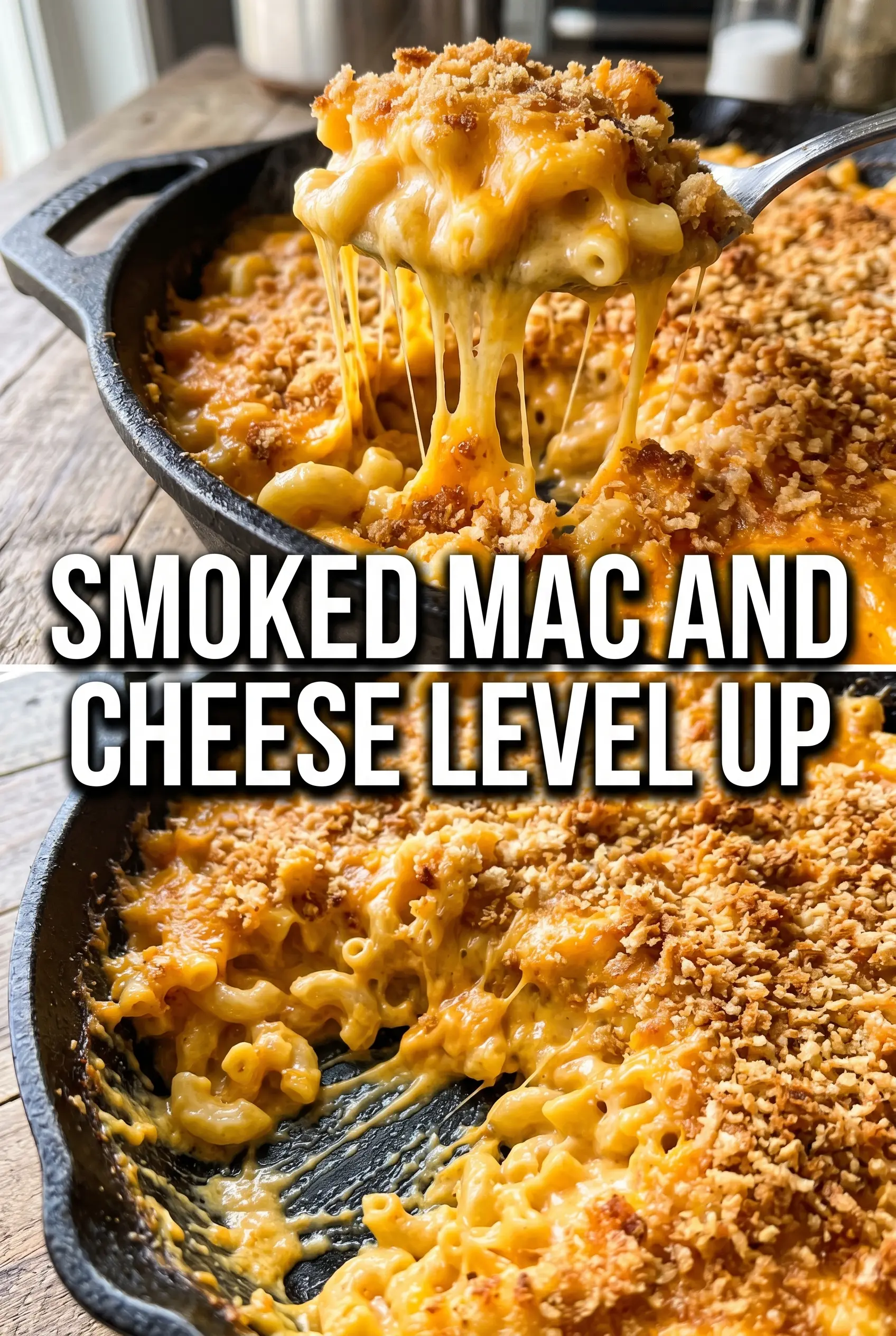
Smoked mac and cheese lands on the table with a creamy center, a bronzed breadcrumb top, and just enough smoke to make every bite taste like it came straight off the pit. The pasta stays tender without turning mushy, and the cheese sauce holds together in a way that makes sense for a smoker-side dish instead of falling into a greasy puddle. That balance is what keeps this one in the regular rotation.
The trick is keeping the sauce smooth before it ever meets the smoker. A quick roux gives the milk and cream something to cling to, and the blend of sharp cheddar and Gouda brings both bite and melt without turning stringy. The panko topping adds the crunch you want, but it only works if it goes on with melted butter so it browns instead of drying out.
Below you’ll find the small details that matter here: which cheese actually earns its spot, how to keep the smoke from overpowering the sauce, and what to watch for during the last stretch so the top turns golden without the edges going grainy.
The sauce stayed silky in the smoker and the top crisped up without drying out. I used hickory, and the smoke came through just enough without taking over the cheese.
Save this smoked mac and cheese for your next BBQ when you want a creamy center and a crisp panko top from the smoker.
The Mistake That Turns Smoked Mac and Cheese Grainy
Once cheese sauce breaks, there’s no saving the texture completely. The usual culprit is heat that’s too high when the cheese goes in. The milk and cream can take it, but the cheese proteins tighten up fast and start separating if the pan is still roaring on the burner. Pull the pan off the heat before adding the cheese and stir until it melts in with a glossy finish.
The smoker can also work against you if the dish starts out too hot or sits in there too long. You’re not cooking raw pasta here; you’re warming everything through, letting the smoke season the pan, and crisping the top. That means the sauce should be fully finished before it hits the smoker, and the pasta should already be cooked to just shy of tender so it doesn’t go soft during the finish.
- Keep the heat low once the dairy goes in. That protects the emulsion and keeps the sauce smooth.
- Use shredded cheese, not pre-cut blocks with anti-caking powder. It melts cleaner and faster.
- Smoke at 225°F, not hotter. Higher heat dries the edges before the center is set.
- Let it rest after smoking. The sauce thickens as it sits, and cutting in too soon makes it runny.
What Each Cheese Is Doing in the Pan
Sharp cheddar gives you the bold cheese flavor and the classic orange color people expect from mac and cheese. It also helps the sauce set up with a little more body once it cools. Buy a block and shred it yourself if you can, because pre-shredded cheddar can turn the sauce slightly waxy.
Gouda melts into the sauce with that smooth, almost velvety finish that cheddar alone can’t give. It softens the sharper edge of the cheddar and makes the whole dish taste rounder. If you can’t find Gouda, Monterey Jack works, but you’ll lose some of the deep, buttery note.
Whole milk and heavy cream do different jobs here. The milk keeps the sauce from feeling heavy, while the cream adds the richness that stands up to smoke. Using all milk makes the sauce thinner; using all cream makes it a little too dense once it cools.
- Butter and flour build the roux that keeps the dairy stable. Don’t rush this part; the flour needs a minute to lose its raw taste.
- Garlic powder and onion powder add background savoriness without cluttering the smoky flavor.
- Panko and melted butter are what give you that crisp top. Dry crumbs won’t brown evenly in the smoker.
Building the Pan So the Center Stays Creamy
Starting the Roux
Melt the butter in a saucepan, whisk in the flour, and let it bubble for a minute or two until it smells a little nutty. That short cook time takes the raw edge off the flour and keeps the sauce from tasting pasty. If the roux looks greasy, the heat is too low and the flour hasn’t absorbed the butter yet.
Whisking in the Dairy
Add the milk and cream slowly while whisking, especially at first. The sauce should look thin before it thickens; that’s normal, and it usually happens right after it comes back to a gentle simmer. If you dump the dairy in too fast, you’ll get lumps that are harder to smooth out later.
Melting the Cheese Without Breaking It
Take the pan off the heat before the cheese goes in, then add it in handfuls, stirring each addition until melted. The sauce should turn glossy and thick, not stretchy or oily. If it starts to look grainy, the pan was too hot. Stop stirring in more cheese, pull it off the burner, and work it back down with a splash of warm milk if needed.
Smoking to Finish
Transfer the pasta and sauce to a disposable aluminum pan, then spread the panko mixture over the top in an even layer. Smoke at 225°F until the edges bubble and the top turns deep golden, usually 60 to 90 minutes. If the top is browning too fast, loosely tent it with foil for the rest of the cook so the center can catch up.
Make It Sharper or Milder
Swap half the cheddar for extra-sharp cheddar if you want a louder cheese flavor, or use mild cheddar for a gentler, creamier finish. The sharper version tastes more pronounced against the smoke; the milder version feels softer and a little more kid-friendly.
Go Gluten-Free Without Changing the Texture Much
Use a 1:1 gluten-free flour blend in the roux and swap in gluten-free pasta. The sauce will still thicken properly if the flour blend contains starch, and the pasta should be cooked just to al dente so it doesn’t break down during smoking.
Add Bacon or Pulled Pork for a BBQ Main Dish
Fold in cooked bacon or chopped pulled pork before it goes into the pan. Bacon adds salty crunch; pulled pork turns this into a hearty side that eats like a full meal. Keep the amount moderate so the pasta still holds the sauce instead of getting crowded out.
Dairy-Free Version
Use plant-based butter, unsweetened oat milk, a rich unsweetened non-dairy cream, and a dairy-free shred that melts well. The texture will be a little less lush than the original, but a good melting cheese alternative still gives you a creamy finish and a browned top.
Storage and Reheating
- Refrigerator: Store covered for up to 4 days. The pasta will absorb some sauce, so the texture gets thicker by the next day.
- Freezer: It freezes best before smoking, but the finished dish can be frozen in portions for up to 2 months. The sauce may separate slightly after thawing, so expect a softer texture.
- Reheating: Warm it covered in a 300°F oven with a splash of milk until heated through. The common mistake is blasting it in the microwave uncovered, which dries out the edges and turns the sauce stiff.
Answers to the Questions Worth Asking
Groark Boys BBQ Smoked Mac and Cheese
Ingredients
Equipment
Method
- Prepare your smoker to 225°F with your choice of wood until it comes to a steady temperature (aim for visible, light smoke).
- Arrange a disposable aluminum pan so it’s ready for assembly before the cheese goes in.
- Melt the butter over low-to-medium heat until it’s fully liquefied.
- Add the flour and whisk for 1 to 2 minutes until smooth and lightly thickened.
- Whisk in the whole milk and heavy cream, then continue heating until the mixture is glossy and begins to thicken (about 3 to 5 minutes).
- Add the sharp cheddar and Gouda cheeses and whisk until fully melted and the sauce is thick and pourable.
- Stir in the garlic powder, onion powder, and salt and pepper until evenly distributed.
- Combine the cooked elbow macaroni with the cheese sauce in the disposable aluminum pan, stirring until every piece is coated.
- Mix the panko breadcrumbs with the melted butter, then sprinkle evenly over the top.
- Smoke at 225°F for 60 to 90 minutes until the mac and cheese is bubbly and the top is golden brown (look for active bubbling around the edges).
- Let the smoked mac and cheese rest for 10 minutes before serving so the sauce sets and slices cleanly.