Tender, bright, and deeply savory, this Greek chicken marinade turns plain chicken into something you’d happily serve with a pile of lemon wedges and a simple salad. The olive oil carries the garlic and oregano into the meat, while the lemon juice and zest give it that clean, sharp edge that makes each bite taste awake instead of heavy. It’s the kind of marinade that earns repeat use because it does one job well: it makes chicken taste seasoned all the way through, not just on the surface.
The balance matters here. Too much lemon for too long can make the exterior of the chicken a little dry or stringy, which is why the olive oil and timing are just as important as the herbs. Dijon is the quiet helper in the bowl; it doesn’t make the marinade taste like mustard, but it helps the mixture emulsify so the garlic, citrus, and oil cling better to the chicken. Four hours is enough for good flavor, and overnight gives you a deeper result without pushing the texture too far.
Below, I’m breaking down the ingredient roles, the part of the marinating window that actually changes the meat, and a few useful ways to adapt this if you’re working with different cuts or cooking indoors.
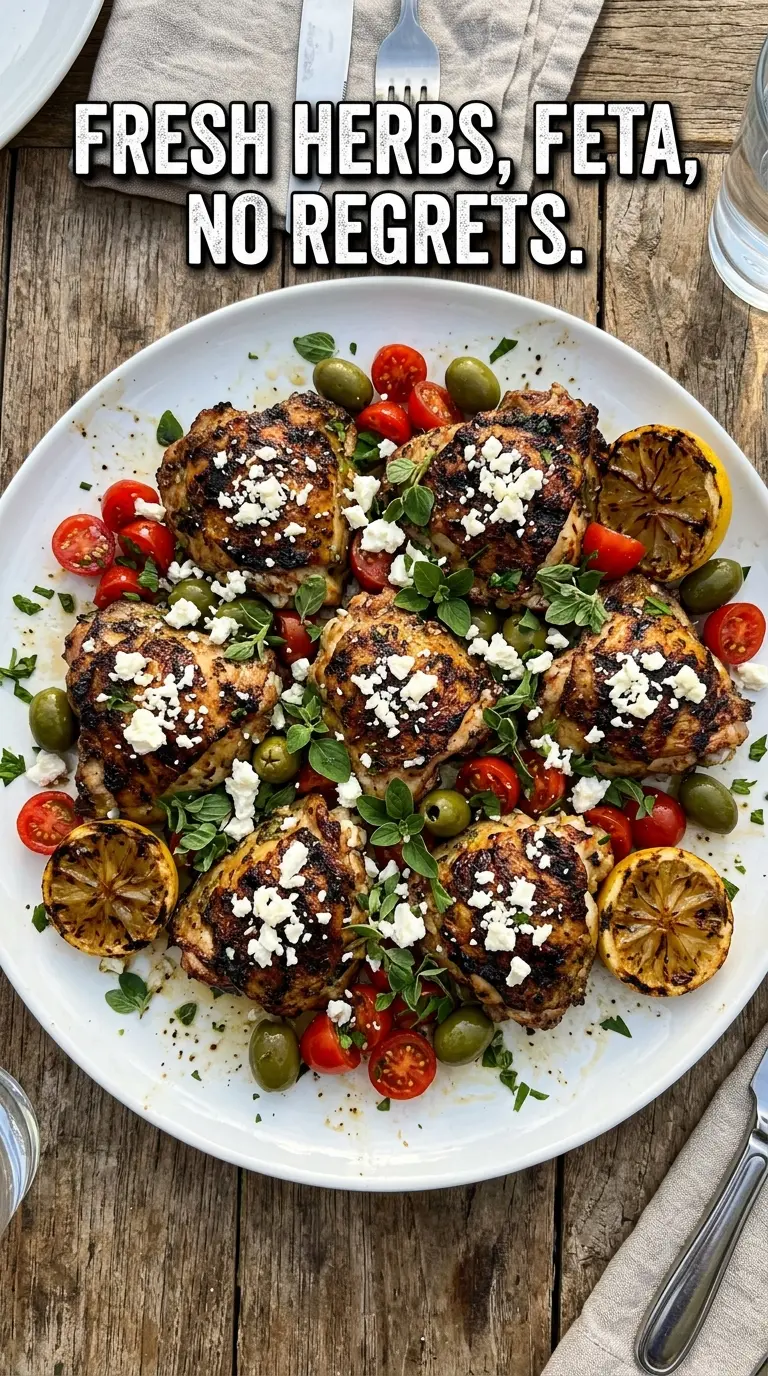
The marinade clung to the chicken beautifully, and after 6 hours the lemon and oregano flavor came through without making it sour. I grilled thighs, and they stayed juicy with great char marks.
Save this Greek chicken marinade for juicy grilled chicken with lemon, oregano, garlic, and a clean Mediterranean finish.
The Lemon Can Lead, but It Can’t Take Over
With a Greek-style marinade, the biggest mistake is treating lemon juice like a shortcut to flavor instead of an ingredient that changes texture. Acid helps season the chicken, but it also starts to firm up the outside if the meat sits too long. That’s why this version leans on olive oil, garlic, and herbs to do the heavy lifting, with the lemon providing brightness instead of turning the whole thing sharp.
Another thing that makes this work is the balance between fresh and dried herbs. Fresh oregano gives the marinade a greener, livelier smell, but dried oregano still holds up well if that’s what you’ve got. The Dijon mustard is there to help the marinade stay blended, especially once you whisk in the lemon juice. If it looks a little separated, that’s normal; just whisk again before pouring it over the chicken.
What Each Ingredient Is Actually Doing in the Bowl
- Olive oil — This carries the herbs and garlic across the chicken and keeps the surface from drying out on the grill. Use a decent everyday extra-virgin olive oil; the flavor comes through, but you don’t need your most expensive bottle here.
- Lemon juice and zest — Juice gives the marinade its brightness, while the zest brings the stronger lemon aroma that juice alone can’t provide. Don’t skip the zest if you want that classic Greek chicken smell the second it hits the grill.
- Garlic — Fresh minced garlic is worth using here because it perfumes the whole marinade. Jarred garlic can work in a pinch, but it tastes flatter and a little harsher after marinating.
- Oregano — This is the backbone of the flavor. Fresh oregano tastes cleaner and more vibrant, while dried oregano gives a more concentrated, earthy finish, so either works depending on what you have.
- Dijon mustard — You won’t taste mustard in the finished chicken, but it helps bind the marinade so the oil and citrus don’t separate immediately. It also gives the chicken a more even coating.
Marinate, Grill, Rest: The Part That Keeps the Chicken Juicy
Whisking the Marinade Until It Clings
Start with the lemon juice, zest, garlic, oregano, thyme, Dijon, salt, and pepper, then whisk in the olive oil slowly so the mixture looks slightly thickened and emulsified. That helps the garlic and herbs stay suspended instead of sinking to the bottom of the bag. If it separates after sitting, whisk it again before it goes on the chicken. The goal is a loose, glossy marinade, not a broken pool of oil with seasoning floating in it.
Letting the Chicken Take On Flavor
Put the chicken in a zip-top bag or a shallow dish and coat every piece evenly. Four hours gives you a noticeable lift in flavor, while 24 hours pushes it deeper, especially on thicker cuts like thighs or bone-in pieces. If you’re using chicken breasts, stay closer to the shorter end so the lemon doesn’t start to toughen the exterior. Turn the bag once or twice if you can, but don’t keep opening the fridge and fussing with it.
Grilling to the Right Internal Temperature
Preheat the grill to medium-high and scrape the grates clean so the chicken releases more easily. The marinade can cause flare-ups if there’s too much excess liquid clinging to the meat, so let the pieces drip for a moment before they hit the grates. Grill until the thickest part reaches 165°F, but use the cut as your guide: thighs can take a little longer and still stay juicy, while breasts go from done to dry fast. If the outside is browning too quickly, move the chicken to a cooler part of the grill and finish it there.
Resting Before You Slice
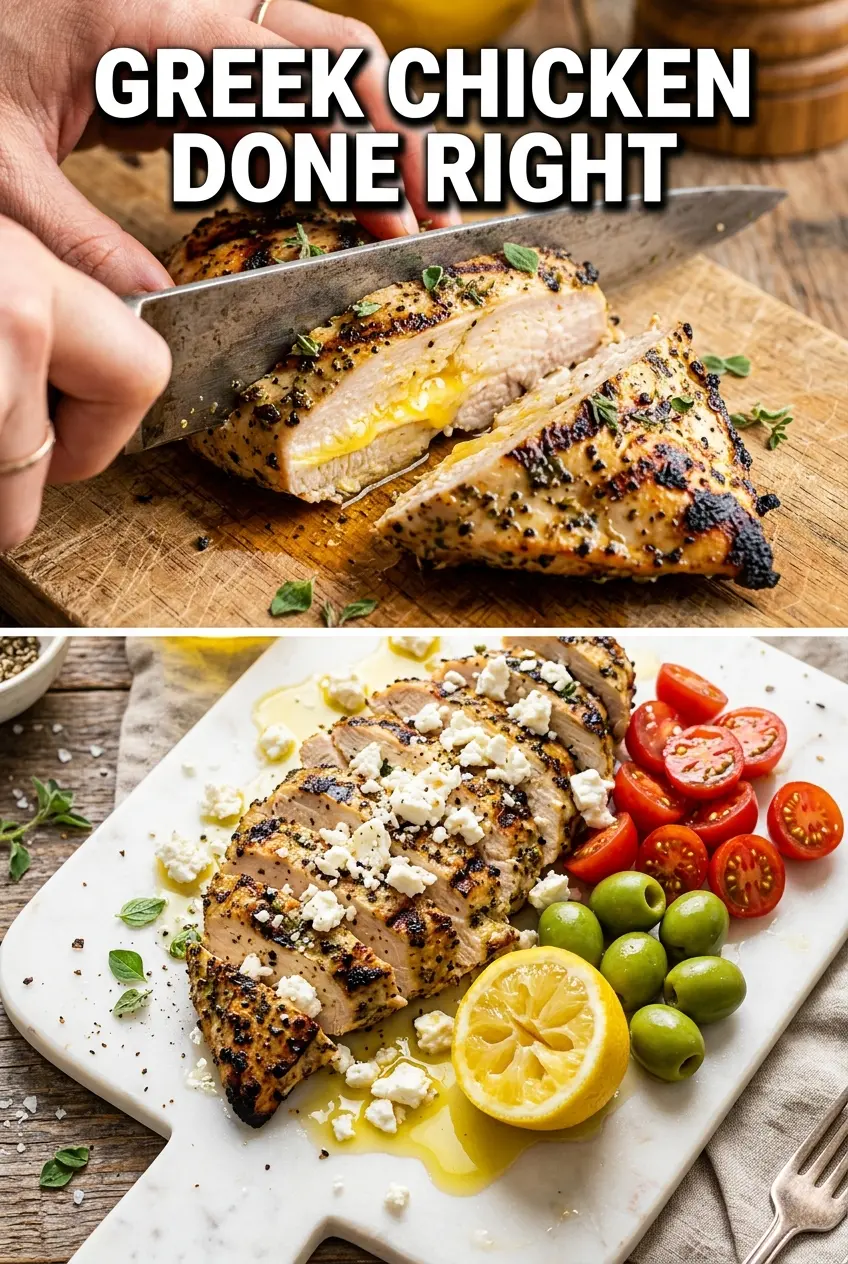
Give the chicken five minutes off the heat before cutting into it. That short rest lets the juices settle back into the meat instead of spilling onto the cutting board. If you slice immediately, the inside will look less juicy even if it’s cooked perfectly. Serve with fresh lemon wedges so anyone at the table can add a little more brightness at the end.
How to Adapt This Marinade for Different Chicken Cuts and Cooking Methods
For chicken thighs, use the full marinating window
Thighs handle the lemon and garlic beautifully and stay juicy even if they marinate overnight. The slightly richer meat stands up to stronger herb flavor, so this is the cut I reach for when I want the most forgiving result.
For chicken breasts, shorten the marinating time
Breasts still work well here, but they’re less forgiving than thighs, especially with citrus in the mix. Aim for 4 to 8 hours so the texture stays tender instead of turning tight on the outside.
For a gluten-free or dairy-free table, nothing changes
This marinade is naturally gluten-free and dairy-free as written, which makes it easy to serve with grilled vegetables, rice, potatoes, or a salad without any extra swaps. The flavor comes from herbs, citrus, oil, and garlic, so you don’t lose anything by keeping it simple.
If you’re baking instead of grilling
Bake the chicken on a lined sheet pan at 425°F until it reaches 165°F in the thickest part. You won’t get the smoky grill marks, but you’ll still get clean lemon-oregano flavor and a nicely browned surface if the chicken has enough space around it.
Storage and Reheating
- Refrigerator: Cooked chicken keeps for 3 to 4 days in an airtight container. The lemon flavor stays bright, though the herbs soften a bit after a day.
- Freezer: You can freeze the cooked chicken for up to 2 months. Slice it first if you want faster thawing for salads or wraps later.
- Reheating: Reheat gently in a covered skillet over low heat with a splash of water or broth, or warm it in a 300°F oven until just heated through. High heat dries out marinated chicken fast, especially breasts.
Answers to the Questions Worth Asking
The Best Greek Chicken Marinade
Ingredients
Equipment
Method
- Whisk together olive oil, lemon juice, lemon zest, garlic, fresh oregano, dried thyme, Dijon mustard, salt, and black pepper until evenly combined, with no visible mustard streaks.
- Place chicken in a large zip-top bag and pour the marinade over it, pressing gently to coat all sides.
- Refrigerate the bag to marinate for 4-24 hours so the flavors penetrate the chicken.
- Preheat the grill to medium-high heat and lightly oil the grates to help prevent sticking.
- Grill the chicken until it reaches an internal temperature of 165°F, with timing varying by cut size and thickness.
- Let the chicken rest for 5 minutes so juices redistribute.
- Serve with lemon wedges, adding fresh oregano if desired.