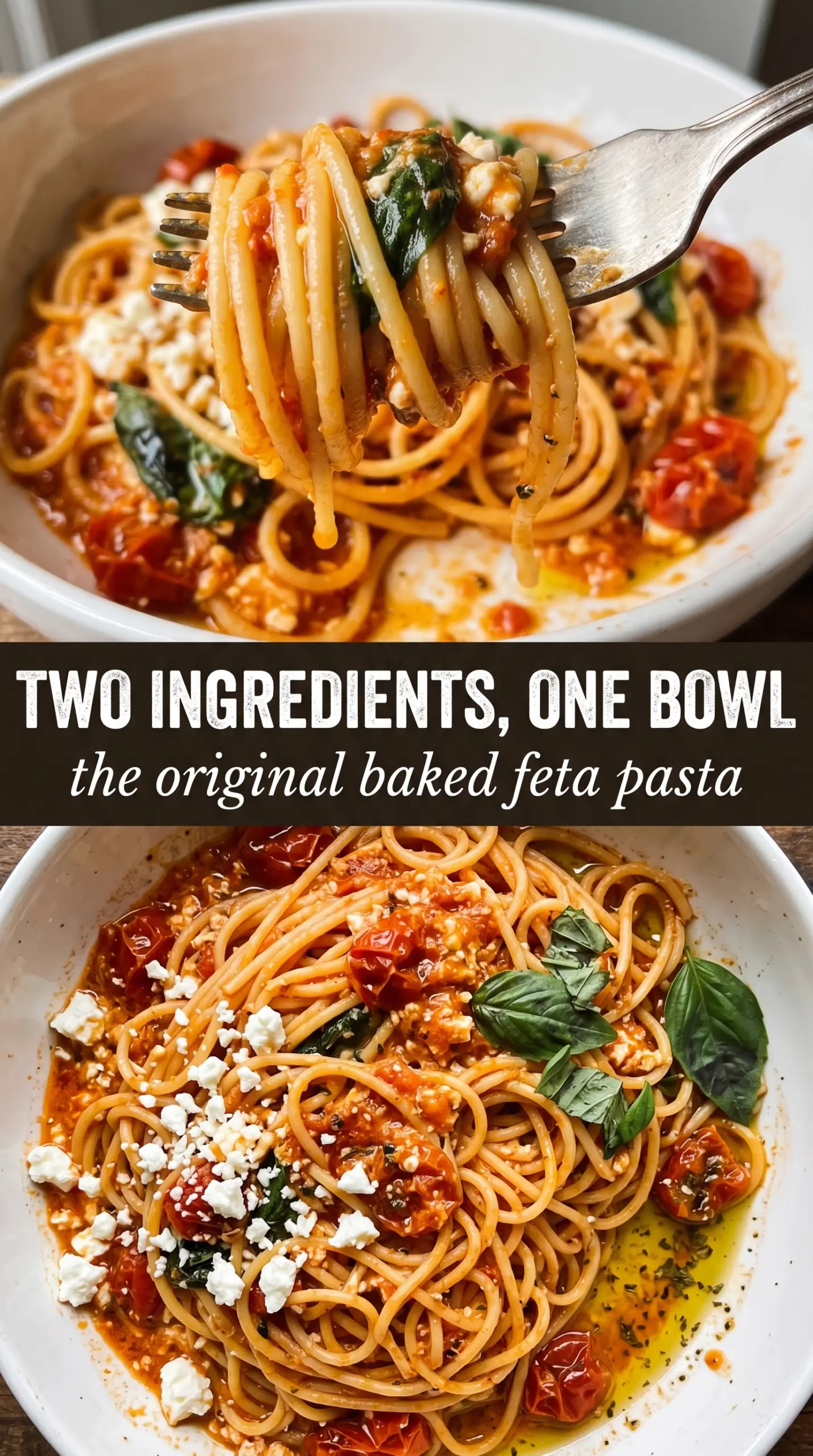
Baked feta pasta earns its reputation the second you stir the cheese into the burst tomatoes and watch the whole pan turn glossy and creamy. The feta softens into a salty, tangy sauce while the tomatoes collapse into their own sweet juices, and that contrast is what keeps people making it again. It tastes like much more work than it is, which is always a nice trick to have in your pocket.
The key is baking the feta until the edges brown a little and the tomatoes have enough time to split and concentrate. If the tomatoes are underbaked, the sauce stays flat and watery; if the feta goes in with too little oil, it can turn pasty instead of smooth. A little reserved pasta water finishes the sauce and helps it cling to every piece of pasta without feeling heavy.
Below, I’ll show you how to judge the bake by sight, what kind of pasta shape holds the sauce best, and the easiest way to adjust the texture if your tomatoes are extra juicy.
The feta melted into the tomatoes exactly like you described, and the sauce coated the pasta without getting watery. I used the full cup of pasta water a little at a time and it came out silky instead of thick and clumpy.
Save this baked feta pasta for the night you want a creamy roasted tomato sauce with almost no cleanup.
The Part That Keeps the Sauce Creamy Instead of Grainy
The biggest mistake with baked feta pasta is trying to rush the sauce after the pan comes out of the oven. Feta softens, but it doesn’t behave like cream cheese. You need the heat from the tomatoes and a little pasta water to coax it into a sauce that feels silky instead of dense. Smash everything together while the tomatoes are still hot enough to release their juice.
Another thing that matters is salt control. Feta is already salty, so season the tomatoes lightly before baking and taste the finished sauce before adding more. If the whole dish tastes sharp instead of balanced, it usually means the pasta water was under-salted or the cheese was too briny for the amount of tomatoes you used.
What Each Ingredient Is Actually Doing in This Recipe
- Primary ingredient (the star) — Quality matters most. Choose the best you can find.
- Cooking medium (oil, butter, or broth) — This carries flavors and prevents dryness.
- Seasonings (salt, pepper, spices, herbs) — Layer flavors so nothing overpowers. Build depth gradually.
- Aromatics (garlic, onion, herbs) — Cook with fat to bloom flavors. Become the foundation.
- Supporting ingredients — Complement the main ingredient without overpowering it.
- Sauce or liquid (if applicable) — Brings flavors together. Balance richness with acid.
- Acid (lemon, vinegar, wine, or other) — Brightens and prevents flat-tasting results.
- Final finish (garnish, glaze, or sauce) — Prevents one-dimensional taste and adds visual appeal.
What the Feta, Tomatoes, and Pasta Water Are Each Doing
- Feta cheese — A block of feta softens more evenly than crumbled feta and gives you a creamier sauce when it bakes. The block also browns at the edges before it fully melts, which adds a deeper, slightly nutty taste. If your feta is packed very dry, let it sit at room temperature for a few minutes before baking so it loosens up faster.
- Cherry tomatoes — These are doing the heavy lifting for the sauce. They burst quickly, which means they concentrate instead of turning to mush, and their juices loosen the feta just enough to make everything tossable. Grape tomatoes work in a pinch, but they’re usually a little firmer and less juicy, so you may need a splash more pasta water.
- Olive oil — Don’t skimp here. The oil helps the tomatoes roast instead of dry out and carries the garlic and pepper flakes through the whole pan. A good everyday olive oil is fine; this isn’t the place for your fanciest bottle.
- Reserved pasta water — This is what turns the roasted mixture into a proper sauce. The starch helps it emulsify and cling to the pasta, especially if the tomatoes were on the smaller side. Add it a splash at a time until the sauce looks glossy and lightly coats the pasta instead of pooling underneath it.
How to Build the Pan So Nothing Turns Watery
Setting Up the Bake
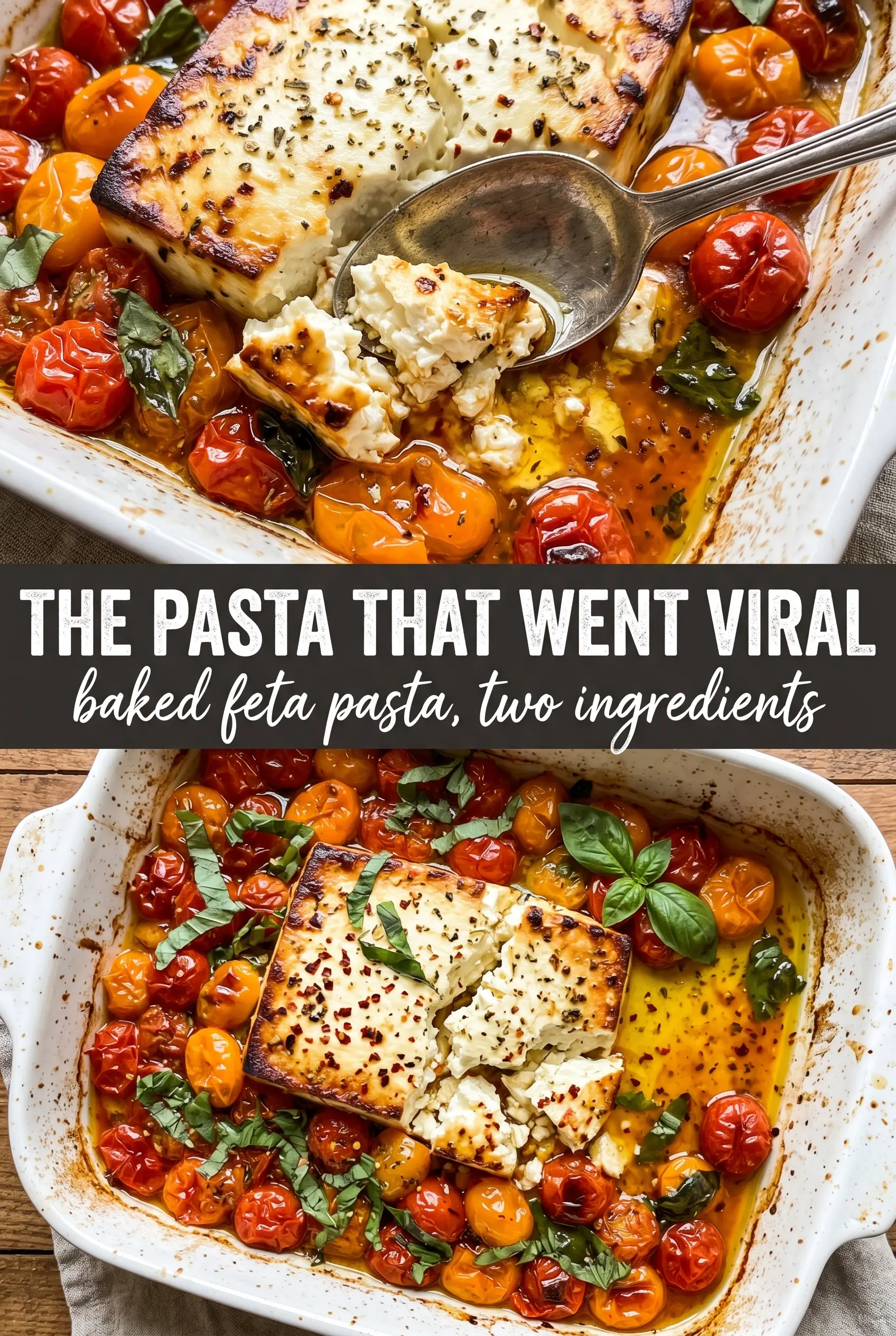
Put the feta in the center of the baking dish and crowd the tomatoes around it so they roast in a tight layer. The garlic should be smashed, not minced, because minced garlic can burn before the tomatoes are done. Drizzle everything generously with olive oil; if the pan looks dry, the tomatoes will shrivel before they burst.
Roasting Until the Tomatoes Collapse
Bake until the feta has browned at the edges and the tomatoes have split open and started to slump. That usually takes 30 to 35 minutes, but the visual cue matters more than the clock. If the tomatoes still look taut and glossy, they need more time; if they’ve released a lot of juice but still hold their shape, keep going a few more minutes.
Smashing and Loosening the Sauce
Use a fork to break up the feta and stir it into the tomatoes until the mixture turns creamy and streaked. Add a small splash of pasta water and stir again. If it looks greasy or broken, it’s usually because the pasta water went in too fast or the pan cooled too much before mixing.
Tossing the Pasta
Add the drained pasta straight into the baking dish and toss until every piece is coated. If the sauce seems thick, add more pasta water one spoonful at a time until it clings smoothly. Finish with basil and a little extra olive oil right before serving so the herbs stay bright and the sauce keeps its gloss.
Three Ways to Make It Fit What’s in Your Kitchen
Make it gluten-free
Use your favorite gluten-free short pasta and cook it just to al dente so it doesn’t break when tossed with the hot sauce. The sauce itself is naturally gluten-free, but gluten-free pasta can go soft fast if it sits too long in the pan, so mix and serve right away.
Add vegetables that roast on the same timeline
A handful of zucchini chunks or thinly sliced shallot can go into the baking dish with the tomatoes. Keep the pieces small so they soften in the same window as the feta; large vegetables will still be firm when the pasta is ready.
Use a milder cheese if feta is too sharp for you
A block of goat cheese can stand in for part of the feta if you want a softer, less salty sauce. It won’t have the same briny edge, but it melts into a creamier finish. I’d still keep at least half the feta in the pan so you don’t lose the signature taste of the dish.
Make it dairy-free
Use a firm plant-based feta-style block that’s meant to soften in heat, not a crumbly vegan feta that dries out. The result will be less tangy and less creamy than the original, but the roasted tomato base still carries the dish well if you finish with extra olive oil and basil.
Storage and Reheating
- Refrigerator: Store leftovers in an airtight container for up to 4 days. The sauce will thicken as it chills.
- Freezer: It freezes, but the texture softens a lot after thawing, so I only freeze it if I’m okay with a looser sauce. Pack it in a freezer-safe container for up to 2 months.
- Reheating: Warm it gently on the stove or in the microwave with a splash of water to loosen the sauce. High heat can make the feta turn dry and grainy, so heat just until steaming.
Answers to the Questions Worth Asking
Baked Feta Pasta
Ingredients
Equipment
Method
- Preheat the oven to 400°F and place the feta in the center of a 9x13 baking dish.
- Surround the feta with cherry tomatoes and garlic, then drizzle everything with olive oil and season with red pepper flakes, salt, and pepper.
- Bake for 30-35 minutes, until the feta is golden at the edges and the tomatoes have burst and released their juices.
- Meanwhile, cook the pasta in well-salted boiling water until al dente, then reserve 1 cup pasta water before draining.
- Use a fork to smash the baked feta and stir it into the roasted tomatoes until a creamy sauce forms, adding pasta water as needed for looseness.
- Add the cooked pasta and toss to coat, then drizzle with extra olive oil and scatter fresh basil over the top.