Gordon Ramsay meatloaf earns its place at the table because it’s not soft and bland in the middle with a pale, steamed crust on the outside. The exterior gets a real sear first, then the loaf finishes in the oven with a glossy glaze that caramelizes instead of sliding off. Every slice holds together, but the center stays juicy and tender.
The trick is treating meatloaf like a proper roast, not a loaf pan dump. Sautéed onion keeps the finished texture from turning grainy, breadcrumbs and milk give the meat enough structure to slice cleanly, and the mix of beef and pork adds flavor without making it greasy. Searing before roasting builds a darker crust and also starts the glaze in the pan, which gives the whole dish a deeper, more cooked-all-day taste.
Below, you’ll find the part that matters most: how to keep the loaf tight without packing it until it gets tough, how to know when the glaze is ready to brush on, and the small swaps that still keep this in the same restaurant-quality lane.
The sear made all the difference here — the outside turned deeply browned and the glaze set up sticky instead of watery. I followed the rest time too, and the slices held together perfectly.
Save this glazed seared Gordon Ramsay meatloaf for the nights when you want a juicy slice with a dark crust and no soggy loaf pan edges.
The Sear Is What Keeps This Meatloaf in Restaurant Territory
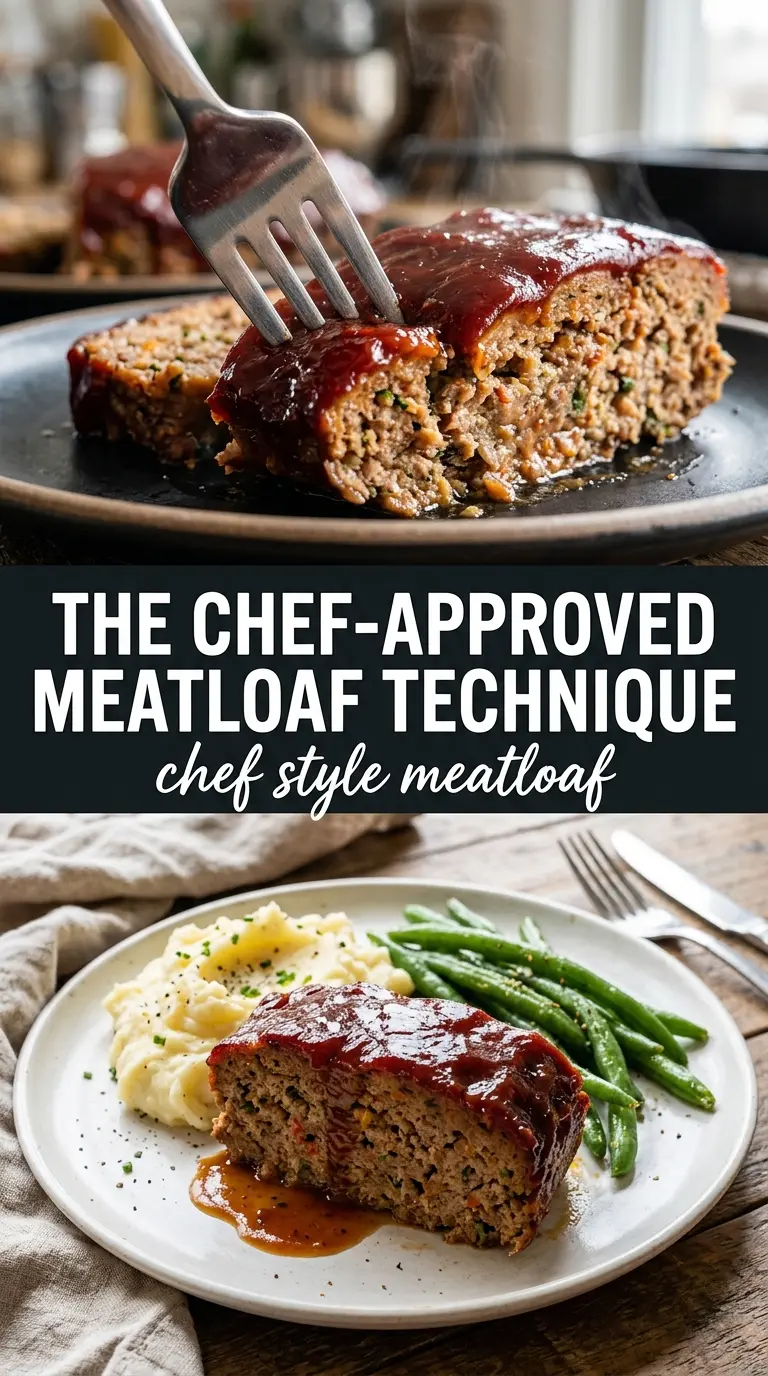
The biggest mistake with meatloaf is treating it like a baked brick and skipping the browning step. When the exterior never gets color, the loaf tastes flat and the glaze has nothing to cling to. Searing it in an oven-safe skillet gives you a crust before the oven ever turns on, which means better flavor and better texture in every slice.
The other detail that matters is how tightly you shape it. Loose meatloaf spreads, cracks, and cooks unevenly. Packed too hard, it turns dense. The goal is a firm free-form loaf that holds its shape but still has a little give when you press the top.
- Don’t skip the sautéed onion. Raw onion can stay sharp and leave little crunchy bits in the finished loaf. Cooking it first softens the flavor and keeps the texture smooth.
- Use the skillet. Browning in the same pan you’ll roast in keeps all those flavorful browned bits in play and saves you a dish.
- Watch the heat on the sear. If the pan is too hot, the outside burns before the loaf sets. You want deep brown color, not a blackened crust.
What Each Ingredient Is Actually Doing in This Dish
- Ground beef and ground pork — Beef brings the familiar meaty backbone. Pork adds fat and a softer texture, which keeps the loaf from eating dry. If you use all beef, choose a blend with enough fat or the finished slices will be firmer and leaner.
- Fresh breadcrumbs and milk — This is the panade, and it’s what keeps the meatloaf tender. The breadcrumbs soak up the milk before they go in, so they hold moisture inside the loaf instead of letting it leak out during roasting. Dry crumbs work in a pinch, but fresh ones give a softer result.
- Sautéed onion and garlic — Onion adds sweetness and body, while garlic gives the loaf a savory base. The onion needs to be softened first because raw diced onion doesn’t fully melt into the meat and can taste harsh after baking.
- Worcestershire, Dijon, thyme, and parsley — These keep the flavor layered instead of one-note. Worcestershire and Dijon sharpen the beefiness, while the herbs lift the richness. Fresh herbs matter here because dried parsley and thyme can taste dusty in a dish this simple.
- The glaze — Ketchup gives body, balsamic adds bite, and brown sugar helps it lacquer under heat. Brush it on after searing so it stays glossy and concentrated instead of disappearing into the pan.
Building the Crust Before the Oven Does the Rest
Mix the Meat Just Until It Holds
Combine everything in a large bowl and stop as soon as the mixture looks even. Overmixing makes meatloaf tight and bouncy, which is the opposite of what you want here. The mixture should feel cohesive and slightly tacky, not paste-like. If it seems wet, let it sit for a minute or two so the breadcrumbs can finish absorbing the milk.
Shape a Firm Free-Form Loaf
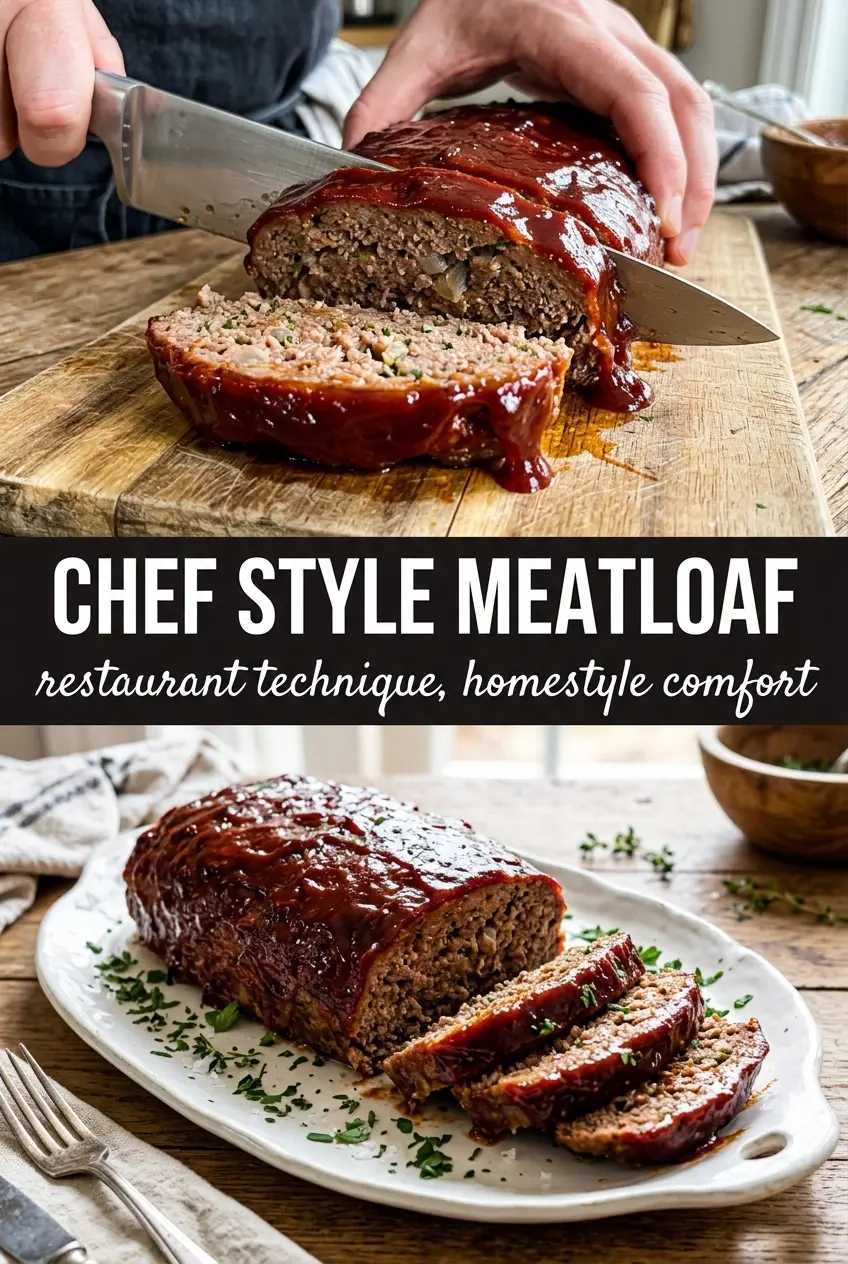
Pat the mixture into a compact loaf that holds together without being smashed flat. A free-form shape lets heat move around the sides, which helps the crust develop and keeps the bottom from steaming in its own juices. If it looks cracked on top, smooth it with damp hands before it goes in the pan.
Sear Until Deeply Browned
Heat the oil in an oven-safe skillet over medium-high heat, then set the loaf in carefully and leave it alone long enough to brown. Turn it gently with a spatula or tongs and sear all sides for about 2 minutes per side. If the loaf sticks, it’s not ready to move yet. Once a crust forms, it usually releases cleanly.
Glaze and Roast to Temperature
Brush the glaze over the browned loaf, then move the skillet straight into the oven. Roast until the center hits 160°F on an instant-read thermometer. If you pull it based on color alone, you’ll either cut too soon and lose juices or leave it in too long and dry it out. Resting for 15 minutes is not optional; that’s when the juices settle back into the meat.
How to Adapt This Meatloaf Without Losing the Good Part
Make It Gluten-Free
Swap the fresh breadcrumbs for a gluten-free breadcrumb blend or crushed gluten-free crackers. Keep the amount the same, but watch the texture — some brands absorb more liquid and can make the loaf a little firmer, so don’t add extra unless the mixture still feels loose after resting for a minute.
Go All Beef
If you don’t want pork, use 2 pounds of ground beef with a bit of fat, ideally 85/15. The loaf will taste a little leaner and slice a touch firmer, so the milk-and-breadcrumb mixture matters even more for keeping it tender.
Change the Glaze
Use barbecue sauce instead of the ketchup-balsamic glaze for a smokier finish. It’ll taste sweeter and a little less sharp, and it will darken faster in the oven, so keep an eye on it during the last 15 minutes.
Make the Texture a Little Richer
A tablespoon of grated Parmesan can go into the mix if you want a saltier, more savory finish. It won’t change the structure much, but it does add a slight firming effect, so don’t overdo it or the loaf starts to lose that juicy middle.
Storage and Reheating
- Refrigerator: Store slices in an airtight container for up to 4 days. The crust softens a bit, but the meat stays moist.
- Freezer: This freezes well. Wrap slices tightly and freeze for up to 3 months, or freeze the whole cooled loaf in portions so you can thaw only what you need.
- Reheating: Reheat covered in a 300°F oven with a splash of water or broth until warmed through. The common mistake is blasting it in the microwave, which dries out the edges before the center is hot.
Questions I Get Asked About This Recipe
Gordon Ramsay-Style Free-Form Meatloaf with Lacquered Glaze
Ingredients
Equipment
Method
- Preheat oven to 350°F and set an oven-safe skillet nearby so the meatloaf can go from stovetop to oven quickly.
- Mix ground beef, ground pork, fresh breadcrumbs, eggs, whole milk, sautéed onion, minced garlic, Worcestershire sauce, Dijon mustard, chopped thyme, chopped parsley, salt, and coarse black pepper until just combined.
- Shape the mixture into a tight, free-form loaf so it holds together and sears evenly on all sides.
- Heat olive oil in the oven-safe skillet over medium-high heat and sear the meatloaf on all sides until deeply browned, about 2 minutes per side, for a caramelized crust.
- Mix the glaze (ketchup, balsamic vinegar, and brown sugar) and brush it over the top for a lacquered finish.
- Transfer the skillet to the oven and roast for 60–70 minutes, until internal temperature reaches 160°F, then remove from the oven.
- Rest the meatloaf for 15 minutes before slicing so juices redistribute for a moist interior.