Burnished on top, tender in the middle, and sliced into thick, moist pieces, this Joanna Gaines-style meatloaf earns its place on the dinner table fast. The glaze bakes into a sticky, caramelized cap that balances the savory beef underneath, and the loaf holds together cleanly without turning dense or dry. It tastes like the kind of meal people remember from a farmhouse kitchen: simple ingredients, handled with care, and finished with enough sweetness to make the edges irresistible.
What makes this version work is the balance inside the loaf. The milk, eggs, and breadcrumbs keep the meat tender, while the onion and Worcestershire sauce build depth without making it taste heavy. The glaze goes on in two rounds, which matters. If you spread it all on at the beginning, the sugars can darken too fast and the top won’t get that glossy, lacquered finish that makes the first slice look as good as it tastes.
Below you’ll find the small details that keep meatloaf from cracking, a few smart swaps, and the reheating trick that keeps leftovers just as good the next day.
The glaze turned sticky and dark around the edges, and the loaf sliced cleanly after resting. I used a meat thermometer and pulled it right at 160, which kept the middle juicy instead of dry.
Joanna Gaines’ meatloaf with that caramelized ketchup-brown sugar glaze is the kind of Sunday dinner worth keeping close.
Why This Meatloaf Stays Moist Instead of Packing Down
The common meatloaf problem is overmixing. Once ground beef gets worked too hard, it turns tight and springy instead of tender. Here, the breadcrumbs and milk help soften the texture, but they can only do their job if you stop mixing as soon as everything looks evenly combined. If the mixture starts to look pasty, you’ve gone too far.
The loaf pan also changes the result. It gives you those neat, classic slices and helps the glaze pool and caramelize on top instead of running away on a sheet pan. The tradeoff is that the loaf sits in more of its own fat, so don’t overpack the meat when you press it into the pan. A loose but even shape bakes up lighter and holds together better after the rest.
What Each Ingredient Is Doing in the Loaf and the Glaze
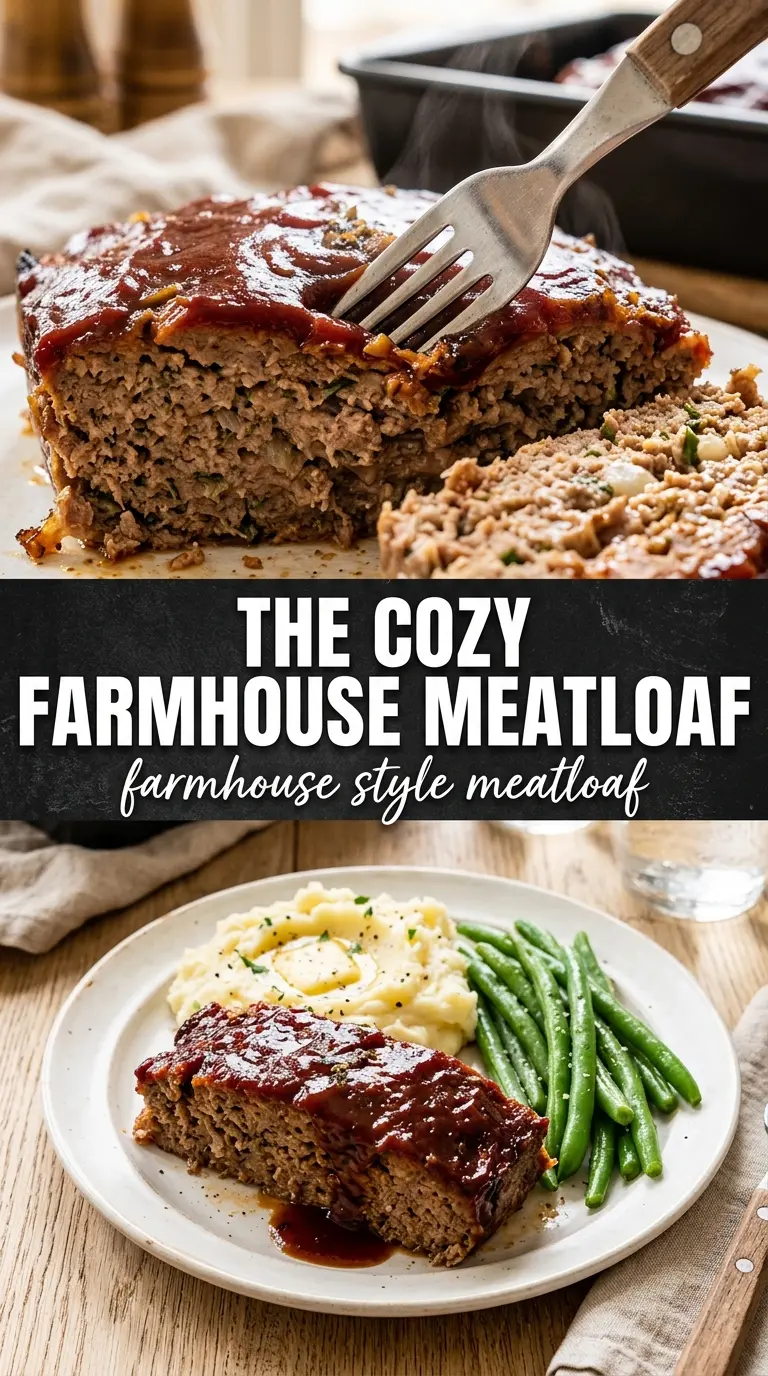
- Ground beef — Use a blend with some fat, not extra-lean beef. Fat carries flavor and keeps the loaf from eating dry after a long bake.
- Seasoned breadcrumbs — These bind the loaf and hold onto moisture. Plain breadcrumbs work too, but you’ll want to season a little more aggressively if you swap them in.
- Eggs and milk — This is the tenderizing backbone. They help the loaf stay soft and sliceable instead of crumbly.
- Onion and garlic — Finely diced onion disappears into the loaf and gives little pockets of sweetness. If your onion pieces are too big, they’ll stay crunchy after baking.
- Worcestershire sauce — This is doing more than salting the meat. It adds savory depth and a little tang that keeps the beef from tasting flat.
- Ketchup, brown sugar, and Dijon — The glaze needs all three. Ketchup brings body, brown sugar gives the shine and caramelization, and Dijon keeps the sweetness from tasting one-note.
Building the Loaf and Glaze So Nothing Breaks Down
Mixing Just Enough
Combine everything in a large bowl and use your hands to bring it together gently. You want the mixture to look even, not compressed. If you knead it like bread, the finished loaf will be dense and coarse instead of tender.
Shaping in the Pan
Transfer the meat mixture to a greased 9×5 loaf pan and press it in lightly, then smooth the top. Don’t compact it hard. A packed loaf traps steam and gets tighter in the center, while a loosely formed loaf bakes up with a better texture and cleaner slices.
Glazing in Two Rounds
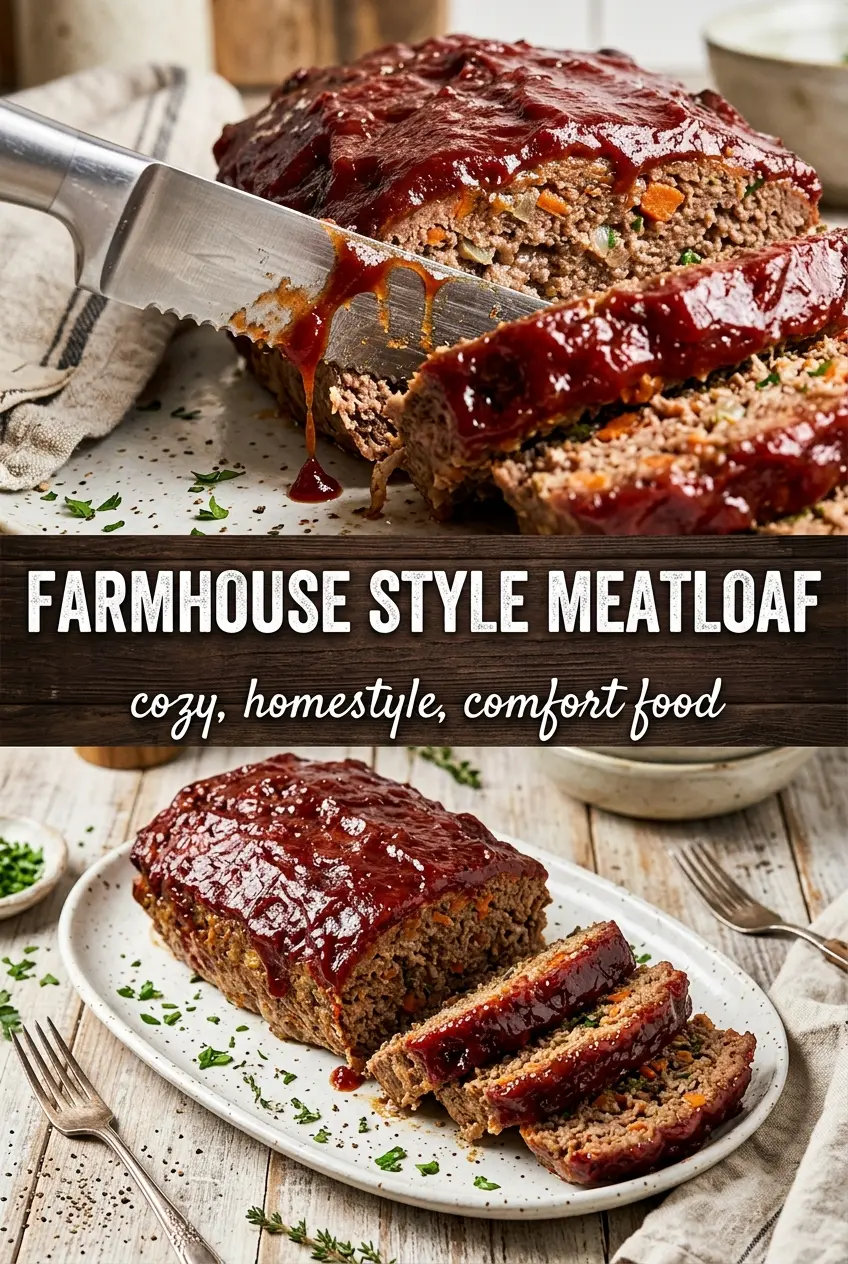
Mix the glaze until the brown sugar dissolves, then spread half over the top before baking. The first layer sinks in a little and starts building that shiny crust, while the second layer added near the end stays on the surface and caramelizes instead of disappearing. If your glaze looks too thin, keep stirring for a few seconds longer before spreading it.
Knowing When It’s Done
Bake until the center reaches 160°F and the glaze is deeply browned and sticky at the edges. Pull it out and let it rest for 10 minutes before slicing. If you cut too soon, the juices run out and the slices collapse.
Dairy-Free Meatloaf
Swap the milk for unsweetened plain almond milk or oat milk. The loaf will still be tender, but you’ll lose a little of the richer, rounder flavor that dairy gives, so don’t skip the Worcestershire and onion.
Gluten-Free Version
Use certified gluten-free breadcrumbs in the same amount. They bind the loaf well, though the texture may be a touch softer, so let it rest the full 10 minutes before slicing.
Turkey Meatloaf
You can replace the beef with ground turkey, but use turkey that isn’t extra-lean if possible. Turkey needs the extra moisture, and the loaf will taste best if you check it a little early so it doesn’t dry out past 160°F.
Storage and Reheating
- Refrigerator: Store sliced or whole for up to 4 days. The glaze will firm up a bit, but the flavor deepens overnight.
- Freezer: It freezes well. Wrap slices tightly or freeze the whole cooled loaf, then thaw in the refrigerator before reheating.
- Reheating: Reheat covered in a 300°F oven with a splash of water or extra glaze until warmed through. The biggest mistake is blasting it in the microwave until the edges turn tough and the center dries out.
Questions I Get Asked About This Meatloaf
Joanna Gaines' Meatloaf
Ingredients
Equipment
Method
- Preheat the oven to 350°F and grease a 9x5 loaf pan with a light coating. Make sure the pan is fully greased so the loaf releases cleanly (visual cue: no dull dry spots).
- Combine ground beef, seasoned breadcrumbs, eggs, whole milk, finely diced small onion, minced garlic, Worcestershire sauce, dried Italian seasoning, garlic powder, and salt and pepper in a mixing bowl until just mixed. Stop as soon as the mixture holds together (visual cue: no dry breadcrumb pockets).
- Transfer the mixture to the loaf pan and smooth the top into an even layer. Press lightly so the loaf bakes uniformly (visual cue: top is flat with no large ridges).
- Mix ketchup, brown sugar, Dijon mustard, and Worcestershire for the glaze, then spread half over the meatloaf. Cover the surface evenly (visual cue: glossy red-brown coating across the top).
- Bake for 55 minutes at 350°F. Check visually halfway if needed—look for the glaze starting to darken around the edges (visual cue: caramel-brown highlights forming).
- Spread the remaining glaze over the meatloaf and bake 15 more minutes at 350°F until the internal temperature reaches 160°F. Finish until the glaze is deeply caramelized and shiny (visual cue: darker, bubbling glaze across the top).
- Rest the meatloaf for 10 minutes before slicing and serving. Letting it sit helps it hold together (visual cue: juices thicken slightly at the cut surface).