Sticky bourbon chicken skewers earn their place at the table fast: juicy chicken with charred edges, a glossy glaze that clings instead of dripping off, and just enough sweet-savory balance to keep people reaching for another skewer. The bourbon doesn’t make the dish boozy; it adds depth and a little warmth behind the brown sugar and honey, which is what gives the glaze that rich, lacquered finish.
The trick is treating the marinade like two jobs at once. Half seasons the chicken and half gets reserved for basting, so the sauce you brush on the grill is still clean and safe to use. A quick soak is enough for chicken breast chunks if you keep the pieces even in size, and medium-high heat gives you the caramelization you want without drying out the meat.
Below you’ll find the small details that matter here: how to keep the glaze sticky instead of watery, why the skewers need a little prep before they hit the grill, and a few easy swaps if you need to work around what’s in your pantry.
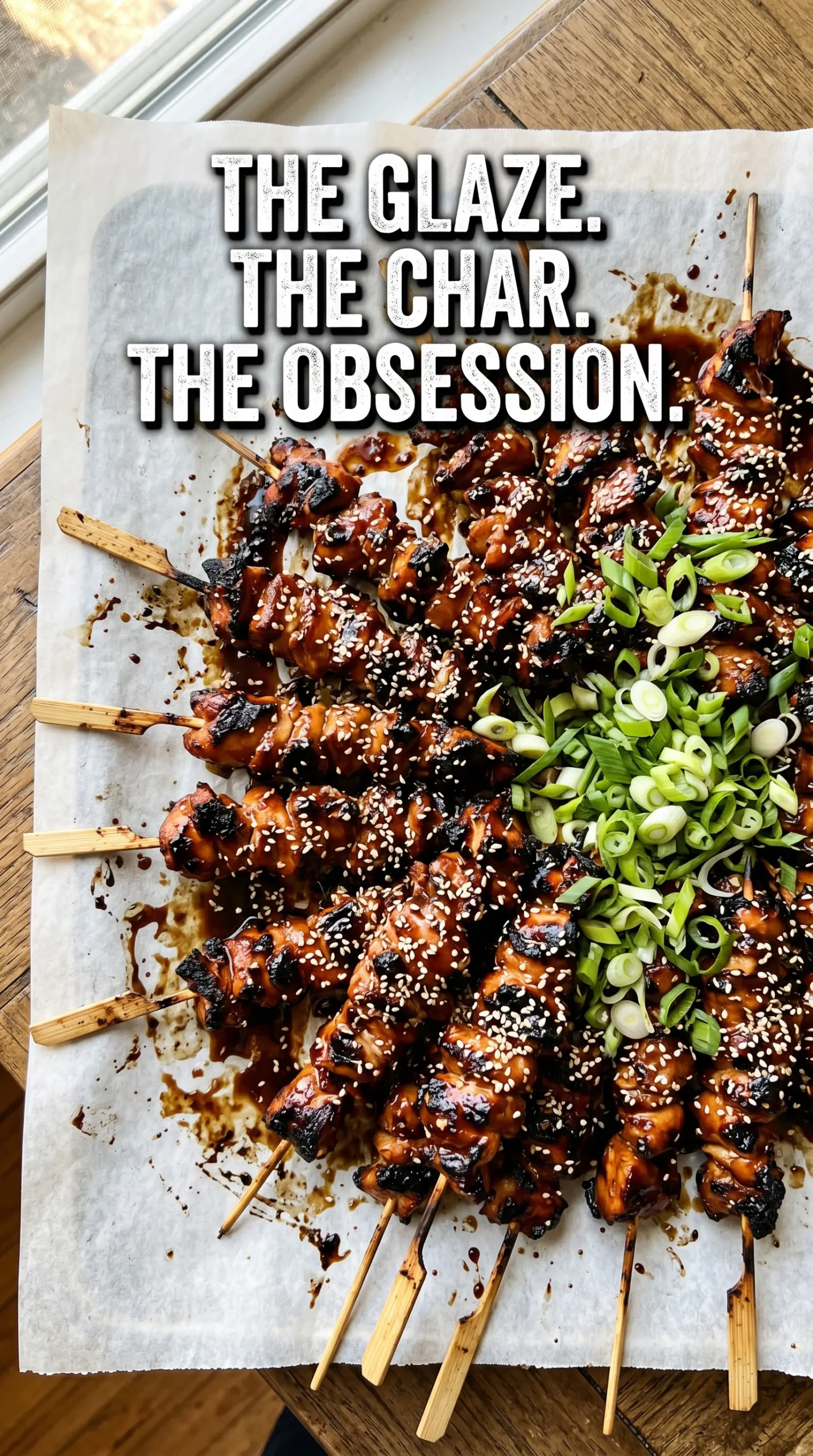
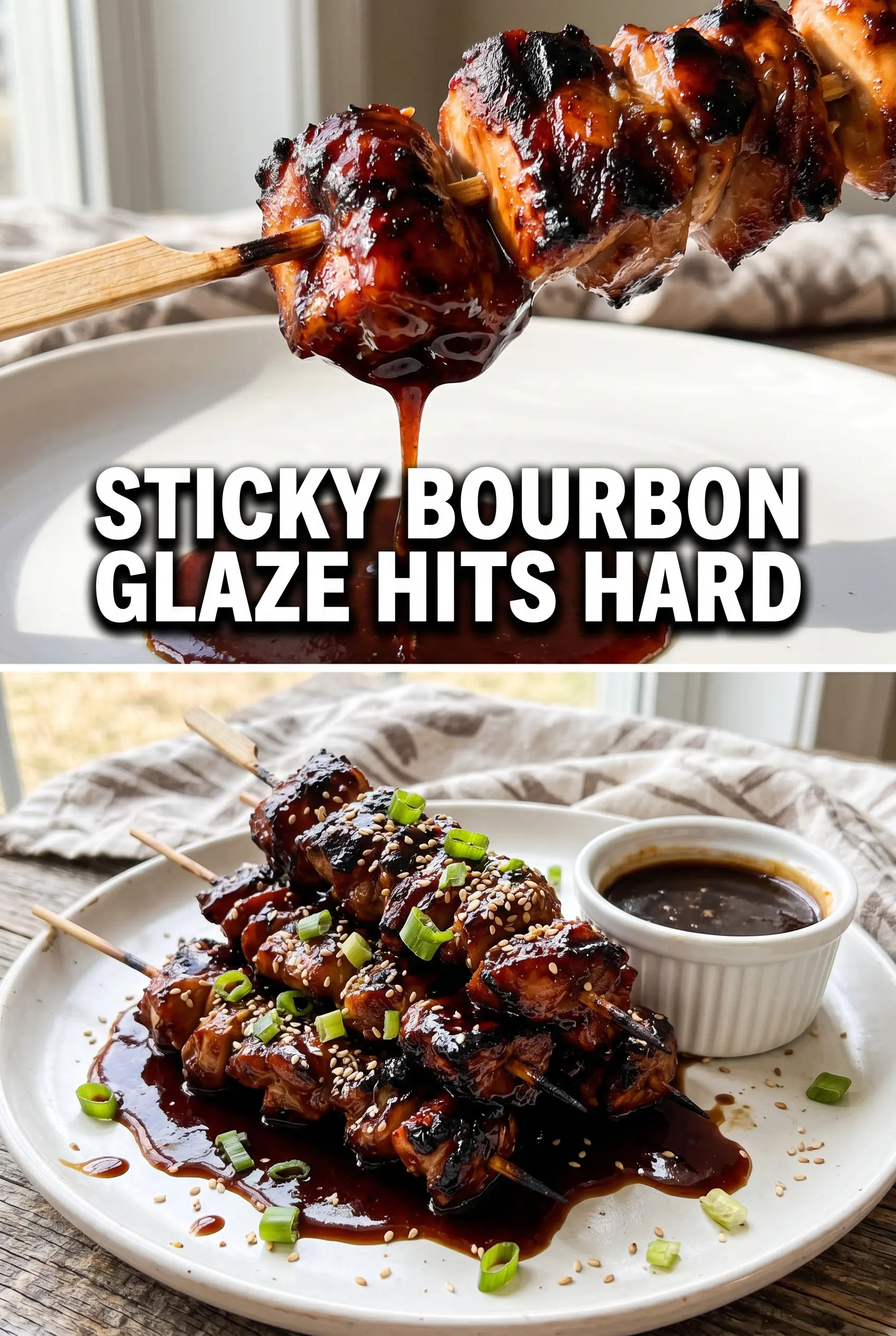
The glaze turned out glossy and thick, and brushing it on during the last few minutes gave the chicken that sticky finish without burning the sugar.
Sticky bourbon chicken skewers with that glossy brown sugar glaze are the kind of grill recipe worth keeping close.
The Glaze Only Sticks If You Reserve the Right Marinade
The biggest mistake with bourbon chicken skewers is brushing raw marinade back onto the finished chicken without setting some aside first. That creates a food-safety problem, and it also usually means your glaze is too thin, because the chicken juices dilute the whole batch as it sits. Reserve a clean portion before the chicken goes in, and that basting sauce will reduce on the grill into the sticky coating you want.
Another thing that matters here is heat control. Sugar burns fast over direct high heat, especially once the skewers start getting coated, so the chicken should go on a medium-high grill with a little space between pieces. You want the edges to char and the glaze to bubble, not blacken.
- Even chicken pieces — Cut the chicken into similar-sized chunks so they finish together. Big chunks stay pale in the middle while smaller ones dry out.
- Bourbon — This adds depth and helps round out the sweetness. You don’t need an expensive bottle, but skip anything with harsh burn; a mid-shelf bourbon tastes cleaner in the glaze.
- Brown sugar and honey — These are what create the sticky finish. The honey gives the glaze a little shine, while the brown sugar brings the deeper caramel note.
- Soy sauce — This is the salt and umami backbone. Use regular soy sauce for the strongest flavor, or low-sodium if you want a little more control at the table.
What Each Ingredient Is Actually Doing on the Grill
- Chicken breasts — Breasts stay lean and pick up the glaze well, but they dry out if you overcook them. If you want a little more forgiveness, boneless thighs work too and stay juicier on the grill.
- Garlic and ginger — These keep the sauce from tasting flat-sweet. Fresh is worth it here because the grill amplifies the aromatics, and dried substitutes won’t give the same brightness.
- Red pepper flakes — This doesn’t make the skewers spicy in a big way; it keeps the glaze from leaning one-note. Add a little more if you like a stronger sweet-heat finish.
- Wooden skewers — Soak them long enough that they don’t catch fire over the grill. If they still scorch a little at the ends, that’s normal; the goal is to keep the chicken itself from sticking and tearing.
- Sesame seeds and green onions — These are the finishing touch, not decoration for its own sake. They add a nutty bite and a fresh sharp note that cuts through the sticky glaze.
Getting the Chicken Glossy Without Drying It Out
Mixing the Marinade
Whisk the bourbon, soy sauce, brown sugar, honey, garlic, ginger, and red pepper flakes until the sugar is mostly dissolved and the mixture looks smooth. If the sugar stays gritty, it’s harder for the marinade to cling evenly, and you’ll get patchy browning instead of a uniform glaze. Pull out 1/4 cup before the chicken goes in. That reserved portion is your basting sauce.
Marinating the Pieces
Let the chicken sit in the marinade for 1 to 4 hours. Less than that still works, but the flavor won’t reach as far into the meat. Go much longer with breast meat and the texture can start to turn a little mealy on the outside, especially if the bourbon and soy are doing their full job. Keep it cold while it marinates, and turn the pieces once if they’re stacked unevenly.
Threading and Grilling
Thread the chicken onto soaked skewers with a little space between chunks so the heat can reach all sides. That gap matters because packed-together pieces steam before they brown. Grill over medium-high heat for about 5 to 6 minutes per side, brushing with the reserved marinade during the last part of cooking. If the glaze starts to darken too quickly, move the skewers to a cooler spot on the grill instead of piling on more sauce.
Finishing With the Right Shine
Pull the skewers when the chicken is cooked through and the glaze looks thick, bubbling, and slightly tacky. The coating should cling to the meat and leave a glossy trail when you move the skewer. Let them rest for a couple of minutes before serving so the juices settle back in. Finish with sesame seeds and green onions while the glaze is still warm enough for them to stick.
How to Adapt These Skewers for Different Grills and Diets
Boneless Thighs Instead of Breasts
Swap in boneless, skinless thighs for a richer, juicier skewer. They take a little longer to cook, but they’re more forgiving if your grill runs hot or the pieces are slightly uneven. The glaze still clings well, and the flavor tastes a little deeper.
Gluten-Free Version
Use a certified gluten-free soy sauce or tamari and the rest of the recipe stays the same. The texture and glaze are nearly identical, though tamari usually tastes a little rounder and less sharp than standard soy sauce.
No Bourbon on Hand
If you’d rather skip the bourbon, replace it with apple juice plus a teaspoon of cider vinegar. You’ll lose the warm oak note, but the sauce still gets the sweetness and a little acidity it needs to balance the brown sugar.
Oven or Broiler Instead of the Grill
Bake the skewers on a lined sheet pan at high heat, then finish under the broiler for a few minutes to caramelize the glaze. Watch them closely in the broiler because the sugar can go from shiny to burnt fast. This method gives you good color, though you won’t get the same smoky edge as a grill.
Storage and Reheating
- Refrigerator: Store leftovers in an airtight container for up to 3 days. The glaze thickens as it chills, which actually helps the flavor.
- Freezer: These freeze well for about 2 months, though the glaze softens a bit after thawing. Freeze the cooked chicken off the skewers for easier reheating.
- Reheating: Warm gently in a covered skillet over low heat or in a 300°F oven until heated through. High heat dries out the chicken and can make the sugary glaze turn sticky in the wrong way.
Questions I Get Asked About This Recipe
Sticky Bourbon Chicken Skewers
Ingredients
Equipment
Method
- Whisk together bourbon, soy sauce, brown sugar, honey, garlic, ginger, and red pepper flakes until fully combined, glossy, and smooth.
- Reserve 1/4 cup marinade for basting and set it aside for later.
- Marinate the chicken in the remaining marinade for 1-4 hours, covered, so the pieces stay coated.
- Thread the marinated chicken onto soaked wooden skewers in an even pattern so they cook at the same rate.
- Grill over medium-high heat for 5-6 minutes per side, basting with the reserved marinade during grilling until the glaze looks caramelized and sticky.
- Garnish with sesame seeds and green onions before serving for a fresh, aromatic finish.