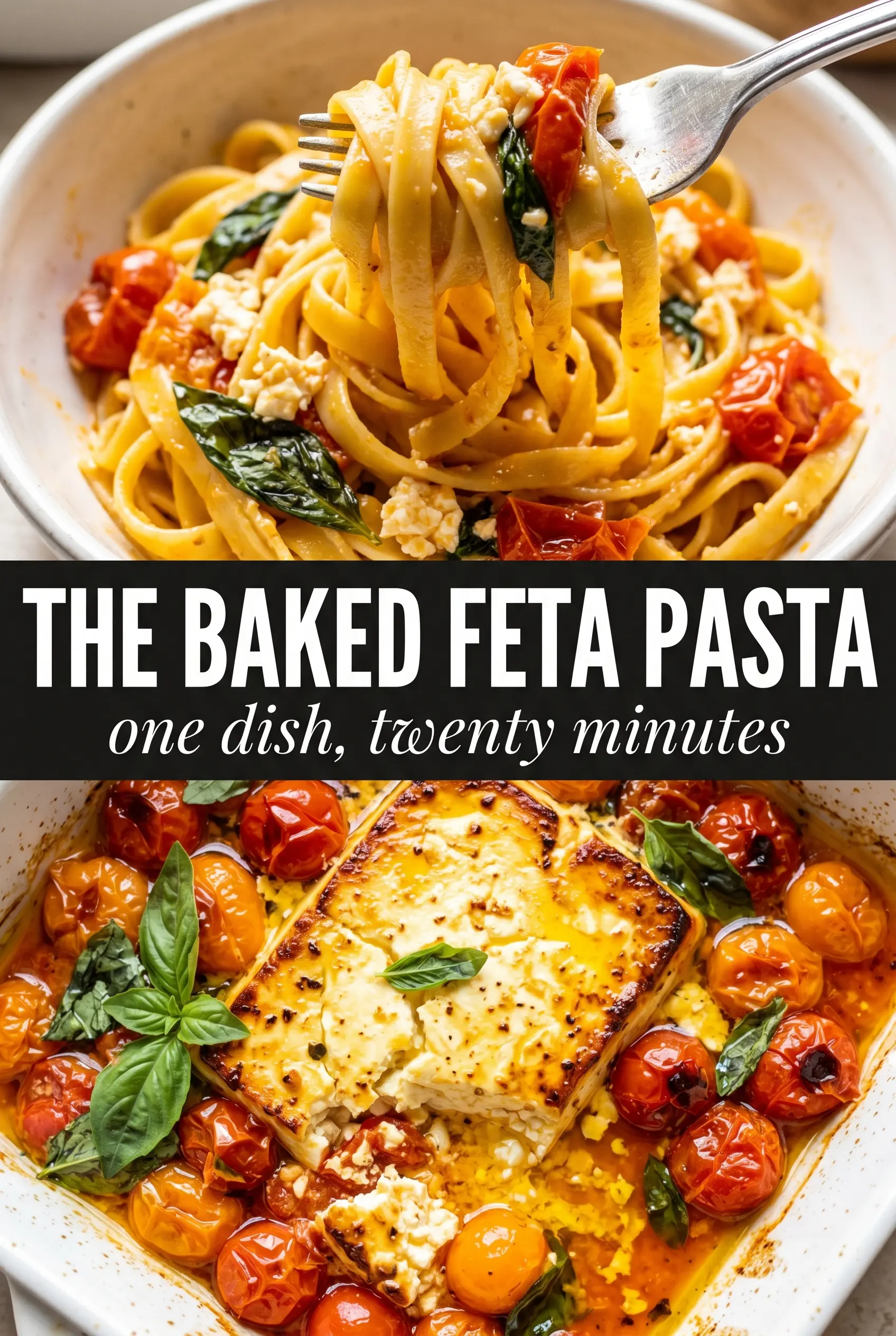
Baked feta pasta turns into something bigger than the viral version when the vegetables are chosen with enough structure to roast instead of steam. The feta softens at the edges, the tomatoes collapse into a jammy base, and the zucchini, pepper, and onion bring enough sweetness and body to make the sauce taste complete instead of one-note. What you end up with is creamy without being heavy, bright without needing much else, and sturdy enough to coat a full pound of pasta without thinning out into soup.
The trick is giving the vegetables space in the pan and enough oil to blister before the cheese gets stirred through. Feta doesn’t melt like mozzarella; it turns soft, salty, and spreadable, which is exactly why it works here. Once you mash it into the roasted vegetables, a little pasta water helps the sauce cling to the noodles and pull everything together.
Below you’ll find the timing that keeps the vegetables from going limp, the one substitution that still gives you a silky sauce, and the storage notes that make leftovers worth looking forward to.
The feta got creamy at the edges and the tomatoes burst into the perfect sauce. I added a splash of pasta water and it coated the rotini beautifully without getting greasy.
Like this baked feta pasta? Save it for the night you want creamy roasted vegetable sauce with almost no cleanup.
The Reason the Feta Turns Creamy Instead of Grainy
Baked feta only works when it’s heated just enough to soften and loosen, not so long that the fat separates and the texture goes chalky. That’s why the feta sits in the center of the pan, surrounded by vegetables that release moisture as they roast. The tomatoes and onion give off enough liquid to keep the cheese from drying out, and the olive oil helps everything stay glossy instead of sticking to the dish.
The other mistake people make is crowding the pan. If the vegetables are piled too tightly, they steam and the sauce tastes flat. Spread them into a single layer around the feta so the tomatoes blister, the zucchini edges take on color, and the garlic turns sweet instead of raw.
What Each Vegetable Is Doing in the Sauce
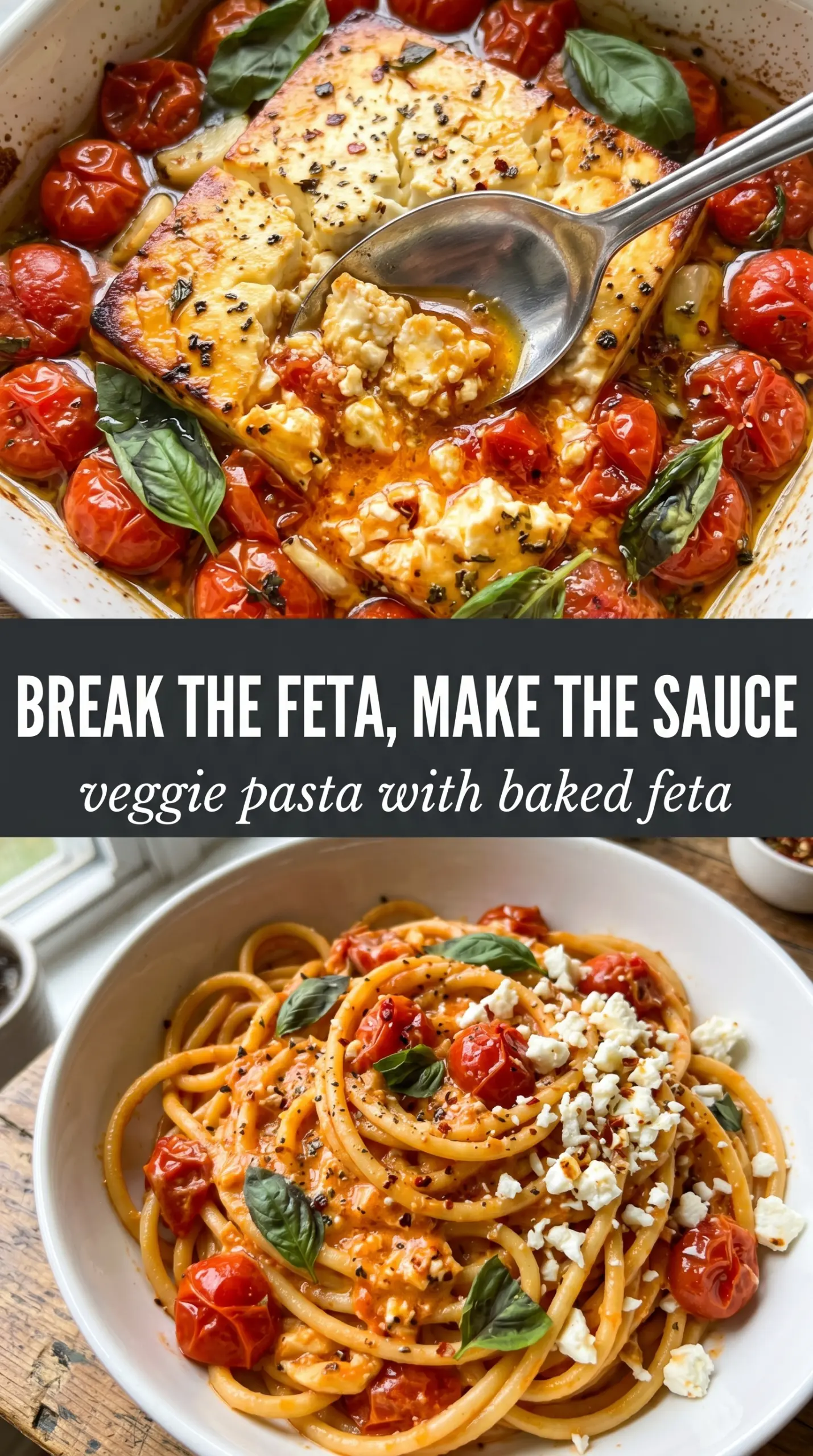
- Feta cheese — Use a block, not crumbles. A block softens into a creamy mound with edges that caramelize, while crumbles dry out before the vegetables finish roasting. If your feta is very salty, you can hold back a bit on the final seasoning and adjust after tossing the pasta.
- Cherry tomatoes — These are the sauce base. They burst, wrinkle, and concentrate in the oven, which gives you sweetness and acidity at the same time. Grape tomatoes work too, but bigger tomatoes should be halved so they release enough juice.
- Zucchini, bell pepper, and red onion — These add body and keep the pasta from tasting like just cheese and tomatoes. Zucchini softens fast, bell pepper brings sweetness, and red onion gives a little edge that mellows as it roasts. Cut them into similar-sized pieces so nothing turns mushy before the feta is ready.
- Olive oil — Don’t skimp here. The oil carries the heat, helps the vegetables brown, and turns the feta into something spoonable. A decent everyday olive oil is fine, but the final drizzle should be something you actually like tasting raw.
- Reserved pasta water — This is the adjustment that brings the sauce together. The starch helps the feta and tomato mixture cling to the pasta instead of sitting in the bottom of the dish. Add it a splash at a time; too much will wash out the roasted flavor.
Getting the Roast, Mash, and Toss in the Right Order
Building the pan
Heat the oven to 400°F and set the feta in the center of a 9×13 baking dish. Scatter the tomatoes and vegetables around it, then drizzle everything with olive oil so the pieces look lightly lacquered. If the dish looks dry before it goes into the oven, the vegetables won’t blister properly and the sauce will come out thin.
Roasting until the edges caramelize
After 30 to 35 minutes, the tomatoes should be burst, the onion should look softened at the corners, and the feta should be pale gold around the edges with a creamy center. If the top of the cheese browns too quickly before the vegetables are tender, your pan is too close to the top heating element. Move it to a lower rack next time and let the heat work more evenly.
Mashing the sauce together
Use a fork to break up the feta right in the baking dish, then stir it into the vegetables until the whole pan looks chunky and glossy. The sauce should look thick and rustic, not smooth like a purée. If it seems too tight, stir in a little pasta water instead of more oil; that loosens the mixture without making it greasy.
Finishing with the pasta
Add the cooked pasta and toss until every noodle is coated. Let it sit for a minute in the warm pan so the sauce clings instead of sliding off. Finish with basil and a final drizzle of olive oil while the pasta is still hot enough to wake up the herbs.
How to Adapt This Baked Feta Pasta Without Losing the Creamy Sauce
Make it gluten-free
Swap in your favorite gluten-free short pasta and cook it just to al dente. Gluten-free pasta can go soft fast once it hits the hot sauce, so pull it a minute early and finish the last bit of cooking in the pan with the feta and vegetables.
Make it dairy-free
Use a firm vegan feta-style block rather than a soft spread. It won’t taste exactly the same, but roasting it alongside the tomatoes gives you enough salt and tang to keep the sauce satisfying. Add an extra pinch of salt at the end if the substitute tastes muted.
Use what vegetables you have
Broccoli florets, asparagus, or mushrooms all work if you want to swap out one of the vegetables. Keep the total amount about the same and cut everything to a size that roasts in the same window as the feta. Mushrooms need a little extra oil, while broccoli benefits from being spread out so the edges brown.
Make it spicier
Add more red pepper flakes before roasting or finish with a pinch of chili crisp at the table. The heat lands best at the end because the feta and tomatoes already bring enough richness to carry it.
Storage and Reheating
- Refrigerator: Store leftovers in an airtight container for up to 4 days. The sauce thickens as it chills, so expect it to look less glossy after it sits.
- Freezer: It freezes, but the pasta softens and the feta sauce loses some of its creamy texture. If you do freeze it, cool it completely first and thaw overnight in the refrigerator.
- Reheating: Warm gently on the stove or in the microwave with a splash of water to loosen the sauce. High heat makes the pasta dry and can make the feta turn crumbly instead of creamy again.
Answers to the Questions Worth Asking
Veggie Pasta with Baked Feta
Ingredients
Equipment
Method
- Preheat the oven to 400°F and place the feta block in the center of a 9x13 baking dish.
- Surround the feta with cherry tomatoes, zucchini, red bell pepper, red onion, and garlic, then drizzle with olive oil.
- Season the dish with red pepper flakes, salt, and cracked black pepper.
- Bake for 30-35 minutes until the feta is golden and creamy at the edges and the tomatoes have burst and caramelized.
- Use a fork to mash the baked feta and stir it into the roasted vegetables, creating a chunky sauce.
- Add a splash of pasta water if needed to loosen the sauce to a silky consistency.
- Add the cooked pasta to the baking dish and toss to coat everything in the feta tomato sauce.
- Drizzle with extra olive oil, scatter fresh basil on top, and serve immediately.