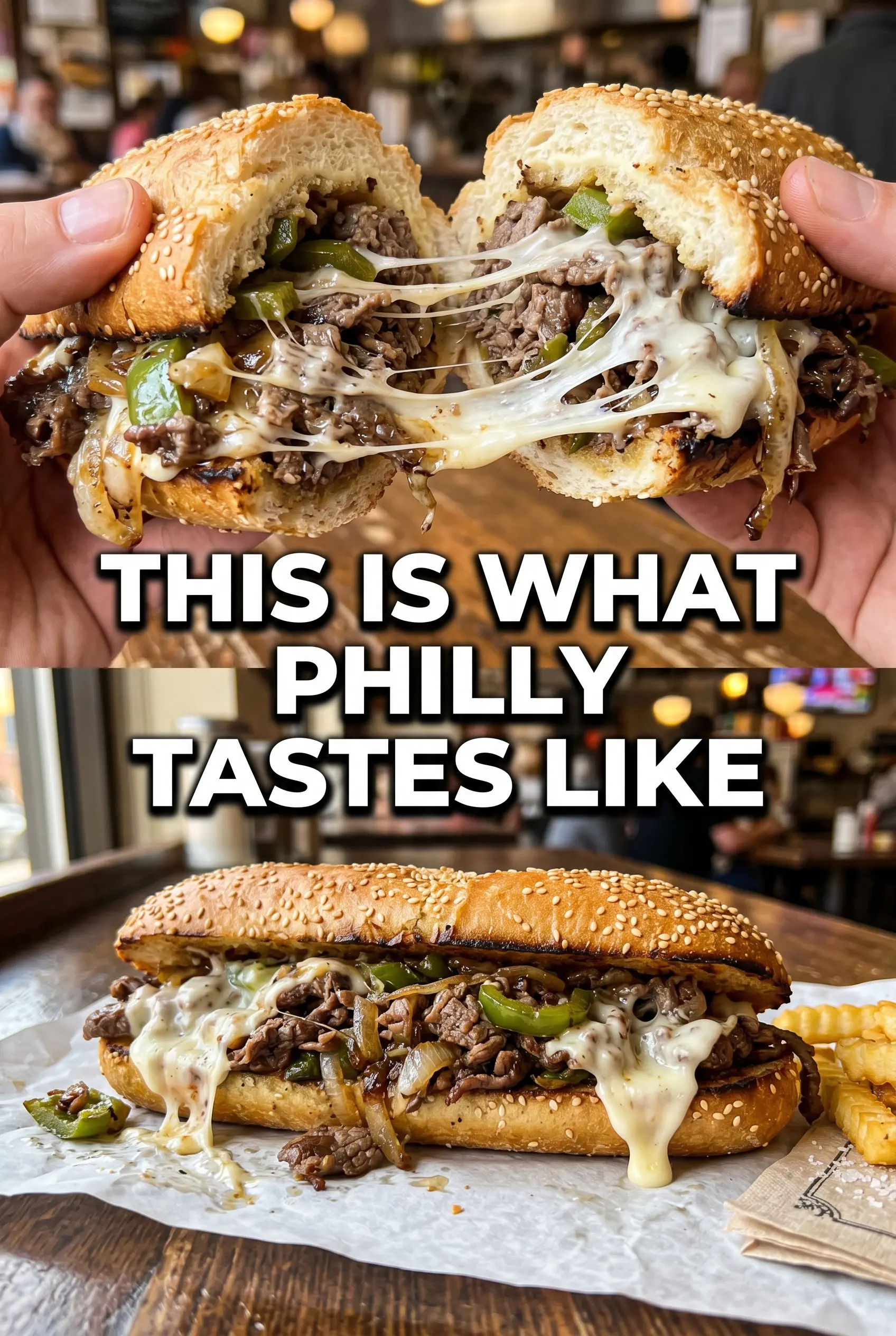
Thin-sliced ribeye, caramelized onions, and melted provolone piled into a toasted hoagie roll make these Blackstone Philly Cheesesteak Sandwiches hit the table with the kind of satisfaction that disappears fast. The steak stays juicy because it cooks quickly on a hot griddle, and the vegetables get enough time to soften and sweeten before everything comes together. The toasted roll matters here too. It keeps the sandwich from going soggy under all that hot filling.
The trick is splitting the cook into two jobs: first the onions and peppers, then the steak. That gives each part the right texture instead of crowding everything into one messy pile. Ribeye is the right cut because it stays tender even when it’s chopped and tossed on a hot surface, and provolone melts cleanly without turning greasy. If you’ve had cheesesteaks that tasted flat or felt watery, this version fixes both problems with better heat control and a little patience up front.
The steak stayed tender, the onions cooked down sweet, and the rolls toasted up just enough to hold everything without falling apart. My husband said these tasted like the best part of a food truck sandwich.
Save these Blackstone Philly Cheesesteak Sandwiches for the night you want a hot, melty sandwich with caramelized onions and peppers.
The Fastest Way to Keep the Steak Tender on the Griddle
The biggest mistake with cheesesteaks is letting the steak sit around too long on the heat. Ribeye is thin enough that it needs just a short cook, and once it starts to brown, it’s ready for the cheese. If you leave it on the griddle chasing darker color, it tightens up and loses that soft bite people want in a cheesesteak.
The other mistake is mixing the vegetables and steak too early. The onions and peppers need their own time so they can soften and pick up some color, and the steak needs a clean, hot surface so it sears instead of steaming. Keeping those stages separate gives you control over both texture and seasoning.
- Ribeye steak — This is the cut that gives you a tender, juicy cheesesteak. Ask for it sliced thin, or freeze it for 20 to 30 minutes and slice it yourself if that’s easier. Sirloin will work, but it won’t have the same rich texture.
- Onions and green bell peppers — They bring sweetness and a little snap. Cook them long enough to soften and take on color, because undercooked peppers taste sharp and distract from the steak.
- Provolone — It melts smoothly and stays mild, which lets the beef stay the main event. If you want a stronger cheese flavor, use a mix of provolone and white American.
- Hoagie rolls — A sturdy roll matters more than people think. Soft bread turns soggy fast, so toast it on the griddle with butter until the cut sides are crisp and golden.
- Mayo — Optional, but a thin swipe on the roll adds richness and helps the sandwich feel complete. Use just enough to coat the bread; too much will drown the filling.
How to Layer the Griddle So Everything Finishes at the Same Time
Caramelizing the Vegetables
Start with the onions and peppers in oil over medium-high heat and give them time to soften before you stir too much. You want browned edges and deep sweetness, not mush. If the pan looks dry or the vegetables start to scorch before they soften, lower the heat a touch and let them keep moving until they relax. Once they’re done, pull them off the griddle so they don’t overcook while the steak goes in.
Cooking the Steak Fast
Add the sliced ribeye to the hot surface and season it right away with salt and pepper. Use spatulas to chop and turn it as it cooks so it breaks into small, sandwich-friendly pieces. The steak should lose its raw color quickly and pick up a little browning, but it shouldn’t sit there long enough to dry out. If liquid pools under the meat, the griddle is crowded or not hot enough.
Melting the Cheese and Toasting the Rolls
Divide the steak into four portions and top each one with the cooked vegetables and two slices of provolone. Let the cheese sit on the hot meat until it starts to slump and gloss over the filling. At the same time, butter the rolls and toast them cut-side down until they’re golden. That step keeps the sandwich from going limp the second the filling hits the bread.
Building the Sandwiches
Scoop the steak and cheese mixture into the toasted rolls while everything is still hot. Add mayo if you want that extra creamy layer, then serve right away. This isn’t the kind of sandwich that improves while it sits. The cheese firms up and the bread softens quickly, so timing matters here.
How to Adapt These Cheesesteaks for Different Eaters and Different Pans
Dairy-Free Cheesesteak
Skip the provolone and use a dairy-free melting slice that softens well under heat. The sandwich will still be savory and satisfying, but you’ll lose the classic creamy finish that melts into the steak. Toast the rolls a little longer so they carry the filling without help from the cheese.
Mushroom Cheesesteak Variation
Add sliced mushrooms with the onions and peppers and cook them until their moisture cooks off. They add an earthy note and stretch the filling a little further, but they also need enough heat to brown or they’ll taste watery.
Steak Swap When Ribeye Isn’t Available
Thin-sliced sirloin works in a pinch and still gives you a good beefy sandwich. It’s leaner, so it cooks a little faster and can dry out sooner, which means you need to move quickly once it hits the griddle. Keep the slices thin and stop cooking as soon as the pink is gone.
Gluten-Free Serving Option
Use sturdy gluten-free rolls that can hold up to hot filling, or turn the steak, vegetables, and cheese into a cheesesteak bowl. The flavor stays the same, but gluten-free bread tends to be more fragile, so toasting it lightly is what keeps it from falling apart.
Storage and Reheating
- Refrigerator: Store the steak and vegetable filling separately from the rolls for up to 3 days. The bread will soften if you assemble ahead.
- Freezer: The cooked steak and vegetable mixture freezes well for up to 2 months. Cool it first, then pack it tightly so it doesn’t pick up freezer burn.
- Reheating: Warm the filling in a skillet over medium heat until hot, then toast fresh rolls before assembling. The biggest mistake is microwaving the whole sandwich, which makes the bread rubbery and the steak tough.
Questions I Get Asked About This Recipe
Blackstone Philly Cheesesteak Sandwiches
Ingredients
Equipment
Method
- Heat the Blackstone griddle to medium-high and add the oil.
- Cook the onions and bell peppers until caramelized, about 8-10 minutes, then set aside.
- Season the ribeye steak with salt and pepper and cook for 3-4 minutes, chopping with spatulas.
- Divide the steak into 4 portions, then top each with the caramelized vegetables and 2 slices of provolone cheese.
- Butter the hoagie rolls and toast them on the griddle until golden.
- Scoop the steak mixture into the rolls, add mayo if desired, and serve immediately.